1 citations
,
July 2024 in “Journal of lasers in medical sciences” This case study reports that treating a female patient with facial partial unilateral lentiginosis using a 532-nm Nd:YAG fractional picosecond laser resulted in significant improvement in pigmentation without notable side effects, indicating it may be an effective and well-tolerated treatment option.
 March 2025 in “Pakistan Journal of Scientific & Industrial Research Series A Physical Sciences”
 This abstract discusses the challenges of diagnosing and managing PCOS, highlighting that individualized management, lifestyle modifications, and medical treatments such as contraceptives and metformin are recommended to address hormonal imbalances and co-morbidities.
7 citations
,
April 2019 in “Animal biotechnology” This study observed that POMP is strongly expressed in the root sheath hair follicles of Liaoning Cashmere goats and its expression can be regulated by certain factors, which may influence cashmere growth.
4 citations
,
December 2024 in “European Journal of Medicinal Chemistry” This study reported the development of new pyrazole-based MPC inhibitors that effectively inhibit mitochondrial pyruvate transport, showing potential as therapeutic candidates for conditions like metabolic dysfunction-associated steatohepatitis without activating PPARγ.
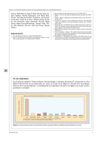
The document corrects a mistake by stating that pimecrolimus, not tacrolimus, is the drug that concentrates in the skin.
 9 citations
,
August 2013 in “Middle East Fertility Society Journal”
9 citations
,
August 2013 in “Middle East Fertility Society Journal” This study found that the hospital-based prevalence of polycystic ovarian syndrome among Omani women of reproductive age was 2.8%, similar to rates reported in other countries.
 120 citations
,
June 2008 in “American Journal of Epidemiology”
120 citations
,
June 2008 in “American Journal of Epidemiology” This study reported a 6.3% prevalence of PCOS among women in a Sri Lankan community, with most cases presenting as oligo/amenorrhea and polycystic ovaries.
3 citations
,
July 2015 in “International Journal of School Health” This study found that in a sample of female adolescents in Shiraz, the most common PCOS phenotype was hyperandrogenic with polycystic ovary syndrome, warranting further investigation due to associated risks.
 12 citations
,
April 2016 in “PLoS ONE”
12 citations
,
April 2016 in “PLoS ONE” This study found that the Chinese version of the Polycystic Ovary Syndrome Quality of Life Questionnaire (Chi-PCOSQ) is sensitive to clinical changes and effectively assesses health-related quality of life in Chinese women with PCOS.
 August 2025 in “Advances in Therapy”
 In this study, the researchers noted that physicians in China prioritize clinical hyperandrogenism when making PCOS treatment decisions, highlighting a need to align clinical practices with guidance recommendations and to clarify the role of biochemical hyperandrogenism in future guidelines.
11 citations
,
May 2018 in “Frontiers in plant science” This study found that overexpressing the PCaP2 protein in Arabidopsis enhanced drought tolerance by influencing ABA and SA signaling pathways and regulating root hair growth, suggesting a key role in water deficit response.
 March 2026 in “Zenodo (CERN European Organization for Nuclear Research)”
 This publication presents a library of precision geometric medicines that reportedly kill harmful bacteria and fungi while sparing beneficial organisms, using a delivery system that targets pathogens specifically and avoids ecological harm.
20 citations
,
September 2022 in “Journal of Biomedical Optics” This article reviews the potential of using PBM in 3D tissue engineering to improve cell viability under stress conditions but reports no new experimental findings.
 2 citations
,
July 2020 in “International Journal for Research in Applied Science and Engineering Technology”
2 citations
,
July 2020 in “International Journal for Research in Applied Science and Engineering Technology” This study found that Pseudomonas DL7 completely degraded 600 mg/L of Sunset Yellow FCF in 48 hours at pH 9, indicating potential for biomineralization of this dye.
 21 citations
,
December 2007 in “Primary Care”
21 citations
,
December 2007 in “Primary Care” This article reviews the challenges in treating PCOS, noting the potential benefits of insulin sensitizers on ovulatory function and pregnancy outcomes, and calls for more long-term studies on metabolic interventions.
February 2017 in “Cancer Research” In this study involving women undergoing taxane-based chemotherapy, a twice-daily topical application of BPM31543 was well-tolerated and showed potential in reducing severe hair loss, prompting further investigation at higher doses.
August 2026 in “Quality in Sport” This review discusses evidence that regular physical activity and tailored dietary interventions improve metabolic health in women with PMOS, advocating for personalized lifestyle management in their care, and reports no new clinical results.
2 citations
,
April 2024 in “Cosmetics” This study investigated non-laser methods for removing permanent makeup using plant extracts, testing their decolorization effects on mice through tattooing and electroporation techniques.
 February 2026 in “Chromatographia”
 This study used advanced chromatographic and mass spectrometric techniques to develop a method for reliably detecting 17 hair growth compounds in consumer products, aiming to enhance regulatory compliance and ensure consumer safety against illicit compounds.
16 citations
,
June 2022 in “Journal of Pediatric Endocrinology and Metabolism” This study found an association between higher phthalate exposure and increased incidence of precocious puberty in girls, suggesting a need to reduce children's exposure to these endocrine disruptors.
November 2024 in “Journal of Investigative Dermatology” Polygenic Score can help predict severe psoriasis and psoriatic arthritis.
 34 citations
,
February 2016 in “Fertility and Sterility”
34 citations
,
February 2016 in “Fertility and Sterility” This study suggests that higher PDCD4 expression may play a significant role in polycystic ovary syndrome pathogenesis through its association with obesity, insulin resistance, lipid metabolism disorders, and increased granulosa cell apoptosis.

The conclusion is that a more comprehensive and precise approach is needed for diagnosing PCOS to address its broader health risks.
 October 2023 in “Benha Journal of Applied Sciences”
 This review evaluates the role of the nuclear receptor PPAR- in skin diseases, highlighting its regulation of inflammation, lipid metabolism, and immune response, and suggests that PPAR-agonists could be promising therapies for conditions like psoriasis and atopic dermatitis.
138 citations
,
August 2020 in “Frontiers in Endocrinology” This review discusses expert consensus on PCOS, emphasizing its impacts and supporting evidence-based treatments, while recommending further research into nutraceutical benefits for managing the condition; it reports no new clinical results.
21 citations
,
October 2023 in “The Journal of Physical Chemistry C” This study used theoretical calculations to show that phosphates strongly bind to cerium dioxide surfaces in various stable configurations, with spectral signatures identifiable in the infrared and Raman spectra, informing future experimental efforts in controlling the enzymatic activity of ceria nanoparticles.

This study suggests that a portable OCT system may be useful for the clinical diagnosis and evaluation of skin diseases and laser treatment outcomes.
1 citations
,
August 2024 in “Journal of Pharmacy & Pharmaceutical Sciences” This study found that forming inclusion complexes of DPCP with HPβCD using the 3D ground mixture method enhances its anti-inflammatory activity at lower doses compared to complexes with β-CD.
8 citations
,
June 2021 in “Frontiers in Medicine” This study reported that the combination of a 308-nm excimer lamp and 10% liquor carbonis detergens significantly improved scalp psoriasis symptoms compared to the excimer lamp alone, with more patients achieving 75% reduction in their Psoriasis Scalp Severity Index.
40 citations
,
September 2024 in “European Journal of Endocrinology” This study found that global PCOS prevalence in adolescents is 6.3% under new 2023 guideline criteria, compared to 9.8% using Rotterdam criteria; excluding PCOM may prevent over-diagnosis, while recognizing irregular cycles or hyperandrogenism helps avoid under-diagnosis by identifying at-risk individuals for further monitoring.