 June 2018 in “The Journal of Sexual Medicine”
 In this study, finasteride was found to significantly reduce DHT levels and affect spermatogenic markers in rats, while DA-9401 co-treatment indicated potential ameliorative effects.
April 2025 in “Journal of Biophotonics” This study found that 808 nm laser photobiomodulation altered mitochondrial respiration and enhanced osteogenic protein expression in human dental pulp stem cells, with the effects being dose-specific and more pronounced at 15 J/cm².
1 citations
,
August 2019 in “Journal of Dentistry Indonesia” This ex vivo study reported that a 645-nm wavelength red-light laser can penetrate and reach cells in the various layers of swine oral mucosa and periosteum tissue samples.
 April 2025 in “International Journal of Molecular Sciences”
 This review highlights the limitations of existing hair loss treatments like minoxidil and finasteride and suggests that future therapies may benefit from focusing on antibody and cell-based treatments, which offer targeted and potentially transformative options for managing hair loss disorders.
1 citations
,
May 2017 in “Journal of Clinical Oncology” This study found that applying BPM 31543 twice daily was safe, well-tolerated, and showed signs of reducing chemotherapy-induced alopecia in women receiving taxane-based chemotherapy.
 16 citations
,
September 2018 in “Journal of Molecular Liquids”
16 citations
,
September 2018 in “Journal of Molecular Liquids” This study investigated a nanostructured system using PS-b-PAA diblock copolymer for incorporating the hydrophobic photosensitizer ClAlPc, finding it effective in causing cellular damage in Caco-2 cells under light while demonstrating no cytotoxicity without light, suggesting its potential use in photodynamic therapy.
September 2023 in “Journal of the American Academy of Dermatology” 14 citations
,
August 2015 in “Endocrinology” This study describes the development of a monoclonal antibody, 005-C04, which blocks PRLR-mediated signaling, suggesting its potential for furthering understanding of PRLR's role in health and disease.
26 citations
,
November 2019 in “Medical Science Monitor” This study found that photobiomodulation via LED light at 630 nm and 810 nm increased proliferation and mineralization in osteoblast-like cells, with comparable effects between the two wavelengths.
November 1968 in “Journal of the American Pharmaceutical Association” July 2024 in “Journal of Investigative Dermatology” A new test helps find drugs to treat head and neck cancer by targeting c-Rel.
March 2005 in “European Urology Supplements” 11 citations
,
January 2022 in “Brazilian Oral Research” This study found that XP-endo Finisher R was approximately twice as effective as passive ultrasonic irrigation in removing root filling material from curved mesiobuccal canals of maxillary molars.
September 2024 in “Journal of the American Academy of Dermatology” ChatGPT-4 can help with allergic contact dermatitis but shouldn't replace expert doctors.
 1 citations
,
October 2025 in “Nano Research”
1 citations
,
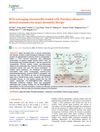
October 2025 in “Nano Research” In this study, researchers developed a dissolvable microneedle patch combining HA-TEMPO and Portulaca oleracea L.-derived nanoparticles, which effectively reduced oxidative stress and inflammation in an atopic dermatitis model while restoring immune balance, suggesting a promising treatment strategy.

This study found that glycerol most significantly influenced the spreadability and initial viscosity of a saw palmetto anti-hair loss cream, while PEG 400 predominantly affected viscosity changes over time.
July 2024 in “Journal of Investigative Dermatology” PH-762 shows promise in treating skin cancer by effectively targeting and silencing PD-1 in tumors with minimal side effects.
8 citations
,
January 2018 in “Journal of Analytical Methods in Chemistry” This study developed a reliable HPLC-UV/Vis method to determine aluminum phthalocyanine chloride in skin, supporting its use in skin permeation studies for photodynamic therapy of cutaneous tumors.
December 2022 in “IntechOpen eBooks” This source evaluates the clinical effectiveness of 308 nm monochromatic excimer phototherapy in treating moderate-to-severe alopecia areata, noting that both laser and lamp methods show promise without significant risks.
513 citations
,
February 2022 in “Advanced Science” This study demonstrated that incorporating PDA@Ag nanoparticles into a cationic guar gum hydrogel significantly enhanced photothermal conversion efficiency, achieving superior antibacterial efficacy both in vitro and in vivo, advancing the potential of PDA as a photothermal antibacterial agent.
 5 citations
,
January 2018
5 citations
,
January 2018 This study optimized a screening assay to identify molecules that inhibit or enhance TRPM5 ion channel activity, which may have implications for treating dysfunctions linked to cardiac arrhythmias and diabetes.
 2 citations
,
October 2004 in “Organic Process Research & Development”
2 citations
,
October 2004 in “Organic Process Research & Development” This review discusses U.S. patents in organic process development published in July and August 2004 and reports no new experimental results.
October 2020 in “The American journal of gastroenterology” This case study reports a previously undescribed cause of drug-induced autoimmune hepatitis triggered by para-aminobenzoic acid (PABA), emphasizing the need for caution with this supplement.
April 2026 in “Future Medicinal Chemistry” This article discusses the impact of PROTACs technology in transforming drug discovery with its novel degradation mechanism, but it reports no new experimental findings.
This study found that PLX, a mixture of tomato extract and chitooligosaccharide, may reduce prostate weight in testosterone-induced BPH in rats, suggesting it could act as a 5α-reductase inhibitor.
 16 citations
,
May 2000 in “Endocrinology”
16 citations
,
May 2000 in “Endocrinology” This study identified a new gene, mrp4, in mice, which suggests it may have a unique role in the growth and development of hair follicles in the ears and tails.
 1 citations
,
March 2023 in “Science Translational Medicine”
1 citations
,
March 2023 in “Science Translational Medicine” The researchers reported that targeting glycoprotein 130's signaling site in animal models promoted tissue regeneration and reduced osteoarthritis progression through anti-inflammatory and protective effects.
6 citations
,
June 2025 in “Nano Biomedicine and Engineering” This source reports on advances in stimulus-responsive nanoparticle-based PROTACs (nano-PROTACs), which aim to overcome existing challenges like poor cell permeability and systemic off-target effects by enabling controlled protein degradation through endogenous or exogenous stimuli, potentially enhancing therapeutic efficacy and reducing toxicity.
March 2010 in “European Urology Supplements” September 2019 in “The journal of investigative dermatology/Journal of investigative dermatology” This study found that the PPARγ modulator NAC-GED-0507-Levo may protect hair follicles from chemotherapy-induced damage, potentially offering a strategy to address irreversible hair loss in cancer patients.