This review discusses the cutaneous symptoms associated with various endocrine disorders and outlines treatment approaches but reports no new research findings.
 9 citations
,
January 2008 in “Medical mycology”
9 citations
,
January 2008 in “Medical mycology” In this study, ketoconazole treatment successfully cured a dog with erythematous epilation caused by Chaetomium globosum, with new hair growth observed 9 weeks later.
April 2016 in “Journal of the American Academy of Dermatology” Treatment improved some symptoms but not all.
28 citations
,
January 1999 in “Dermatology” This case report describes a dermatophytic granuloma caused by Microsporum canis in a heart-lung transplant recipient, emphasizing the need for systemic antifungal treatment in such deep infections.
 2 citations
,
December 2022 in “Journal of toxicologic pathology”
2 citations
,
December 2022 in “Journal of toxicologic pathology” This review outlines the histological structures of the skin, highlighting species and regional differences in dermal absorption and obstacles encountered in toxicological assessments due to epidermal thickness variability, contact dermatitis reactions, and stem cell vulnerabilities.
 March 2024 in “Jurnal Ilmu Kesehatan Hewan”
 In this case report, treatment involving anthelmintic pyrantel pamoate and antiparasitic sarolaner effectively reduced pruritus and physical symptoms of scabiosis and ancylostomyosis in a puppy, with notable improvements observed by day 14.
9 citations
,
January 2015 in “Veterinary record case reports” This study reports the first successful treatment of a dog infected with Mycobacterium avium subspecies hominissuis using antibiotics, with no zoonotic transmission observed.
 4 citations
,
May 2008 in “Clinics in Dermatology”
4 citations
,
May 2008 in “Clinics in Dermatology” Skin problems can indicate different diseases inside the body.
September 2012 in “The Thai journal of veterinary medicine” In this case study, apitoxin aquapuncture combined with herbal medicine was reported to have a favorable therapeutic effect in treating canine superficial pyoderma.
14 citations
,
October 2001 in “British Journal of Ophthalmology” This case report suggests a successful outcome with intralesional cidofovir for SCC, although surgical excision remains the preferred treatment.
 13 citations
,
June 2020 in “International Journal of Dermatology”
13 citations
,
June 2020 in “International Journal of Dermatology” This review discusses erosive pustular dermatosis of the scalp, highlighting its wide variety of causes and multiple effective treatment options beyond high-potency topical steroids, and reports no new clinical results.
14 citations
,
August 2013 in “Journal of Parasitology” This study reported that 39.7% of Amargosa voles had mite-associated lesions, which may severely impact their health and fitness.
May 2022 in “Голова и шея.” This report describes a case of a patient with metastatic renal cell carcinoma who developed a psoriasiform skin lesion while undergoing immune checkpoint inhibitor therapy.
 August 2022 in “Turkish journal of veterinary research”
 This study found that dogs with clinical demodicosis experienced oxidative stress, indicated by higher MDA (a marker of oxidation) and lower antioxidant levels, compared to control and post-treatment groups.
 January 2024 in “International journal of advanced biochemistry research”
 This study observed eight dogs with severe itching, hair loss, and skin lesions that had not responded to previous treatments. After treating the dogs with fluralaner, antibiotics, immune boosters, and omega supplements, partial recovery was seen in one month, with full recovery in two months.
 9 citations
,
July 2002 in “Journal of the European Academy of Dermatology and Venereology”
9 citations
,
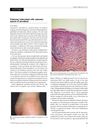
July 2002 in “Journal of the European Academy of Dermatology and Venereology” This article discusses multiple minute digitate hyperkeratosis in a dermatological context and reports no new clinical findings; the authors focus on a descriptive review.
 January 2016 in “SpringerBriefs in bioengineering”
 This article discusses the structure and function of the skin's epidermis, detailing its role as a protective barrier and nutrient exchange system, without presenting new research findings.
October 2023 in “Veterinary Science and Medicine Journal” In this case report, a 2-year-old cat with bilateral otitis externa and scabiosis was treated with a combination of antiparasitic, antibiotic, antifungal, and anti-inflammatory medications, leading to significant clinical improvement after 10 days.
 33 citations
,
August 2006 in “Journal der Deutschen Dermatologischen Gesellschaft”
33 citations
,
August 2006 in “Journal der Deutschen Dermatologischen Gesellschaft” Pregnancy can cause specific skin conditions that need correct diagnosis and treatment to protect both mother and baby.
 31 citations
,
July 2017 in “Journal of the American Academy of Dermatology”
31 citations
,
July 2017 in “Journal of the American Academy of Dermatology” This study observed that apremilast treatment improved skin lesions and reduced pruritus in patients with chronic, severe atopic dermatitis and one case of hand and foot dermatitis.
22 citations
,
January 2020 in “Veterinary dermatology” This review discusses the unique characteristics and taxonomy of Malassezia yeasts and examines current diagnostic and therapeutic approaches in veterinary medicine; it reports no new clinical findings.
March 2019 in “eCommons (Cornell University)” This report covers the diagnosis and treatment of equine pemphigus foliaceus presented by a case study of a Hackney pony mare, showing improvement with prednisolone treatment.
 January 2023 in “Open journal of pediatrics”
 In this case report, a 7-month-old girl with suspected acrodermatitis enteropathica and severe dermatitis experienced a tragic outcome despite zinc treatment, highlighting the challenges of diagnosing and managing this rare genetic disorder.
12 citations
,
September 2012 in “Pediatric Dermatology” This case report describes a 5-year-old boy with extensive epidermal nevus who experienced marked improvement using a topical calcipotriol/betamethasone dipropionate combination ointment.
11 citations
,
May 2009 in “Clinical and Experimental Dermatology” This case report describes a 12-year-old girl's persistent and worsening scalp condition, ultimately diagnosed as pityriasis amiantacea secondary to localized Darier's disease, after numerous ineffective treatments.
23 citations
,
January 2016 in “Clinical & Biomedical Research” This review covers the epidemiology, causes, prevention, treatment, and prognosis of dermatophytoses and reports no new clinical results.
January 2007 in “Bristol Research (University of Bristol)” This study diagnosed epidermolysis bullosa in eight calves across four UK farms, characterized by skin lesions and excluding mutations in keratin genes as the cause.
1 citations
,
September 2022 in “European Journal of Dermatology” This study identified a novel splice-site variant of the LAMB3 gene that may cause junctional epidermolysis bullosa, suggesting gene sequencing is essential for accurate diagnosis.
 May 2019 in “Small Animal Dermatology”
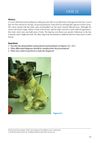
 This chapter discusses a case of sebaceous adenitis in a Japanese Akita, providing educational material for students and practitioners but reports no new research findings.
16 citations
,
April 2000 in “Contact dermatitis” In this report, a 19-year-old Japanese man experienced severe and prolonged urticarial reactions following treatment with diphenylcyclopropenone for alopecia universalis, emphasizing the need for caution with potent sensitizers.