9 citations
,
December 2022 in “Genes” This study conducted a genome-wide analysis in Tianzhu white yaks, identifying differential genes associated with hair growth between long-haired and normal-haired individuals.
 2 citations
,
March 2016 in “The Journal of Dermatology”
2 citations
,
March 2016 in “The Journal of Dermatology” The researchers reported that the facial Psoriasis Log-based Area and Severity Index (fPLASI) more reliably and sensitively captured clinical improvement in facial psoriasis than the existing facial Psoriasis Area and Severity Index (fPASI).
54 citations
,
October 2007 in “The FASEB Journal” This study suggests that hairlessness in nude mice may be due to insufficient expression of phospholipase C-δ1, a molecule essential for normal hair development downstream of the Foxn1 gene.
 February 2023 in “Journal of dermatology”
 This letter reports the first known Japanese case of autosomal recessive woolly hair/hypotrichosis with compound heterozygous mutations in the LIPH gene.
 2 citations
,
May 2021 in “Clinical Pharmacology in Drug Development”
2 citations
,
May 2021 in “Clinical Pharmacology in Drug Development” This phase 1 study reported that after administering supratherapeutic doses of cortexolone 17α‐propionate, a topical antiandrogen intended for hair loss treatment, there was no effect on the QTc interval, indicating no measurable cardiac safety concerns in the concentration range tested.
July 2024 in “Journal of Investigative Dermatology” PP405 may help hair growth by activating hair follicle stem cells.
 291 citations
,
January 2014 in “The Scientific World Journal”
291 citations
,
January 2014 in “The Scientific World Journal” Lichen Planus is a less common condition affecting skin and mucous membranes, with various types and associated risk factors, challenging to diagnose, significantly impacts life quality, and may have a risk of cancerous changes in oral lesions.
6 citations
,
December 2021 in “Journal of Clinical Medicine” This study introduced the Lichen Planus Activity and Damage Index (LiPADI), which effectively assesses the severity and progression of lichen planus, aligning well with other clinical indicators.
7 citations
,
March 2023 in “Journal of Investigative Dermatology” Low-intensity ultrasound may help protect hair follicles from chemotherapy-induced hair loss.
1 citations
,
February 2025 in “Journal of Dairy Science” In this study, researchers found that the SLICK1 allele in cattle may alter local immune regulation, hair growth, and tissue remodeling, as indicated by differential gene expression pathways associated with immune and inflammatory responses in slick vs. nonslick Holsteins.
 32 citations
,
January 2008 in “Journal of Microencapsulation”
32 citations
,
January 2008 in “Journal of Microencapsulation” In this study, nanocapsule-based preparations containing hinokitiol promoted hair growth in mice comparably to Minoxidil solution, as indicated by photographic and histological analysis.
1 citations
,
March 2024 in “PubMed” This case report observed that resection of a lesion using a carbon-dioxide laser in a Labrador retriever with lingual hair heterotopia led to positive outcomes, although hair partially regrew.
 March 2024 in “Cytologia”
 In this study, researchers observed that melatonin-mediated LncRNA MTC in Liaoning cashmere goat skin fibroblasts enhances cell proliferation by interacting with the GSTM1 protein, affecting its complex formation with ASK1 and thereby inhibiting apoptosis, which may be relevant for improving cashmere growth.
 5 citations
,
January 2018
5 citations
,
January 2018 This study optimized a screening assay to identify molecules that inhibit or enhance TRPM5 ion channel activity, which may have implications for treating dysfunctions linked to cardiac arrhythmias and diabetes.
3 citations
,
December 2024 in “Journal of Animal Science” In this study, researchers identified the lncRNA MSTRG.14227.1 in cashmere goats and found it inhibits the morphogenesis of secondary hair follicles by interacting with the chi-miR-433/ADAMTS3 signaling axis, affecting cashmere yield and quality.
433 citations
,
April 2015 in “Photomedicine and laser surgery” This editorial discusses the terminology and distinctions between Low-Level Light/Laser Therapy and Photobiomodulation Therapy but reports no new clinical findings.
130 citations
,
January 2000 in “Nature biotechnology” October 2019 in “Al Mustansiriyah Journal of Pharmaceutical Sciences” This study found that the CTLA-4 gene polymorphism (rs733618) has no association with polycystic ovarian syndrome in the studied population.
18 citations
,
February 2021 in “Archives of Dermatological Research” This study found that Physcion from Polygonum multiflorum may be an effective natural 5α-reductase inhibitor for treating androgenic alopecia by enhancing hair growth and improving follicle morphology in laboratory settings.
 June 2022 in “Scientific Reports”
 This study found that prevelex coatings on microwell array devices enhanced the formation of uniform cell spheroids and enabled the development of hair follicles in tissue engineering applications.
2 citations
,
June 2016 in “Oral Surgery Oral Medicine Oral Pathology and Oral Radiology” This study reports the first known case of oral lichen planus preceding lichen planopilaris in a patient, highlighting a possible sequential relationship between the conditions.
23 citations
,
April 2010 in “Comparative Biochemistry and Physiology Part C Toxicology & Pharmacology” This study found that exposure to sex steroid biosynthesis inhibitors increases the expression of piRNA pathway genes in frog larvae, suggesting these genes play a role in gonadal sex differentiation.
 April 2013 in “The Journal of Urology”
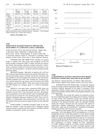
 Researchers created a simple tool to predict bladder blockage from prostate enlargement using urine flow rate and prostate volume.
18 citations
,
January 2018 in “BMC dermatology” This paper describes a case of epidermolysis bullosa simplex with muscular dystrophy associated with a novel PLEC mutation and diffuse alopecia, highlighting a potential genetic link that remains uncertain.
26 citations
,
December 1999 in “Journal of Investigative Dermatology” This study found that manipulating prolactin levels in New Zealand Wiltshire sheep induces wool follicle growth cycles, revealing gene expression changes that suggest roles for specific genes in follicle function.
 September 2016 in “Journal of Dermatological Science”
 This study identified that in Japanese patients with autosomal recessive woolly hair/hypotrichosis, the c.736T > A LIPH mutation is associated with a mild phenotype, while the c.742C > A mutation may lead to severe baldness.
 1 citations
,
April 2009 in “The Proceedings of the International Plant Nutrition Colloquium XVI”
1 citations
,
April 2009 in “The Proceedings of the International Plant Nutrition Colloquium XVI” This study found that phosphorus and nitrogen deprivation increased root hair length in Brassica carinata and induced the expression of certain P-responsive genes, such as LRR and PRP.
July 2025 in “Carbohydrate Polymers” This study investigated the extracellular polysaccharides from the edible green alga Parachlorella sp. BX1.5, finding that they have potential applications in cosmetics and health products due to their stability, antioxidant properties, and effects on hair growth in mice.
19 citations
,
August 2018 in “Journal of the American Academy of Dermatology” In this study, the researchers found that the picosecond pulsed alexandrite laser (PSAL) may be as effective and safe as the Q-switched alexandrite laser (QSAL) for treating freckles in Chinese patients.
 March 2025 in “Frontiers in Plant Science”
 This study highlights the ZmNF-YC1-ZmAPRG pathway as a potential mechanism to improve maize tolerance to phosphorus deficiency, emphasizing its role in modulating lipid and photosynthetic activity, although direct impacts on root adaptations remain unclear (Bai et al., 2024).