In this review, researchers highlighted the use of essential oils, praised for their antimicrobial and anti-inflammatory effects, in treating a variety of conditions, and noted their emerging role in dermocosmetics for issues like hyperpigmentation, acne, and skin aging.
 70 citations
,
February 2019 in “The journal of immunology/The Journal of immunology”
70 citations
,
February 2019 in “The journal of immunology/The Journal of immunology” This study found that short-chain fatty acids produced by the skin microbe Propionibacterium acnes may drive inflammatory gene expression in sebocytes, potentially contributing to acne.
15 citations
,
January 2010 in “Recent patents on food, nutrition & agriculture” This study discusses clinically relevant interactions between anticancer drugs and herbal medicines used by cancer patients, highlighting potential herb-drug interactions and emphasizing the need for careful monitoring to minimize risks.
 1 citations
,
January 2016 in “Springer briefs in molecular science”
1 citations
,
January 2016 in “Springer briefs in molecular science” This chapter reviews plant-based ingredients for hair oils that may improve hair health by increasing scalp blood circulation and providing external nutrients, but it reports no new results.
66 citations
,
January 2008 in “Pharmacology Biochemistry and Behavior” AC-5216 reduces anxiety in mice through neurosteroids affecting GABAA receptors.
 1 citations
,
July 2023 in “Horticulture research”
1 citations
,
July 2023 in “Horticulture research” In this review, the authors explored how epigenetic regulation influences the development of plant trichomes, highlighting the significant role of microRNA-mediated post-transcriptional regulation and suggesting new research avenues in plant epigenetics.
April 2023 in “Zenodo (CERN European Organization for Nuclear Research)” This review explores the medicinal potential of gymnosperm plants, such as Platycladus orientalis, Araucaria heterophylla, Cycas revoluta, Thuja occidentalis, and Juniperus virginiana, highlighting their therapeutic significance across various medical practices, including contemporary, folk, and traditional medicine.
2 citations
,
September 2018 in “Walailak Journal of Science and Technology (WJST)” This study found that Thuja orientalis fruits have higher monoterpene, flavonoid, phenolic content, and antioxidant activity than leaves, suggesting potential value for the pharmaceutical industry.
 5 citations
,
August 2018
5 citations
,
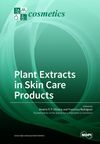
August 2018 This paper highlights the growing scientific interest in plant extracts for cosmetics due to their potential benefits, including antioxidant, antimicrobial, and protective properties, while emphasizing the need for quality and safety assessment to mitigate possible adverse reactions.
 February 2020 in “Definitions”
 This article discusses a proprietary botanical lotion with potential to reverse chemotherapy-induced alopecia, restore hair cycles, and improve patient wellbeing; however, it reports no new clinical results.
7 citations
,
April 2015 in “Journal of biological chemistry/The Journal of biological chemistry” This study reports the development of a novel protocol to purify human TRPV3 ion channels, revealing functional properties and differences in ligand interactions, enabling further structural and functional research.
 August 2026 in “Zenodo (CERN European Organization for Nuclear Research)”
 The researchers reported that a coconut oil-based polyherbal hair oil developed using traditional medicinal plants demonstrated satisfactory physicochemical properties, including stability and pH suitability for scalp application, though further biological evaluation is needed to confirm therapeutic effects.
July 2021 in “Faculty of 1000 Research Ltd” This review discusses the potential of phytochemicals from plants as alternative treatments for prostate cancer, highlighting their possible benefits over current 5-alpha-Reductase inhibitors, but reports no new findings.

This chapter reports that essential oil-based therapy, or aromatherapy, poses potential benefits for managing various disorders, such as pain, psychological issues, and skin conditions, although toxicity risks necessitate careful use under professional supervision.
15 citations
,
March 2023 in “Heliyon” This study found that water-soluble beehive extract exhibited anxiolytic, antidepressant, and anti-inflammatory effects in animal models.
 January 2025 in “International Journal of Biological Innovations”
 This review article discusses the potential benefits of phytochemicals in hair care, highlighting their ability to improve scalp health, reduce dandruff, and promote hair growth, while emphasizing their safety and minimal side effects compared to conventional therapies.
18 citations
,
February 2021 in “Archives of Dermatological Research” This study found that Physcion from Polygonum multiflorum may be an effective natural 5α-reductase inhibitor for treating androgenic alopecia by enhancing hair growth and improving follicle morphology in laboratory settings.
 2 citations
,
December 1983 in “Outlook on Agriculture”
2 citations
,
December 1983 in “Outlook on Agriculture” This review discusses the use of growth substances in agriculture and horticulture and suggests their potential applications in farming, plant breeding, and environmental protection, but reports no new results.
 January 2025 in “International Journal of Zoological Investigations”
 In laboratory tests, this study found that aqueous extracts of Myristica fragrans showed significant membrane stabilization, suggesting its potential as an anti-inflammatory agent, though further research is needed to confirm its pharmacological application.
This study evaluated 32 marker compounds from natural herbal extracts and found that four of them, honokiol, isoalantolactone, broussochalcone A, and 3-deoxysappanone B, can induce hair growth, suggesting a potential natural treatment for hair loss.
 5 citations
,
January 2021 in “Journal of Saudi Chemical Society”
5 citations
,
January 2021 in “Journal of Saudi Chemical Society” This study analyzed watercress oil and confirmed its phytochemical profile, UV absorption properties, and potential efficacy for hair growth, supporting traditional hot oil applications.
 3 citations
,
January 2016 in “Chemical sciences journal”
3 citations
,
January 2016 in “Chemical sciences journal” This study found that ethanol and petroleum ether extracts of Tridax procumbens roots demonstrated significant antibacterial activity against various bacterial strains compared to benzene extracts.
 April 2026 in “Journal of Microbiology Biotechnology and Food Sciences”
 This study found that Carthamus caeruleus (L.) leaf extracts possess higher antioxidant and antibacterial activities compared to rhizome extracts, and are rich in phenolic and flavonoid compounds, suggesting potential use as a natural therapeutic agent.
 3 citations
,
April 2018 in “Holzforschung”
3 citations
,
April 2018 in “Holzforschung” This study identified seven compounds from Cercidiphyllum japonicum twig extracts, including a newly discovered flavonoid, marking the first time these specific compounds have been isolated from this genus.
 7 citations
,
April 2009 in “Bioorganic & Medicinal Chemistry Letters”
7 citations
,
April 2009 in “Bioorganic & Medicinal Chemistry Letters” Diphenyl ethers can potentially reduce excess oil production when applied on the skin, helping treat conditions like acne.
 January 2025 in “International Journal for Research Trends and Innovation”
 This study assessed a herbal hair oil made from various plant ingredients, observing it supported hair growth and maintained stability for 45 days, with the phytochemical profile indicating the presence of saponins, sulfur, and ascorbic acid.
 June 2021 in “CRC Press eBooks”
 This source summarizes current and potential phytocosmetics for hair care, noting their fewer side effects compared to synthetic agents, but emphasizes the need for research on their development to align with consumer preferences.
 December 2022 in “International Journal of Advanced Research in Science Communication and Technology”
 This review highlights that while traditional cancer treatments like chemotherapy and radiation therapy come with significant side effects, plant-based medicines offer promising anticancer properties with fewer adverse effects, as endorsed by the World Health Organization.
 2 citations
,
January 2023 in “Pharmaceuticals”
2 citations
,
January 2023 in “Pharmaceuticals” This review discusses factors affecting hair health, types of alopecia, and the potential of phytochemicals in managing hair loss but reports no new clinical results; it highlights the need for further studies.
61 citations
,
September 2011 in “Pain” This study observed that N-palmitoylethanolamine (PEA) may relieve pain by enhancing de novo neurosteroid synthesis, evidenced by increased allopregnanolone levels and protein expression in pain models, dependent on PPAR-α.