5 citations
,
December 2018 in “Frontiers in Endocrinology” This study found that nuclear androgen receptor expression was enhanced by dihydrotestosterone in rat gubernacular mesenchyme, but this did not affect muscle morphology or matrix composition during fetal development.
 4 citations
,
January 2018 in “Elsevier eBooks”
4 citations
,
January 2018 in “Elsevier eBooks” This chapter discusses the sources, classifications, and effects of hormones, their role in disease treatment and food security, and reports no new results.
 28 citations
,
May 2015 in “Addiction Biology”
28 citations
,
May 2015 in “Addiction Biology” This study found that early life stress significantly affects hedonic sensitivity to high-palatable food by altering gonadal hormones in prenatally-stressed male and female rats, with sex-dependent changes in reward-related behaviors and neurochemistry.
 1 citations
,
March 2012 in “Journal of Dermatological Science”
1 citations
,
March 2012 in “Journal of Dermatological Science” This study found that various steroids affected the mRNA expression of enzymes involved in lipid metabolism in hamster flank organs, with different impacts depending on the steroid and combination used.
 1 citations
,
October 2022 in “International journal of endocrinology”
1 citations
,
October 2022 in “International journal of endocrinology” This study found that dihydrotestosterone treatment in female rats altered anterior pituitary gland gene expression, with significant repression of prolactin and inhibition of GnRH receptor gene expression, suggesting specific hormone production changes.
37 citations
,
February 2010 in “Psychoneuroendocrinology” This study found that nuclear androgen receptors are not necessary for androgen self-administration, suggesting that plasma membrane receptors might be involved.
10 citations
,
January 2017 in “The World Allergy Organization journal” This article collection reviews the significant influence of gender and sexual hormones on allergies and asthma, noting more severe symptoms in females and the role of estrogen.
37 citations
,
December 2003 in “Reproductive Toxicology” The researchers reported that the rat Hershberger assay reliably detected endocrine-disrupting effects of finasteride, procymidone, and 17α-methyltestosterone, validating the assay's sensitivity for identifying hormonal activity.
89 citations
,
August 2013 in “PloS one” This study used the "ARE-Luc" mouse model to visualize androgen receptor activity across various tissues in both male and female mice, highlighting the direct action of androgens outside reproductive organs.
34 citations
,
August 2015 in “Frontiers in Behavioral Neuroscience” This study found that augmenting or reducing allopregnanolone activity in the BNST affected contextual fear expression in rats, suggesting sex differences in anxiety may be linked to neuroactive steroid regulation.
 25 citations
,
June 2014 in “Journal of Endocrinology/Journal of endocrinology”
25 citations
,
June 2014 in “Journal of Endocrinology/Journal of endocrinology” This study found that local androgen biosynthesis and metabolism in human sebaceous glands play a crucial role in sebum synthesis and secretion.
 November 2023 in “Journal of animal science/Journal of animal science ... and ASAS reference compendium”
 This study investigated differences in gene expression in the mammary glands of SLICK and wild-type Holstein cattle, finding limited differences overall but identifying enriched pathways related to arachidonic acid metabolism and oxytocin production, which merit further exploration.
5 citations
,
January 1983 in “PubMed” This study determined that in axillary hair of mature males and females, free androgen steroids are primarily produced by sebaceous glands, while C19-steroid sulphates are products of sweat glands.
3 citations
,
January 2022 in “Journal of neuroendocrinology” This study found that Arc/Arg3.1 expression in hippocampal neurons is regulated by sex steroids in a sex-dependent manner, with E2 increasing expression in females and DHT in males.
 June 2021 in “Research Square (Research Square)”
 This study reports that melatonin influences gene expression related to cashmere growth cycles in Inner Mongolian cashmere goats, potentially aiding in understanding and enhancing cashmere yield through molecular regulation.
 1 citations
,
April 2020 in “bioRxiv (Cold Spring Harbor Laboratory)”
1 citations
,
April 2020 in “bioRxiv (Cold Spring Harbor Laboratory)” This study suggests that seasonal rhythm genes in cashmere goat skin are differentially expressed with changing daylight, potentially affecting hormone transformation and light sensitivity.
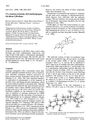 December 1998 in “Acta Crystallographica Section C-crystal Structure Communications”
 This study describes the molecular conformation and intermolecular interactions in the crystalline structure of the compound C24H31BrO4.
 5 citations
,
January 2005 in “Journal of Enzyme Inhibition and Medicinal Chemistry”
5 citations
,
January 2005 in “Journal of Enzyme Inhibition and Medicinal Chemistry” This study found that certain steroidal compounds, especially 10a–10c, demonstrated strong antiandrogenic activity by binding to the androgen receptor and reducing prostate weight in a hamster model.
 September 2021 in “European Neuropsychopharmacology”
 This study found that higher dihydrotestosterone (DHT) levels in the parietal region of the scalp may be linked to androgenetic alopecia's clinical presentation.
21 citations
,
April 2016 in “International Journal of Oncology” This study found that treatment with the GnRH agonist Triptorelin significantly decreased invasion and expression of S100A4 and CYR61 in certain breast cancer cells, suggesting a potential role in slowing cancer progression.
 January 1994 in “JAPANESE JOURNAL OF CLINICAL PHARMACOLOGY AND THERAPEUTICS”
 Testosterone and fleece-flower root affect mouse hair growth.
 193 citations
,
February 2015 in “Nature Communications”
193 citations
,
February 2015 in “Nature Communications” Fungi-produced compounds can change plant root growth.
January 2025 in “Directory of Open access Books (OAPEN Foundation)” This study reviews the roles of sex steroid hormones, like estrogens, progestins, and testosterone, in influencing reproductive health and overall well-being, highlighting their impact on conditions such as polycystic ovary syndrome and hypogonadism through their regulation by the hypothalamic-pituitary-gonadal axis.
 22 citations
,
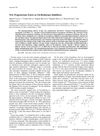
January 2001 in “Chemical & Pharmaceutical Bulletin”
22 citations
,
January 2001 in “Chemical & Pharmaceutical Bulletin” This study found that two new progesterone derivatives showed higher antiandrogenic effects and 5α-reductase inhibition than finasteride in hamsters, particularly reducing seminal vesicle weight and flank organ size.
January 2016 in “Xumu Shouyi Xuebao” 1 citations
,
November 2023 in “Endocrine Connections” This study developed a validated gas chromatography–tandem mass spectrometry assay to assess sex steroid hormones in cerebrospinal fluid, finding substantial levels of DHEA, androstenedione, and testosterone, with strong correlations to serum levels, providing insight into sex steroid dynamics in the human CNS.
 3 citations
,
July 2018 in “International Journal of Research -GRANTHAALAYAH”
3 citations
,
July 2018 in “International Journal of Research -GRANTHAALAYAH” This paper compiles previously observed similarities in biomagnetic fields emitted by human hair and mouse vibrissa follicles, with findings supporting distinctive patterns of biomagnetic activity skewed to one side.
7 citations
,
April 2023 in “Biomedicines” This study found that sex hormones, specifically non-aromatizable androgens like DHT and A/T, significantly increase inflammatory cytokine expression in human adipocytes when stimulated by LPS.
 August 2019 in “Journal of archaeological science: Reports/Journal of archaeological science: reports”
 This study demonstrated that cortisol, estradiol, and testosterone are preserved in archaeological human hair, allowing for the analysis of ancient stress and reproductive hormone patterns.
 2 citations
,
November 2012 in “InTech eBooks”
2 citations
,
November 2012 in “InTech eBooks” The document concludes that sex hormones are crucial for mammalian reproduction, health, and behavior, and require more research for therapeutic use.