62 citations
,
December 1941 in “Experimental biology and medicine” In this study, phenylthiocarbamide intake was associated with hair graying in rats, while switching to tap water led some rats to regain their original fur color, suggesting dietary factors influence pigmentation.
 January 2006 in “Carl von Ossiezky University of Oldenburg”
 This study observed that unpigmented keratinocytes saturate quickly with foreign substance uptake compared to pigmented melanocytes, where melanin significantly enhances binding.
 January 2024 in “Current research in toxicology”
 This review reports that thallium poisoning causes severe neurological damage, with early gastrointestinal symptoms and later neurological dysfunction, and highlights the importance of early diagnosis and Prussian blue as an effective antidote.
5 citations
,
March 2008 in “DMW - Deutsche Medizinische Wochenschrift” This case report observed that despite treatment with Berlin blue and forced diuresis for thallium poisoning, a 42-year-old man experienced lasting distal polyneuropathy symptoms six months post-hospital discharge.
January 2023 in “Indian Journal of Forensic and Community Medicine” This report describes two cases of thallium poisoning with gastrointestinal symptoms, peripheral neuropathy, and alopecia, which were effectively treated using activated charcoal, potassium chloride, and hemodialysis.
 96 citations
,
June 2017 in “Nature Communications”
96 citations
,
June 2017 in “Nature Communications” This study identified WNT10A as crucial for adult epithelial cell proliferation and differentiation, suggesting β-catenin pathway activation may help address regenerative defects in WNT10A mutation patients.
 January 1990 in “Springer eBooks”
 Some chemicals can permanently or temporarily remove color from skin and hair, which can be distressing and is not well-regulated in cosmetics.
20 citations
,
February 1994 in “American Journal of Ophthalmology” This case study reports a 44-year-old man with criminal sublethal thallium poisoning who demonstrated diminished contrast sensitivity, a tritan color vision defect, and a relative cecocentral scotoma leading to optic atrophy.
 22 citations
,
March 1932 in “Journal of the American Medical Association”
22 citations
,
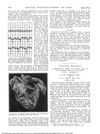
March 1932 in “Journal of the American Medical Association” This report describes eleven cases of thallium poisoning in individuals who consumed tortillas made from barley mixed with thallium sulphate, leading to symptoms including tingling, abdominal pain, vomiting, and limb weakness.
 June 2026 in “The Russian Archives of Internal Medicine”
 This case report detailed a 38-year-old woman with thallium intoxication, who initially presented with polyneuropathy and alopecia. The diagnosis was confirmed by toxicology, and treatment with potassium hexacyanoferrate led to full recovery, underscoring the importance of early diagnosis and treatment in toxic polyneuropathies.
 14 citations
,
June 1952 in “The BMJ”
14 citations
,
June 1952 in “The BMJ” Phenobarbitone can cause severe and sometimes fatal skin reactions.
27 citations
,
January 2017 in “Journal of clinical and diagnostic research” This case report details a 23-year-old woman who was poisoned with thallium by a colleague and treated with activated charcoal and Prussian blue.
 5 citations
,
January 2018
5 citations
,
January 2018 This study optimized a screening assay to identify molecules that inhibit or enhance TRPM5 ion channel activity, which may have implications for treating dysfunctions linked to cardiac arrhythmias and diabetes.
July 2023 in “Indian Journal of Endocrinology and Metabolism” This case study reports that carbimazole therapy led to significant hair regrowth and a drop in thyrotropin receptor antibody levels in an 11-year-old girl diagnosed with alopecia areata and Graves' disease.
December 1951 in “Journal of the American Medical Association” This article reports a case of hair loss and pigmentation changes in a man after using propylthiouracil alongside iodine solution for thyroid and diabetic conditions, providing clinical observations without broader conclusions.
 119 citations
,
June 1993 in “BMJ”
119 citations
,
June 1993 in “BMJ” This article discusses the high toxicity and potential use of thallium as a poison, highlighted by two cases of intentional thallium poisoning.
60 citations
,
February 2003 in “Postgraduate Medical Journal” In this report, it was noted that severe paresthesia, ophthalmoplegia, cerebellar and extrapyramidal signs, and alopecia can strongly indicate thallium poisoning, and haemodialysis may be beneficial even in the third week after poisoning.
June 2007 in “Emergency medicine news” This article discusses the symptoms, diagnosis, and treatment of thallium poisoning, with no new clinical results reported; the authors emphasize the importance of early suspicion for effective intervention.
January 2010 in “Guoji yaoxue yanjiu zazhi” This review discusses thallium poisoning, its mechanisms, clinical symptoms, and treatment approaches, highlighting hemoperfusion as an effective method to eliminate absorbed thallium, though no new clinical results are presented.
45 citations
,
February 2011 in “IOP Conference Series Materials Science and Engineering” This study developed a sensor that effectively measures Tl+ cation in solutions with a wide dynamic range and low detection limit, responding linearly within the concentration range 1.0 × 10⁻⁸ to 1.0 × 10⁻¹M.
 May 2024 in “Journal of molecular structure”
 This study found that a novel thiohydantoin derivative, 3a, effectively inhibited androgen receptor activity in LNCaP cells and showed promising in vivo results by reducing testosterone-induced prostate changes, outperforming finasteride in mitigating prostate index and histopathological alterations.
13 citations
,
October 2016 in “Journal of Clinical Neuroscience” In this case study, divisional thallium intoxication in an adolescent led to progressive optic and peripheral neuropathy, with neurological deterioration occurring more rapidly after a second ingestion.
 4 citations
,
March 2018 in “Journal of labelled compounds & radiopharmaceuticals”
4 citations
,
March 2018 in “Journal of labelled compounds & radiopharmaceuticals” In this study, researchers developed a new prostate cancer imaging agent, a [99m Tc]tricarbonyl complex derived from finasteride, which demonstrated high radiochemical purity and significant uptake in the prostate of a rat model, suggesting its potential for noninvasive prostate cancer imaging.
12 citations
,
January 2011 in “Journal of the Saudi Society of Dermatology & Dermatologic Surgery” This study documented an outbreak of thallium poisoning in Iraq, highlighting its dermatological, neurological, and psychological signs, which are crucial for accurate diagnosis.
 20 citations
,
June 2022 in “Molecules”
20 citations
,
June 2022 in “Molecules” This review discusses three classes of thiazole-bearing compounds in drug development and presents preclinical findings but reports no new experimental results, highlighting the need for further drug discovery.
1 citations
,
April 2002 in “PubMed” This case report documents a young woman who experienced a visual field defect similar to those linked to vigabatrin use, despite treatment only with valproic acid and carbamazepine, suggestive of a possible metabolic vulnerability in certain patients with specific genetic backgrounds.
This article lists the clinically important interactions and skin reactions of several drugs and substances, including THA, FK506, tamoxifen, tamsulosin, tartrazine, tea tree oil, temazepam, and temozolomide, but provides no new clinical results.
 51 citations
,
March 2006 in “Bioorganic & Medicinal Chemistry”
51 citations
,
March 2006 in “Bioorganic & Medicinal Chemistry” This study screened synthesized pyridinecarboxamides for antitumor properties and found that many, particularly 5c and 7a, showed moderate in vitro activity against various human tumor cell lines.

This study found that four synthesized thiazolidinone derivatives showed potential anticancer activity against MCF7 and HeLa cell lines, suggesting their further investigation for anticancer drug development.
December 2011 in “Thorax” In this study, researchers reported that individuals from iodine-deficient regions have an increased risk of developing hypothyroidism from MDR-TB treatment regimens containing PAS and/or Prothionamide.