 October 2017 in “The Indian Journal of Animal Sciences”
 This study found that prolactin gene polymorphism in Changthangi goats showed no significant association with Cashmere quality traits, indicating the need for further research with larger sample sizes.
 January 2017 in “Clinical & medical biochemistry”
 This study observed that Greek Caucasian women with PCOS had distinct serum hormone levels and a specific AKT2 gene SNP, which may play a role in the condition's characteristics.
 40 citations
,
June 2013 in “Scientific Reports”
40 citations
,
June 2013 in “Scientific Reports” This study found an association between a splice site variant in the KRT71 gene and curly hair in Selkirk Rex cats, identifying a significant locus on chromosome B4.
 16 citations
,
February 2016 in “Gynecological Endocrinology”
16 citations
,
February 2016 in “Gynecological Endocrinology” This study observed two distinct phenotypes among North Indian women with PCOS: obese hyperinsulinaemic dysglycemic women from Delhi and lean hyperandrogenic women from Srinagar, despite being in the same region.
 12 citations
,
August 2011 in “Asian-Australasian Journal of Animal Sciences”
12 citations
,
August 2011 in “Asian-Australasian Journal of Animal Sciences” This study found that polymorphisms in the KAP8.1 gene were significantly associated with cashmere weight, length, and guard hair length in Chinese Inner Mongolian Cashmere goats, but not with fibre diameter.
 12 citations
,
July 2016 in “British journal of dermatology/British journal of dermatology, Supplement”
12 citations
,
July 2016 in “British journal of dermatology/British journal of dermatology, Supplement” This study observed phenotypic diversity in hair loss among Japanese individuals homozygous for the LIPH c.736T>A mutation and suggests that differences in hair thickness may contribute to varying severities.
 8 citations
,
December 2020 in “Scientific reports”
8 citations
,
December 2020 in “Scientific reports” This study examined the genetic basis for the curly hair trait in Mangalitza pigs, finding two specific genetic variants that contribute to this distinctive phenotype through autosomal dominant inheritance.
 7 citations
,
June 2021 in “Trends in Food Science and Technology”
7 citations
,
June 2021 in “Trends in Food Science and Technology” This commentary reviews potential dietary and mineral influences on androgenetic alopecia and suggests considering a diet low in cholesterol and glycaemic index with improved glucose control and magnesium fortification, without new clinical results.
 March 2026 in “Egyptian Journal of Forensic Sciences”
 This review critically examines Forensic DNA Phenotyping, highlighting high accuracy in predicting certain traits but also legal and ethical challenges, particularly around regulatory fragmentation and issues of genetic privacy.
 October 2025 in “Scientific Reports”
 In this study of 131 healthy men aged 30 to 45, no relationship was found between androgen receptor gene polymorphisms related to androgen sensitivity and biological age markers, suggesting that other factors may influence the aging process independently of these genetic variations.
 January 2026 in “Animal Advances”
 In this study of four Chinese goat breeds, black goats exhibited significantly higher melanin content, while Inner Mongolian cashmere goats had longer fiber lengths. These findings highlight genetic variations in coat color and fiber length, informing future breeding programs.
 30 citations
,
January 2021 in “Journal of Clinical Immunology”
30 citations
,
January 2021 in “Journal of Clinical Immunology” This study describes various clinical phenotypes associated with FOXN1 mutations, finding that affected individuals may develop different severities of immunodeficiency based on their genetic mutations.
 1 citations
,
May 2022 in “bioRxiv (Cold Spring Harbor Laboratory)”
1 citations
,
May 2022 in “bioRxiv (Cold Spring Harbor Laboratory)” This study found that ulcerative colitis is associated with diverse molecular changes and chronic inflammation, with some biomarker levels partially recovering during remission.
 13 citations
,
December 2020 in “PLoS ONE”
13 citations
,
December 2020 in “PLoS ONE” This study found dependencies between genetic variants and various phenotypes related to fetal and early childhood growth and neurological development in healthy infants, suggesting significant gene candidates for further investigation.
 April 2026 in “Biomedical Research and Therapy”
 This study found that certain genetic variants, specifically CYB5R1 and IL1A, may be linked to different types of acne scarring, with CYB5R1 associated with atrophic scarring and IL1A with fibrotic scarring, indicating a potential polygenic nature of acne scarring.
 April 2026 in “npj Parkinson s Disease”
 This study found that VPS13C variants are significantly enriched in patients with idiopathic REM sleep behavior disorder (iRBD), associating these variants with more severe symptoms, autonomic dysfunction, and faster progression from iRBD to overt α-synucleinopathy in the iRBD-first disease subtype.
 55 citations
,
March 2015 in “Carcinogenesis”
55 citations
,
March 2015 in “Carcinogenesis” This study found that WNT10A is significantly upregulated in human esophageal squamous cell carcinoma and is associated with enhanced tumor cell migration, invasion, and poor survival.
 2 citations
,
April 2020 in “bioRxiv (Cold Spring Harbor Laboratory)”
2 citations
,
April 2020 in “bioRxiv (Cold Spring Harbor Laboratory)” This article discusses the MendelVar webserver, which integrates Mendelian disease data with GWAS findings to prioritize candidate genes for complex traits and reports no new experimental results.
 January 2025 in “Ginekologia Polska”
 In this study, researchers found that certain vitamin D receptor gene polymorphisms are significantly related to insulin concentration during a glucose tolerance test in young women with hyperandrogenism, but these polymorphisms did not affect bone metabolism or other biochemical parameters.
 November 2022 in “Van Sağlık Bilimleri Dergisi”
 This study found no association between W locus allele variations and phenotypic traits like eye color, head spotting, and fur length in Turkish Van cats, suggesting other genetic factors should be explored.
 28 citations
,
April 2014 in “Hormones”
28 citations
,
April 2014 in “Hormones” This study found that increased serum A4A levels were associated with more severe polycystic ovary syndrome phenotypes and could be a useful marker for biochemical hyperandrogenemia.
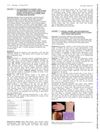
This case report details a child with a specific TNFAIP3 mutation manifesting as a severe SLE/SS phenotype, expanding the known phenotype for this genetic variant.
 19 citations
,
August 1999 in “European journal of endocrinology”
19 citations
,
August 1999 in “European journal of endocrinology” This study concluded that neither basal nor ACTH-stimulated 17-OHP concentrations effectively indicate carrier status for 21-hydroxylase deficiency among Slovenian hyperandrogenic women, recommending molecular analysis of the CYP21 gene for reliable screening.
 15 citations
,
May 2013 in “American Journal of Medical Genetics - Part A”
15 citations
,
May 2013 in “American Journal of Medical Genetics - Part A” People with X-linked hypohidrotic ectodermal dysplasia have no sweat ducts and less, thinner hair.
 60 citations
,
August 2008 in “Human molecular genetics online/Human molecular genetics”
60 citations
,
August 2008 in “Human molecular genetics online/Human molecular genetics” This study suggests that a position effect disrupting TRPS1 expression may be linked to hypertrichosis in both Ambras syndrome in humans and a similar phenotype in Koa mice.
 35 citations
,
October 2017 in “Signal Transduction and Targeted Therapy”
35 citations
,
October 2017 in “Signal Transduction and Targeted Therapy” This study found that fibromodulin significantly reduces scar formation and boosts scar strength in rodent and porcine models, suggesting potential for FMOD-based therapies in cutaneous wound repair.
 April 2025 in “International Journal of General Medicine”
 This study found that among COVID-19 patients, a higher presence of the G allele in the IFITM3 rs12252 polymorphism correlates with increased inflammatory markers and disease severity, noting higher ESR, CRP, Fibrinogen, LDH, and D-dimer levels in severe cases compared to mild ones.
 13 citations
,
October 2024 in “Scientific Reports”
13 citations
,
October 2024 in “Scientific Reports” In this study using data from young women in West Bengal, India, the researchers identified that leptin signaling impairment, insulin resistance, and specific gene mutations significantly contribute to PCOS, with obesity commonly manifesting in affected individuals.
 11 citations
,
December 2014 in “The American journal of pathology”
11 citations
,
December 2014 in “The American journal of pathology” This study found that a genetic deletion causing truncated desmoglein 3 protein in mice led to severe pathologies, including cyclic hair loss and immunodeficiency, suggesting possible implications for human desmosome-related diseases.
 June 2024 in “Research Square (Research Square)”
 This study found that among young women in West Bengal, India, co-occurring PCOS and related conditions like estrogen resistance and leptin receptor insufficiency are common, with notable genetic variations identified, including impairments in leptin signaling and insulin resistance.