 2 citations
,
December 2022 in “bioRxiv (Cold Spring Harbor Laboratory)”
2 citations
,
December 2022 in “bioRxiv (Cold Spring Harbor Laboratory)” In this study, overexpression of miR-29 in mice led to aging-related phenotypes and early lethality, demonstrating its significant role in driving aging processes.
 September 2016 in “Journal of Dermatological Science”
 This study identified that in Japanese patients with autosomal recessive woolly hair/hypotrichosis, the c.736T > A LIPH mutation is associated with a mild phenotype, while the c.742C > A mutation may lead to severe baldness.
 March 2009 in “The Journal of Urology”
 This study found that some cancer cells exhibit neuronal-like characteristics, which may serve as a mechanism of resistance.
15 citations
,
October 2012 in “Journal of child neurology” In this study, two unrelated Honduran patients with Sjögren-Larsson syndrome had the same genetic mutation but displayed different disease severities, suggesting that factors beyond the ALDH3A2 mutation influence clinical outcome.

This study identified that manifestations of Long COVID can be detected through routine symptoms and diagnoses in electronic health records following COVID-19 admissions, as compared to non-COVID hospitalizations.
 December 2021 in “The Journal of clinical endocrinology and metabolism/Journal of clinical endocrinology & metabolism”
 Men can have genetic risks for PCOS-related traits like obesity and diabetes.
55 citations
,
April 2008 in “Clinical Genetics” This report identifies a novel mutation in the ST14 gene in a female with autosomal recessive ichthyosis with hypotrichosis, highlighting similar features to previously reported cases.
54 citations
,
May 2015 in “Endocrinology” In this study, manipulation of the enzyme 5α-reductase type 2 in human hepatocytes altered lipogenesis, suggesting clinical implications for patients using 5α-reductase inhibitors by affecting glucocorticoid action on hepatic lipid metabolism.
51 citations
,
August 2013 in “The Journal of experimental medicine/The journal of experimental medicine” This study found that Wnt secretion is important for maintaining skin homeostasis in mice, as Evi-deficient mice developed psoriasis-like skin lesions and had an imbalance in immune cell populations.
47 citations
,
July 1998 in “Journal of Investigative Dermatology” A new mutation, Glu402Lys, in hair keratin is linked to variable symptoms of monilethrix.
28 citations
,
July 2005 in “Journal of Investigative Dermatology” Sca-1+ cells in newborn mouse skin may become fat cells.
19 citations
,
October 2016 in “Journal of oncology pharmacy practice” In this study, the first case of a persistent curly hair phenotype was reported with nivolumab treatment in a patient with metastatic squamous cell lung cancer.
 19 citations
,
July 2015 in “Journal of inherited metabolic disease”
19 citations
,
July 2015 in “Journal of inherited metabolic disease” This study observed that while betaine supplementation decreases total homocysteine and increases methionine levels in a mouse model of CBS deficiency, it is not as effective as methionine restriction in reversing associated phenotypes.
14 citations
,
January 2025 in “Reproductive Medicine and Biology” This review emphasizes the importance of considering race and ethnicity-specific factors in diagnosing and treating polycystic ovary syndrome (PCOS) and calls for diagnostic criteria tailored to these differences.
12 citations
,
February 2017 in “International journal of developmental neuroscience” This study observed that reduced in utero exposure to the neurosteroid allopregnanolone increased anxiety-like behavior in female guinea pigs during the juvenile period without affecting long-term allopregnanolone levels.
 4 citations
,
February 2025 in “GeroScience”
4 citations
,
February 2025 in “GeroScience” This study found that restoring hypothalamic NPY levels in mice delayed aging-related characteristics such as fat loss, hair loss, and memory decline, suggesting that maintaining these levels could be important for counteracting aging and its effects.
4 citations
,
October 2021 in “Journal of Clinical Medicine” This study found that individuals with heterozygous truncation-type variants in the *DSP* gene exhibit lower skin temperature and higher transepidermal water loss, with specific microscopic skin changes and pseudomonilethrix.
 2 citations
,
August 2022 in “The journal of investigative dermatology/Journal of investigative dermatology”
2 citations
,
August 2022 in “The journal of investigative dermatology/Journal of investigative dermatology” This review discusses the genetic origins of autosomal recessive woolly hair with hypotrichosis and reports no clinical results; it highlights the link to homozygous variants in the K25 keratin gene.

This research found significant associations between gut microbiome composition and 14 out of 37 examined health conditions, suggesting that increased microbial abundance often aligns with favorable health states.
1 citations
,
August 2013 in “The Journal of Cell Biology” This study found that Wnt secretion is important for skin homeostasis in mice, as Evi-deficient mice developed skin lesions resembling psoriasis and showed immune cell imbalance.
March 2026 in “Journal of Investigative Dermatology” June 2025 in “Albus Scientia” This review discusses the role of the MC1R gene in human pigmentation and its genetic variants, reporting no new results; the authors highlight its forensic applications for phenotypic prediction.
 May 2025 in “Experimental Dermatology”
 This study found that specific TRPM5 modulators are unlikely to directly affect sebaceous glands, but safe TPPO analogues may provide moderate lipogenic and anti-inflammatory effects beneficial for dry skin conditions.
June 2026 in “International Journal of Reproduction Contraception Obstetrics and Gynecology” This study found that serum Anti-mullerian hormone (AMH) levels are significantly elevated in women with polycystic ovary syndrome and can serve as a useful biomarker for diagnosis, especially when ultrasonography is unavailable.
July 2024 in “Journal of Investigative Dermatology” Human epidermal stem cells divide faster than previously thought.
 November 2022 in “The journal of investigative dermatology/Journal of investigative dermatology”
 This study observes that TYK2 inhibition with BMS-986202 may extend hair follicle growth phases and decrease inflammatory cell markers in alopecia areata, suggesting potential for clinical application.
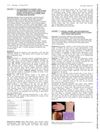
This case report details a child with a specific TNFAIP3 mutation manifesting as a severe SLE/SS phenotype, expanding the known phenotype for this genetic variant.
 March 2012 in “Journal of Pediatric and Adolescent Gynecology”
 This study found that BMI was the only significant predictor of elevated androgen levels in adolescents with PCOS, and hyperandrogenemia was not linked to a specific PCOS phenotype.
 July 2011 in “British Journal of Dermatology”
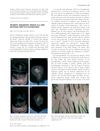
 Hormone treatment caused hair loss, finasteride helped regrowth.
March 2020 in “UTUPub (University of Turku)” This study found that self-reported androgen-driven phenotypes, like balding and finger length ratios, were not associated with cancer aggressiveness or biochemical recurrence in prostate cancer after prostatectomy.