 9 citations
,
September 2017 in “Journal of Investigative Dermatology Symposium Proceedings”
9 citations
,
September 2017 in “Journal of Investigative Dermatology Symposium Proceedings” In this study, PGD2 was shown to increase testosterone production in human keratinocytes through reactive oxygen species, suggesting potential benefits of antioxidants like N-acetyl-cysteine for AGA patients.
 8 citations
,
April 2020 in “Facial Plastic Surgery Clinics of North America”
8 citations
,
April 2020 in “Facial Plastic Surgery Clinics of North America” This abstract explains that androgenetic alopecia, a common hair loss disorder influenced by genetics and hormones like dihydrotestosterone, has FDA-approved treatments including minoxidil, finasteride, and photolaser therapy, but its genetic basis and susceptibility to environmental factors remain complex.
 8 citations
,
February 2013 in “Central European Journal of Biology”
8 citations
,
February 2013 in “Central European Journal of Biology” This article discusses melanocyte development from neural crest cells and reports no new experimental results; the authors suggest a broader range of functions for melanocytes than previously recognized.
 7 citations
,
February 2019 in “International Journal of Dermatology”
7 citations
,
February 2019 in “International Journal of Dermatology” This review discusses factors influencing hair pigmentation and the etiology of canities, noting the lack of clarity in underlying mechanisms and calling for further research on treatment options.
 7 citations
,
March 2017 in “Actas Dermo-Sifiliográficas”
7 citations
,
March 2017 in “Actas Dermo-Sifiliográficas” This review summarizes recent therapeutic advancements in treating various forms of alopecia, including new applications of oral minoxidil, dutasteride, finasteride, Janus kinase inhibitors, and novel hair transplant techniques, without presenting original research results.
 7 citations
,
April 2021 in “Dermatology and Therapy”
7 citations
,
April 2021 in “Dermatology and Therapy” This review identifies several off-label uses of H-1 antihistamines in dermatology beyond itch and urticaria control, though the evidence is weak and further trials are needed.
 7 citations
,
February 2018 in “Journal of Investigative Dermatology”
7 citations
,
February 2018 in “Journal of Investigative Dermatology” This study investigates the role of peroxisome proliferator-activated receptor gamma in hair follicle morphogenesis using a novel mouse model but reports no new results, highlighting the need for further research on its function during the hair cycle.
 6 citations
,
January 2013 in “Experimental dermatology”
6 citations
,
January 2013 in “Experimental dermatology” This study found that bimatoprost, when applied daily at a 0.03% concentration, promoted significant hair growth in C57/black 6 mice, including earlier and faster regrowth of shaved fur.
 5 citations
,
January 2021 in “Journal of Cosmetic Dermatology”
5 citations
,
January 2021 in “Journal of Cosmetic Dermatology” This study found that topical cetirizine treatment significantly improved hair regrowth and patient satisfaction in male patients with androgenetic alopecia compared to a placebo, highlighting its potential role in treatment.
 4 citations
,
January 1987 in “Annual reports in medicinal chemistry”
4 citations
,
January 1987 in “Annual reports in medicinal chemistry” This review discusses recent developments in dermatological treatments for skin conditions such as acne, psoriasis, acute inflammation, and alopecia but reports no new clinical results.
 3 citations
,
May 2021 in “Dermatologic Clinics”
3 citations
,
May 2021 in “Dermatologic Clinics” This article reviews potential therapeutic targets and comorbidities associated with male androgenetic alopecia, but reports no new clinical results; further study is needed for comprehensive management.
 3 citations
,
March 2018 in “Pediatric Dermatology”
3 citations
,
March 2018 in “Pediatric Dermatology” This study found that omeprazole can cause acquired generalized hypertrichosis by significantly increasing duodenal prostaglandin E2 synthesis, which is involved in hair growth regulation.
This chapter reviews recent developments in vitiligo research, highlighting the role of melanocyte stem cell differentiation and oxidative stress in its management, but reports no new clinical results.
 3 citations
,
February 2016 in “Nature Biotechnology”
3 citations
,
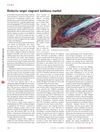
February 2016 in “Nature Biotechnology” New drug shows promise for better hair growth in baldness treatment.
 3 citations
,
November 2015 in “Journal of Investigative Dermatology”
3 citations
,
November 2015 in “Journal of Investigative Dermatology” This study examines the interaction between androgen receptor signaling and the β-catenin/Wnt signaling pathway in mouse hair follicles, but reports no clinical results.
 3 citations
,
May 2011 in “Journal of the American Academy of Dermatology”
3 citations
,
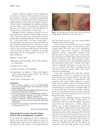
May 2011 in “Journal of the American Academy of Dermatology” This case report describes a 54-year-old woman who developed hypertrichosis around a leg ulcer while using PGE1 ointment, suggesting a potential side effect of the treatment.
 2 citations
,
April 2022 in “Revista Eletrônica Acervo Médico”
2 citations
,
April 2022 in “Revista Eletrônica Acervo Médico” This review discusses various alternative treatments for androgenetic alopecia, including pharmacological, surgical, and herbal therapies, without presenting new clinical findings.
 2 citations
,
January 2017 in “Journal of Pigmentary Disorders”
2 citations
,
January 2017 in “Journal of Pigmentary Disorders” This study explores the complex and not yet fully understood causes of premature hair greying, noting genetic factors such as Pax3 and MITE genes, potential defects in melanin transfer, and associations with certain syndromes, while stating that effective treatments are currently lacking.
 2 citations
,
January 2009 in “Folia Pharmacologica Japonica”
2 citations
,
January 2009 in “Folia Pharmacologica Japonica” This review covers potential molecular targets for androgenetic alopecia treatments but presents no new experimental findings; the authors highlight various in vitro and in vivo screening methods for therapeutic compounds.
 2 citations
,
January 2023 in “International journal of biological sciences”
2 citations
,
January 2023 in “International journal of biological sciences” This review discusses the mechanisms of hair repigmentation and reports no clinical results; the authors suggest further research into topical treatments for reversing gray hair.
 2 citations
,
May 2021 in “Clinical Pharmacology in Drug Development”
2 citations
,
May 2021 in “Clinical Pharmacology in Drug Development” This phase 1 study reported that after administering supratherapeutic doses of cortexolone 17α‐propionate, a topical antiandrogen intended for hair loss treatment, there was no effect on the QTc interval, indicating no measurable cardiac safety concerns in the concentration range tested.
 2 citations
,
November 2012 in “InTech eBooks”
2 citations
,
November 2012 in “InTech eBooks” The document concludes that sex hormones are crucial for mammalian reproduction, health, and behavior, and require more research for therapeutic use.
 1 citations
,
May 2021 in “Revista Eletrônica Acervo Científico”
1 citations
,
May 2021 in “Revista Eletrônica Acervo Científico” This review discusses various treatment options for androgenic alopecia, noting finasteride's greater efficacy in men and identifies ongoing research needs, particularly for therapies like laser and stem cells.
 1 citations
,
December 2019 in “Journal of medicine and life science”
1 citations
,
December 2019 in “Journal of medicine and life science” This article discusses the role of dermal papilla and dermal sheath cells in the hair cycle and reviews finasteride and minoxidil's mechanisms in promoting hair growth, but presents no new clinical findings.
 1 citations
,
July 2018 in “Elsevier eBooks”
1 citations
,
July 2018 in “Elsevier eBooks” This review covers androgenetic alopecia's epidemiology, pathogenesis, current management options, and research trends, concluding that no definitive cure exists despite extensive interest and ongoing genetic research efforts.
 1 citations
,
August 2017
1 citations
,
August 2017 This article reviews the mechanism, usage, and alternatives of the medication minoxidil in dermatology and reports no new clinical outcomes.
 1 citations
,
January 2015 in “Journal of Aesthetic & Reconstructive Surgery”
1 citations
,
January 2015 in “Journal of Aesthetic & Reconstructive Surgery” This review discusses techniques for harvesting follicular units, medical treatments for androgenetic alopecia, and potential future advancements in hair restoration therapy, but it reports no new clinical results.
 June 2026 in “Discover Nano”
 This review discusses current treatment strategies for alopecia and highlights the potential of lipid-based nanoparticles to improve drug delivery to the scalp and hair follicles, noting their ability to enhance skin penetration and drug stability while outlining associated challenges and the need for further research.
 February 2026 in “Frontiers in Pharmacology”
 This review suggests a shift toward genetically informed treatments for male pattern hair loss by integrating genetic insights and pharmacogenetic markers into therapeutic decision-making.
 February 2026 in “Frontiers in Public Health”
 This review discusses the potential impact of lifestyle factors on the progression of androgenetic alopecia and reports no new clinical findings; the authors emphasize the need for more comprehensive studies.