 81 citations
,
August 2011 in “Journal of The American Academy of Dermatology”
81 citations
,
August 2011 in “Journal of The American Academy of Dermatology” In this study, latanoprost significantly increased hair density in young men with mild androgenetic alopecia after 24 weeks, suggesting it may stimulate hair follicle activity and treat hair loss.
 11 citations
,
May 2010 in “Journal of the South African Veterinary Association”
11 citations
,
May 2010 in “Journal of the South African Veterinary Association” This case report describes how a treatment with mycophenolate mofetil and prednisone may be effective in managing autoimmune subepidermal blistering dermatosis in dogs while allowing for steroid reduction.
 9 citations
,
August 2014 in “European journal of ophthalmology”
9 citations
,
August 2014 in “European journal of ophthalmology” This study found that PGF 2α receptors were predominantly present in the inner root sheath of the bulb and stem of human eyelashes during the anagen phase.
 June 2026 in “International Journal of Advanced Biochemistry Research”
 This report from a veterinary clinical case observed a two-year-old Lhasa apso with generalized demodicosis and severe secondary bacterial pyoderma, successfully treated through an integrated approach combining ivermectin, antimicrobials, and supportive therapies, resulting in significant clinical improvement.
 January 2025 in “International Journal of Advanced Biochemistry Research”
 In this study, dogs diagnosed with demodicosis achieved full recovery after a single dose of fluralaner, with clinical improvement supported by negative skin scraping results by day 28, and hematobiochemical parameters normalizing over the treatment period.
 April 2023 in “JIVA : journal of Indian Veterinary Association Kerala/JIVA :Journal of Indian Veterinary Association, Kerala”
 This case study reported the successful recovery of a Doberman Pinscher with skin lesions, demodicosis, pyoderma, and malasseziosis following treatment with fluralaner, enrofloxacin, shampoos, immune boosters, and fatty acids.
 7 citations
,
April 2017 in “Dermatologic surgery”
7 citations
,
April 2017 in “Dermatologic surgery” This study concluded that bimatoprost 0.03%, applied either twice or once daily, is safe, well-tolerated, and effective in improving eyebrow fullness and darkness in individuals with eyebrow hypotrichosis.
 23 citations
,
April 2004 in “American Journal of Ophthalmology”
23 citations
,
April 2004 in “American Journal of Ophthalmology” This case report found that topical bimatoprost usage in a female Hispanic patient with open-angle glaucoma was associated with hypertrichosis and increased pigmentation of vellus hairs on the malar region.
 20 citations
,
October 2016 in “Veterinary dermatology”
20 citations
,
October 2016 in “Veterinary dermatology” This study reports that generalized discoid lupus erythematosus is a recognized canine variant of cutaneous lupus erythematosus, resembling its human counterpart, with varied treatment responses and common relapses.
 16 citations
,
July 2021 in “Histopathology”
16 citations
,
July 2021 in “Histopathology” This review discusses recent findings on molecular changes in cutaneous adnexal tumours and reports novel markers and pathways involved, highlighting the diverse oncogenic drivers and tumour suppressor alterations.
 15 citations
,
March 2020 in “Journal of cosmetic dermatology”
15 citations
,
March 2020 in “Journal of cosmetic dermatology” This review examines non-surgical methods for rejuvenating the periorbital area and highlights the growing role of platelet-rich plasma, but it reports no new clinical findings.
 15 citations
,
March 2004 in “American Journal of Ophthalmology”
15 citations
,
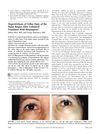
March 2004 in “American Journal of Ophthalmology” This case report found that topical bimatoprost in a female Hispanic patient with glaucoma led to increased hair growth and pigmentation in the malar region, which resolved after discontinuing use and epilation.
 2 citations
,
March 2016 in “Obstetrics and Gynecology Clinics of North America”
2 citations
,
March 2016 in “Obstetrics and Gynecology Clinics of North America” This article reviews common dermatologic conditions seen in primary care, such as acne and skin cancer, but reports no new findings.
 1 citations
,
April 2026 in “Aesthetic Plastic Surgery”
1 citations
,
April 2026 in “Aesthetic Plastic Surgery” This study found that radiofrequency microneedling is effective and well-tolerated for improving various skin conditions, showing comparable efficacy to fractional lasers for atrophic acne scars with generally favorable patient satisfaction and safety.
 1 citations
,
August 2012
1 citations
,
August 2012 The document discusses various diseases of the outer ear, categorized by symptoms like redness, crusts, bumps, pus-filled lesions, lumps, ulcers, and hair loss.
 1 citations
,
January 2006 in “Elsevier eBooks”
1 citations
,
January 2006 in “Elsevier eBooks” Cats lose fur due to various reasons, including allergies, infections, genetics, hormones, diet, cancer, stress, and some conditions are treatable while others are not.
 March 2024 in “Intisari Sains Medis”
 This narrative review reported that intradermal injection of autologous platelet-rich plasma showed objective improvement and increased patient satisfaction in treating periorbital wrinkles, though the authors noted the need for further rigorous studies to confirm these findings.
 November 2019 in “Harper's Textbook of Pediatric Dermatology”
 This index of Harper's Textbook of Pediatric Dermatology, Fourth Edition, provides no clinical results or new findings.
 2 citations
,
November 2014
2 citations
,
November 2014 This chapter reviews common cosmetic dermatology techniques but presents no new findings; it discusses treatments like emollients and laser therapy for conditions like photoaged skin and acne scarring.
 June 2018 in “Acta Scientiae Veterinariae”
 This study describes three cases of dermatomyositis-like disease in mongrel dogs with compatible clinical findings and outcomes following slightly different treatment protocols.
 19 citations
,
October 2019 in “Dermatology Practical & Conceptual”
19 citations
,
October 2019 in “Dermatology Practical & Conceptual” This review discusses the expanding applications of dermoscopy in dermatological diagnosis beyond its initial use for detecting dysplastic nevi and reports no new clinical results.
 19 citations
,
November 2011
19 citations
,
November 2011 This review discusses the topical use of systemic drugs for cutaneous disorders and reports a lack of strong evidence from randomized controlled trials, highlighting the need for larger comparative effectiveness studies.
 4 citations
,
August 2013 in “Expert Review of Dermatology”
4 citations
,
August 2013 in “Expert Review of Dermatology” This review discusses recent advances in the diagnosis and management of female pattern hair loss but reports no new clinical results.
 October 2024 in “Irish Journal of Medical Science (1971 -)”
 In this study, TENS of the T6 dermatome over a longer term was explored for its effects on weight, blood pressure, heart rate, and appetite-regulating hormones in obese subjects with moderate obstructive sleep apnea; however, results are not reported in the abstract.
 November 2019 in “Harper's Textbook of Pediatric Dermatology”
 This review discusses potential causes of alopecia and hair overgrowth in pediatric patients, detailing diagnostic techniques and treatments, but presents no new research findings.
 69 citations
,
April 2010 in “Dermatologic Surgery”
69 citations
,
April 2010 in “Dermatologic Surgery” This review discusses the safety and efficacy of bimatoprost ophthalmic solution 0.03% for enhancing eyelash growth by influencing the eyelash hair cycle and follicles, and it reports no new results.
 43 citations
,
July 2013 in “Pharmacological reviews”
43 citations
,
July 2013 in “Pharmacological reviews” This article reviews the pharmacology of bimatoprost and prostamide F2α, highlighting bimatoprost's therapeutic applications in glaucoma, hair growth, and potential fat reduction, without reporting new experimental results.
 23 citations
,
April 2010 in “Clinical, cosmetic and investigational dermatology”
23 citations
,
April 2010 in “Clinical, cosmetic and investigational dermatology” This review discusses the cutaneous application of bimatoprost ophthalmic solution 0.03% for enhancing upper eyelash growth and suggests it is both safe and effective; no new clinical results are reported.
 7 citations
,
March 2019 in “Dermatologic surgery”
7 citations
,
March 2019 in “Dermatologic surgery” In this randomized trial, bimatoprost 0.01% significantly improved eyebrow hair density and diameter in patients with eyebrow hypotrichosis compared to a placebo, with minimal adverse effects, suggesting it is an effective and safe treatment option.
 7 citations
,
May 2018 in “Curēus”
7 citations
,
May 2018 in “Curēus” In this case report, a 60-year-old woman with eyebrow hypotrichosis experienced significant and lasting eyebrow growth after daily use of bimatoprost 0.03% solution, highlighting its potential as an effective treatment for eyebrow hair restoration.