 October 2024 in “Cosmetics”
 This review highlights the lack of research on Afro-textured hair, emphasizing the need for better understanding of its genetic traits and molecular structure to develop more effective hair care solutions.

This review highlights various plant-based and herbal treatments that reportedly help prevent hair loss and encourage hair growth. It also explores the molecular mechanisms, identified plant compounds, recent technologies such as nanoarchitectonics, and patents related to hair growth promotion.
 May 2022 in “Benha Journal of Applied Sciences”
 This study found that programmed death-ligand 1 (PD-L1) levels correlated with the severity of alopecia areata, suggesting its potential as an indicator and possible target for new treatments.
 4 citations
,
November 2023 in “Biological and Pharmaceutical Bulletin”
4 citations
,
November 2023 in “Biological and Pharmaceutical Bulletin” This study found that the BP-3 extract from Boesenbergia rotunda, rich in panduratin A, demonstrated strong anti-adipogenesis and lipolysis effects on preadipocyte cells at non-toxic concentrations, and when formulated into a serum reduced thigh circumference and improved skin firmness in a human trial.
71 citations
,
May 2019 in “Rheumatology” This study observed that PD-1+CXCR5-CD4+T peripheral helper cells are significantly elevated in patients with systemic lupus erythematosus and are correlated with disease activity indicators, suggesting their potential role in lupus pathogenesis.
November 2025 in “Biomedicines” This study found that the JAK1 inhibitors baricitinib and abrocitinib significantly reduced mechanical alloknesis in a murine model of atopic dermatitis, whereas the JAK2 inhibitor AZ960 had no effect.
 May 2011 in “Value in Health”
 This study found that the oral Janus kinase inhibitor CP-690,550 has a direct effect on reducing pruritus in patients with psoriasis, independent of clinician-assessed improvements in psoriasis severity.
 8 citations
,
March 2020 in “Frontiers in Cell and Developmental Biology”
8 citations
,
March 2020 in “Frontiers in Cell and Developmental Biology” This study developed a DPC cell line by introducing mutant CDK4, Cyclin D1, and TERT, making it a promising tool to study downstream signaling pathways activated by testosterone in androgenetic alopecia.
12 citations
,
March 2021 in “JAAD Case Reports” This study reported that immunotherapy in cancer patients can lead to skin-related immune adverse events, such as rashes, pruritus, and vitiligo, affecting a substantial proportion of patients.
 6 citations
,
December 2020 in “Biological & Pharmaceutical Bulletin”
6 citations
,
December 2020 in “Biological & Pharmaceutical Bulletin” This study found that certain fatty acids and triterpenoid-glycosides from Eclipta prostrata L. leaves exhibit potent inhibitory effects on the protein tyrosine phosphatase 1B enzyme, suggesting potential anti-diabetic and anti-obesity benefits.
52 citations
,
May 2011 in “Journal of Neuroendocrinology” This study found that palmitoylethanolamide may stimulate allopregnanolone synthesis and reduce oxidative stress in astrocytes through PPAR-α activation, suggesting a neuroprotective role.
 November 2022 in “The journal of investigative dermatology/Journal of investigative dermatology”
 This study found that cPPARγ and dnPPARγ isoforms are differentially expressed in healthy human skin, suggesting that PPARγ modulators may have compartment-specific effects depending on isoform presence.
1 citations
,
December 2016 in “Revista română de medicină de laborator” This study reported the first case of a NIPAL4 c.527C>A mutation in Romanian patients with autosomal recessive congenital ichthyosis, finding that NIPAL4 mutations are more common than TGM1 mutations in this population.
1 citations
,
May 2022 in “International journal of molecular sciences” This study found that in Hutchinson–Gilford progeria syndrome, iPSCs committed to the keratinocyte lineage faster than normal cells, with LEF1 expression reduced and a partial rescue of the phenotype achieved through adenine base editing.
January 2026 in “Biomaterials”  January 2025 in “Cellular and Molecular Biology”
 This study found that in Liaoning cashmere goats, overexpression of the PIP5K1A gene enhances skin fibroblast proliferation, while interference with this gene reverses melatonin-induced proliferation, and PIP5K1A regulates certain miRNA expressions, suggesting a role in improving cashmere yield and quality.
18 citations
,
January 2021 in “Theranostics” This study found that actively targeted AN2728-loaded nanocarriers reduced inflammation and improved skin condition in a mouse model of psoriasiform inflammation compared to free drug and non-targeted nanoparticles.
 March 2026 in “Clinical Cosmetic and Investigational Dermatology”
 In this case study, treatment with the selective JAK1 inhibitor upadacitinib significantly improved symptoms in a patient with refractory alopecia areata, vitiligo, ankylosing spondylitis, and allergic asthma-nasal syndrome, though a transient liver function abnormality was noted.
 4 citations
,
January 2001 in “Archives of Biochemistry and Biophysics”
4 citations
,
January 2001 in “Archives of Biochemistry and Biophysics” This study found that TPA induces apoptosis in pig renal epithelial cells by affecting cell cycle proteins, and activated ras can prevent this process.
 April 2019 in “Journal of Investigative Dermatology”
 This study found that DPP4 is significantly involved in matrix deposition and fibrosis in human skin fibroblasts, although the exact functions of DPP4 remain unclear.
 June 2026 in “Frontiers in Immunology”
 In this case report, a 57-year-old man with severe atopic dermatitis, vitiligo, and alopecia areata showed rapid and significant improvement after treatment with the JAK1 inhibitor upadacitinib, suggesting its potential as an effective monotherapy for these co-existing conditions when conventional therapies fail.
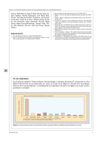
The document corrects a mistake by stating that pimecrolimus, not tacrolimus, is the drug that concentrates in the skin.
 80 citations
,
April 2011 in “Plant physiology”
80 citations
,
April 2011 in “Plant physiology” This study suggests that the GPX-PDE1 and GPX-PDE2 genes in white lupin enhance root hair development and contribute to Pi limitation acclimation by facilitating glycerophosphodiester degradation.
 32 citations
,
August 2015 in “Journal of Investigative Dermatology”
32 citations
,
August 2015 in “Journal of Investigative Dermatology” In this study using a mouse model, Prom1+ dermal papilla cells were found to regulate the size of the papilla via β-catenin communication but did not aid in dermal repair.
April 2011 in “Cancer Research” In this study, ginsenoside 20(S)-protopanaxadiol-aglycone (PPD) was shown to downregulate androgen receptor expression and inhibit tumor growth in prostate cancer cells.
 6 citations
,
February 2019 in “JAAD case reports”
6 citations
,
February 2019 in “JAAD case reports” This case report suggests acitretin as a potential treatment for pseudoainhum, following the successful resolution of the condition in a patient with palmoplantar keratoderma and congenital alopecia.
9 citations
,
April 2020 in “Journal of Cosmetic Dermatology” This case report describes the first instance of eosinophilic folliculitis of the scalp occurring during nivolumab therapy, which responded partially to topical steroids and cream but did not require stopping the treatment.
19 citations
,
September 2013 in “Psychoneuroendocrinology” Blocking CYP17A1 enzyme may help improve certain brain function issues related to dopamine.
January 2016 in “Texas ScholarWorks (Texas Digital Library)” This study suggests that the DORN1 receptor may play a role in eATP-induced changes in stomatal aperture in Arabidopsis thaliana, but not in the eADP signaling pathway.
3 citations
,
October 2024 in “Frontiers in Pharmacology” This laboratory study found that PI extract, along with its metabolites Ang and Mac, inhibited cell proliferation and protein expression linked to pathways involved in BPH, suggesting potential for therapeutic use, although the Ang-Mac combination showed no significant effect on apoptosis through the p53 pathway.