 37 citations
,
September 2003 in “Journal of Medicinal Chemistry”
37 citations
,
September 2003 in “Journal of Medicinal Chemistry” This study found that compound 2g inhibits steroid sulfatase effectively without exhibiting estrogenic activity, making it a promising candidate for breast cancer treatment.
 December 2022 in “Otorhinolaryngology, Head and Neck Pathology.”
 In this study, the combination of photobiomodulation therapy and Respiro Myrtol forte reduced pain and inflammation more effectively than either treatment alone in patients after septoplasty.
 1 citations
,
April 2019 in “Journal of Investigative Dermatology”
1 citations
,
April 2019 in “Journal of Investigative Dermatology” This study found that cold atmospheric plasma can accelerate wound healing processes and reduce bacterial growth, including drug-resistant strains, suggesting its potential as a novel treatment for chronic wounds.
October 2025 in “Journal of Cosmetic Dermatology” This study found that the AOPT-MTL mode is an effective and safe treatment option for nasal blackheads in Asians, indicating potential for widespread clinical use.
16 citations
,
March 2023 in “Gels” This study found that paeonol-loaded liposomal gels demonstrated antioxidant effects and relieved inflammation in AD-like mice, suggesting potential benefits for treating atopic dermatitis.
1 citations
,
August 2021 in “Journal of Investigative Dermatology” ASLAN004 was safe and well-tolerated, supporting further development for treating certain diseases.
September 2026 in “Angewandte Chemie” In this research, SEU-302, a newly developed covalent organic framework, exhibited significant antibacterial and wound-healing properties in vitro and in vivo, effectively eliminating Staphylococcus aureus and reducing inflammation under light activation, thereby showcasing its potential for therapeutic photodynamic applications.

This study investigates whether adding 30% supramolecular salicylic acid to conventional treatment for mild to moderate acne vulgaris is safe and effective, though specific results are not reported in the abstract.
 11 citations
,
January 2006 in “Drug development and industrial pharmacy”
11 citations
,
January 2006 in “Drug development and industrial pharmacy” In this study, adding TPGS to a minoxidil formulation improved local retention and reduced systemic absorption in certain solvent mixes, particularly with a balance of alcohol and PEG 400.
August 2026 in “JURNAL ILMU KEFARMASIAN INDONESIA” This study found that the addition of SPACE peptide significantly enhanced the penetration of amniotic membrane stem cell metabolites in mice, with only very mild irritation observed.
 February 2025 in “Biomimetics”
 This study developed a novel hair-straightening shampoo incorporating a polyphenol–inorganic sulfate redox agent, finding that it effectively straightens hair while enhancing strength and reducing damage due to its protective polyphenol coating.
January 2006 in “OpenCommons at University of Connecticut (University of Connecticut)” This study found that double transgenic Arabidopsis plants overexpressing both AVP1 and AtNHX1 showed improved salt tolerance and enhanced root hair and hypocotyl growth compared to single transgenic lines.
 12 citations
,
February 2010 in “Tetrahedron Letters”
12 citations
,
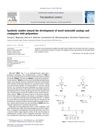
February 2010 in “Tetrahedron Letters” This article describes the synthesis of novel polyamine-modified minoxidil analogs and conjugates to potentially enhance minoxidil's biological activity, selectivity, and water solubility, but reports no new biological results.
 January 1997 in “Medical Journal Armed Forces India”
 This study found that RADA-PRG hydrogels enhanced skin-derived precursor cell proliferation and improved hair follicle neogenesis in mice, suggesting potential use as a scaffold material in tissue engineering.
This study found that neurosteroids influence oxytocin secretion in sheep, particularly during stress and pregnancy, suggesting their role in protecting and maintaining pregnancy under harmful conditions.
 37 citations
,
March 2018 in “Trends in Plant Science”
37 citations
,
March 2018 in “Trends in Plant Science” This review discusses the role of reactive oxygen species in regulating oscillating apoplastic pH gradients and growth in plant root hairs and pollen tubes, reporting no new experimental results.
 April 2026 in “Journal of Craniofacial Surgery”
 This pilot study found that plasma- and sonophoresis-assisted delivery of an exosome-containing formulation improved hair and scalp metrics over 12 weeks, with short-term safety observed, but controlled trials are needed for confirmation.
May 2025 in “Preprints.org” This review discusses the dermatological potential of olive mill wastewater as a sustainable source of high-value cosmeceutical ingredients but reports no new clinical results.
7 citations
,
March 2023 in “European Journal of Dermatology” Using Selenium Disulfide shampoo weekly helps prevent scalp dermatitis flare-ups.
 28 citations
,
November 2020 in “Fluid Phase Equilibria”
28 citations
,
November 2020 in “Fluid Phase Equilibria” In this study, researchers measured the solubility of Minoxidil in supercritical CO₂ under various temperature and pressure conditions and created models to estimate solubility based on different predictive approaches.
February 2023 in “Reactions Weekly” 6 citations
,
May 2012 in “The Journal of Dermatology” This letter reports on a case of intractable ophiasis-type alopecia areata that was presumably improved by fexofenadine, but no new clinical results are presented.
November 2025 in “Journal of Dermatological Treatment” This study reviewed a corticosteroid treatment regimen for a 52-year-old woman with extensive alopecia areata, showing significant hair regrowth and sustained remission over 12 months, suggesting oral mini-pulse therapy as a viable alternative for those ineligible for JAK inhibitors.
 February 2026 in “Scientific Reports”
 This preclinical study found that Mesenchymal Stem Cell-derived Conditioned Media formulations were safe and effective in rat and mouse models for treating chemotherapy- and radiation-induced oral mucositis, demonstrating improved tissue regeneration and healing, most notably at higher concentrations.
September 2026 in “Angewandte Chemie International Edition” In this study, SEU-302, a newly synthesized covalent organic framework, demonstrated potent photodynamic antibacterial effects, showing effective elimination of Staphylococcus aureus, wound healing promotion, and inflammation reduction both in vitro and in vivo, highlighting its therapeutic promise against bacterial infections.
2 citations
,
October 2020 in “Indonesian Journal of Nursing and Health Sciences” This article reviewed literature and found that Alginate-Chitosan-Fucoidan sponges may offer effective alternatives for wound dressing due to their enhanced wound healing abilities, attributed to good hemostatic and antibacterial properties, as well as excellent elasticity.
March 2023 in “Medical Bulletin of Haseki” This study found no statistically significant differences in extracellular water and cardiac measurements between COVID-19 patients in intensive care and those on the ward, though the NICaS device might aid fluid management.
2 citations
,
October 1982 in “PubMed” This article reports two cases where zinc deficiency caused by excessive bowel resection and parenteral nutrition led to skin lesions that improved rapidly with zinc sulfate supplementation.
43 citations
,
July 2017 in “International journal of pharmaceutics” This study found that anionic HSES achieved high complexation efficiencies with various steroids, significantly enhancing their solubility, while specific β-cyclodextrin thioethers showed selective binding to testosterone and estradiol.
21 citations
,
September 2013 in “Current medicinal chemistry” This study found that co-drugs synthesized from hydroquinone and tranexamic acid improved skin targeting and deposition, with reduced irritation and enhanced efficacy for treating hyperpigmentation.