 11 citations
,
January 2017 in “Oxidative medicine and cellular longevity”
11 citations
,
January 2017 in “Oxidative medicine and cellular longevity” This study found that antroquinonol inhibited CD8+ T cell proliferation and reduced proinflammatory cytokine secretion in vitro, while also ameliorating H2O2-induced depigmentation and resisting reductions in hair follicle length, skin thickness, and tyrosinase expression in mice.
 1 citations
,
January 2022 in “Journal of Pharmaceutical Sciences”
1 citations
,
January 2022 in “Journal of Pharmaceutical Sciences” This study developed a stable, cosmetically appealing formulation for the topical delivery of the peptide FOL-005, enhancing skin permeation and maintaining stability by keeping the peptide solid and in a water-free environment with particle sizes under 10 µm.
February 2026 in “ACS Omega” This study developed a multifunctional hydrogel, QTMP-Gel, which significantly accelerated wound healing in an oral mucositis hamster model by providing antioxidant and antibacterial effects, reducing inflammation, and controlling infection.
 January 2025 in “Letters in Drug Design & Discovery”
 This study found that ozonated olive oil exhibited antifungal activity against Trichophyton mentagrophytes, comparable to the standard antifungal terbinafine, in an in vivo rat study, suggesting it may serve as an alternative treatment for dermatophytosis.
 21 citations
,
December 2012 in “European journal of pharmaceutics and biopharmaceutics”
21 citations
,
December 2012 in “European journal of pharmaceutics and biopharmaceutics” This study suggests that using particle-bound antiseptics may provide more effective and longer-lasting skin antisepsis compared to their non-particulate forms.
 December 2022 in “Research Square (Research Square)”
 This study found that an extract from the herbal medicine Ophioglossum vulgatum Linn. showed potential hair growth promotion and increased ATP and catalase activity in cell assays, suggesting its use in treating alopecia.
November 1968 in “Journal of the American Pharmaceutical Association”  8 citations
,
April 2006 in “Acta dermato-venereologica”
8 citations
,
April 2006 in “Acta dermato-venereologica” Dovobet ointment used overnight effectively reduces scalp psoriasis severity and itch.
13 citations
,
October 2001 in “British Journal of Ophthalmology” This report discusses the use of intralesional cidofovir and suggests it might be a viable option for treating SCC due to its successful outcome without observed systemic toxicity in this case.
32 citations
,
February 1993 in “British Journal of Clinical Pharmacology” This study found that OPC-17116 can be reliably detected in hair, suggesting it can serve as an index of drug exposure and a time-marker in hair analysis.
 11 citations
,
January 2006 in “Drug development and industrial pharmacy”
11 citations
,
January 2006 in “Drug development and industrial pharmacy” In this study, adding TPGS to a minoxidil formulation improved local retention and reduced systemic absorption in certain solvent mixes, particularly with a balance of alcohol and PEG 400.
 May 2025 in “Scientific and Technical Bulletin оf State Scientific Research Control Institute of Veterinary Medical Products and Fodder Additives аnd Institute of Animal Biology”
 In this study, researchers developed "Akaro Spectra," an antiparasitic tablet for dogs using cryodestruction of plant materials, which showed 100% efficacy against Otodectes cynotis ticks by the second day and 93.76% efficacy against Ixodes, Dermacentor, and Rhipicephalus ticks.
5 citations
,
May 2017 in “Journal of dermatological science” This study reviewed the genetic and phenotypic aspects of Olmsted syndrome, highlighting pathogenic mutations in TRPV3 and MBTPS2 genes and their association with specific skin manifestations like symmetrical keratoderma and hyperkeratotic plaques.
24 citations
,
November 2015 in “Frontiers in Genetics” This review discusses the development and potential therapeutic effects of nitroxide small molecule agents for age-related macular degeneration and cardiovascular disease, but reports no new clinical results.
This study found that an extract treatment showed similar efficacy and tolerability to calcipotriol/betamethasone ointment in reducing psoriasis severity and symptoms over 28 days in patients with mild-to-moderate plaque psoriasis.
August 2025 in “Saudi Pharmaceutical Journal” This study developed a new suspended ointment formulation containing neomycin sulfate and triamcinolone acetonide, which showed promise for treating neurodermatitis and chronic eczema by ensuring stable composition, effective skin penetration, and no skin irritation.
22 citations
,
June 1991 in “Clinical Therapeutics” This study found that once-daily oxiconazole cream effectively treats tinea infections, achieving at least 80% cure rates, and shows comparable efficacy to other antifungal creams with similar tolerability.
 June 2022 in “Al-Qadisiyah Journal of Veterinary Medicine Sciences”
 This study found that 660 nm laser treatment and povidone iodine both eradicated Pseudomonas aeruginosa infection in mice wounds, with the laser enhancing healing, and the combination provided additive or synergistic healing benefits.
 January 2026 in “Buletin Veteriner Udayana”
 In this study, a female dog with ectoparasite infestation was treated for two weeks using wormectin, diphenhydramine, chlorpheniramine maleate, dexamethasone, and amoxicillin, resulting in improved symptoms such as reduced itching, closure of skin ulcers, and hair regrowth.
 1 citations
,
October 2025 in “Nano Research”
1 citations
,
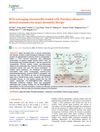
October 2025 in “Nano Research” In this study, researchers developed a dissolvable microneedle patch combining HA-TEMPO and Portulaca oleracea L.-derived nanoparticles, which effectively reduced oxidative stress and inflammation in an atopic dermatitis model while restoring immune balance, suggesting a promising treatment strategy.
1 citations
,
October 2025 in “Ophthalmology Science” In this experimental study, researchers found that intravitreal injections of up to 100μg of topotecan in rabbits caused no systemic or ocular toxicity, while 200μg doses resulted in localized retinal changes and decreased electroretinography amplitudes near the injection site.
 April 2018 in “The journal of investigative dermatology/Journal of investigative dermatology”
 This phase 2a trial evaluated Samcyprone for common wart treatment and found that while a sensitization reaction is necessary for therapeutic response, its level does not predict wart clearance.
 April 2018 in “Journal of Investigative Dermatology”
 This study identified the osteopontin-derived peptide, FOL-005, as a potential inhibitor of unwanted human hair growth by promoting catagen development without reducing stem cell numbers or showing toxicity.
November 2019 in “British Journal of Dermatology” FOL-005 peptide may help treat excessive hair growth safely.
 17 citations
,
January 2024 in “Journal of Materials Chemistry B”
17 citations
,
January 2024 in “Journal of Materials Chemistry B” In this study, researchers developed a hyaluronic acid-coated copper peroxide nano-antimicrobial system that demonstrated precise antimicrobial activity and accelerated wound healing by releasing reactive oxygen species in response to bacterial enzymes, in both laboratory and animal tests.
 April 2017 in “Journal of Investigative Dermatology”
 This study found that a single dose of TRP significantly reduced the number of UV-B-induced actinic keratosis lesions in a mouse model and was associated with improved skin histology and minimal side effects.
February 2023 in “Reactions Weekly”  August 2024 in “Bioimpacts”
 In this study on mice, a hydro-alcoholic solution containing kopexil significantly enhanced hair growth and increased hair-promoting factors without causing notable liver or kidney toxicity compared to minoxidil.
 January 2021 in “Online Publication Service of Würzburg University (Würzburg University)”
 This study examines the use of diphenylcyclopropenone in treating alopecia areata patients at the University Hospital Würzburg and investigates how the treatment affects patients' quality of life.
 January 2024 in “Wiadomości Lekarskie”
 This study reports a successful combination treatment for phospho-organic compound poisoning, using standard therapy with atropine and toxogonin along with exogenous cholinesterases via blood transfusion, showing positive outcomes in patients whose endogenous cholinesterase levels dropped to 20%.