 April 2018 in “The journal of investigative dermatology/Journal of investigative dermatology”
 This phase 2a trial evaluated Samcyprone for common wart treatment and found that while a sensitization reaction is necessary for therapeutic response, its level does not predict wart clearance.
12 citations
,
September 2015 in “Drug Design Development and Therapy” This study found that the DOX derivative AD198 more effectively inhibited cell viability and induced apoptosis in canine cancer cell lines K9TCC and K9OSA compared to DOX in vitro.
May 2024 in “Reactions weekly”  December 2025 in “npj Breast Cancer”
 In the phase 3 CAPItello-291 trial, capivasertib combined with fulvestrant significantly increased progression-free survival in patients with advanced breast cancer with specific genetic alterations, but the authors highlight that managing side effects like diarrhea, rash, and hyperglycemia is crucial for optimizing treatment adherence and outcomes.
 April 2017 in “Journal of Investigative Dermatology”
 In laboratory tests and mouse models, this study found that the novel IPC analog SIG-1451 may offer potent anti-inflammatory effects for treating allergic skin inflammation, potentially outperforming some current therapies in specific inflammatory phases.
 44 citations
,
May 2006 in “The Journal of the American Animal Hospital Association/Journal of the American Animal Hospital Association”
44 citations
,
May 2006 in “The Journal of the American Animal Hospital Association/Journal of the American Animal Hospital Association” This study observed that combination therapy with prednisolone and azathioprine provided similar outcomes to prednisolone alone for treating pemphigus foliaceus in dogs, with over half achieving remission and significant improvement in another 25%.
 12 citations
,
December 2018 in “Clinical Ophthalmology”
12 citations
,
December 2018 in “Clinical Ophthalmology” This review summarizes clinical trials and comparative studies showing that latanoprostene bunod 0.024% is effective and safe for reducing intraocular pressure in patients with open-angle glaucoma or ocular hypertension, detailing its mechanism and side effects while considering its therapeutic role.
3 citations
,
October 2024 in “Cancers” In this study, 37.5% of patients with nodal or metastatic cutaneous melanoma treated with immune checkpoint inhibitors developed skin adverse events, primarily low-grade rashes, vitiligo, and other dermatological symptoms, occurring mainly after 10 weeks of treatment.
 20 citations
,
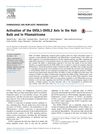
February 2016 in “American Journal of Pathology”
20 citations
,
February 2016 in “American Journal of Pathology” This study indicates that the OVOL1-OVOL2 axis may play a significant role in hair follicle differentiation and growth, potentially serving as therapeutic targets for hair disorders like alopecia and in the tumorigenesis of pilomatricoma.
32 citations
,
May 2018 in “Journal of the American Academy of Dermatology” This review describes how cutaneous toxicity from kinase inhibitors, immune checkpoint inhibitors, and chemotherapeutics could potentially serve as a biomarker for anticancer treatment efficacy, but highlights the need for more extensive research to confirm this association.
1 citations
,
February 2020 in “Regenerative Medicine” This article provides industry updates on stem cell research and regenerative medicine from December 2019 and reports no new research findings.
 July 2016 in “Dermatologie pro praxi”
 This article discusses the use of Espumil foam base in pharmacies for preparing dermatological medications and reports no new clinical results.
2 citations
,
January 2022 in “JAAD Case Reports” This case report describes a 69-year-old woman who developed drug-induced acquired ichthyosis related to ponatinib therapy, which improved upon stopping the medication.
3 citations
,
October 2021 in “The Application of Clinical Genetics” This study found that certain genetic variations in the OPN gene may be linked to atopic dermatitis and a higher prevalence of asthma in Caucasians.
July 2024 in “Journal of Investigative Dermatology” Combining certain treatments, including FOL005, may improve healing of difficult wounds.
 December 2022 in “Research Square (Research Square)”
 This study found that an extract from the herbal medicine Ophioglossum vulgatum Linn. showed potential hair growth promotion and increased ATP and catalase activity in cell assays, suggesting its use in treating alopecia.
June 2023 in “Scholars journal of medical case reports” This case report describes a 45-year-old Malian woman with Vogt-Koyanagi-Harada disease, highlighting its uncommon occurrence among individuals of African descent and detailing her treatment with prednisone and other adjunct therapies.
9 citations
,
July 2022 in “Journal of Clinical Oncology” This study found that oral paclitaxel combined with encequidar improved tumor response rates compared to intravenous paclitaxel in women with metastatic breast cancer, while also reducing neuropathy but increasing certain gastrointestinal and neutropenic side effects.
 10 citations
,
October 1993 in “Archives of dermatological research”
10 citations
,
October 1993 in “Archives of dermatological research” The researchers reported that the antipsoriatic compounds 1,25-dihydroxy-vitamin D3 and calcipotriol thinned the living cell compartment in organotypic ORS cultures by accelerating the differentiation pathway rather than affecting proliferation.
4 citations
,
February 2024 in “Anais Brasileiros de Dermatologia”  2 citations
,
December 2021 in “Journal of Veterinary Medical Science”
2 citations
,
December 2021 in “Journal of Veterinary Medical Science” This case report found that adding lokivetmab to prednisolone treatment improved and maintained remission of pruritus in a dog with cutaneous epitheliotropic lymphoma.
1 citations
,
October 2025 in “Scientific Reports” This study reports that hedgehog pathway inhibitors, sonidegib and vismodegib, showed distinct adverse event patterns in real-world data, suggesting the need for further research to confirm these findings.
 11 citations
,
December 2018 in “Bone”
11 citations
,
December 2018 in “Bone” This study found that a high-energy shock wave can increase osteogenic activities in human mesenchymal cells, offering insights into potential therapeutic targets for trauma-induced heterotopic ossification.
July 2023 in “AESTHETIC OROFACIAL SCIENCE” This article reviews the use of polydioxanone (PDO) threads for facial rejuvenation and reports no new clinical findings, highlighting their safety and potential for natural, durable results.
September 2023 in “Journal of the American Academy of Dermatology” 11 citations
,
April 2023 in “Skin Health and Disease” This review discusses the interplay between dermatology and psychology in psychodermatology, highlighting the impact of neuroendocrine stress pathways on skin diseases and the importance of considering skin of color.
7 citations
,
September 2021 in “Antimicrobial Agents and Chemotherapy” This study found that olorofim demonstrated potent in vitro and in vivo antifungal activity against dermatophytes, resolving skin lesions in a guinea pig model similar to clotrimazole, suggesting it may be a promising treatment for dermatophytosis.
 February 2025 in “FASEB BioAdvances”
 In this study, hypoxic conditions were found to enhance stemness in hair follicle neural crest stem cells, while inhibiting the Hippo pathway significantly decreased their proliferation.
 January 2026 in “Zenodo (CERN European Organization for Nuclear Research)”
 This study found that Adapalene, Diosmin, and Azelastine have potential as multi-target drugs against Onchocerca volvulus and its endosymbiont, which might offer new therapeutic options for treating river blindness, but further research is needed to confirm their effectiveness.
January 2009 in “Journal watch” This study enrolled nine patients to investigate the effects of oral psoralen and ultraviolet A therapy plus oral prednisolone for treating alopecia areata.