 January 2024 in “Wiadomości Lekarskie”
 This study found that using a combined LH and FSH stimulation protocol significantly increased clinical pregnancy rates in women with low ovarian reserve compared to the standard protocol.
 January 2024 in “Wiadomości Lekarskie”
 This study found that kinematic alignment in total knee arthroplasty leads to a higher proportion of patients requiring smaller femoral components compared to traditional mechanical alignment, with statistical significance observed in femoral sizing differences between the two groups.
 January 2024 in “Wiadomości Lekarskie”
 This study found that administering steroids alongside cochlear implantation using Skarżyński's six-step method helped preserve residual hearing in patients, with a higher hearing preservation rate observed in those receiving steroids compared to those without.
 January 2024 in “Wiadomości Lekarskie”
 This study observed that, among women of reproductive age with prediabetes, those treated with a combination of metformin and liraglutide experienced greater weight loss, a more significant decrease in visceral adiposity index, and higher rates of HbA1C normalization compared to those receiving metformin and inositol.
 January 2024 in “Wiadomości Lekarskie”
 In this report, a case of a large primary extradural solitary fibrous tumor in the sacrum of a 31-year-old woman is detailed, where surgical treatment led to remission and improved functionality, despite the patient opting out of adjuvant radiotherapy to preserve fertility potential.
 January 2024 in “Wiadomości Lekarskie”
 This study analyzing 40 pediatric patients treated for head and neck sarcomas in a Polish clinic from 2015-2022 found rhabdomyosarcoma was the most common type, requiring complex oncological and surgical treatment, often involving reconstructive techniques.
 1 citations
,
March 2024 in “Türk Kadın Sağlığı ve Neonatoloji Dergisi”
1 citations
,
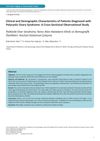
March 2024 in “Türk Kadın Sağlığı ve Neonatoloji Dergisi” This study concluded that among patients with polycystic ovary syndrome at their clinic, the most common phenotype was group A, with lifestyle modification and oral contraceptives being frequently used treatments.
 1 citations
,
September 2022 in “TURKDERM”
1 citations
,
September 2022 in “TURKDERM” This study found that using isotretinoin and acitretin was not linked to a higher risk or severity of COVID-19 in patients undergoing systemic retinoid therapy.
 March 2024 in “Nevşehir Hacı Bektaş Veli Üniversitesi SBE Dergisi”
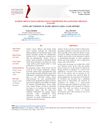
 In this study, a child with Alopecia Areata underwent art therapy, leading to reduced anxiety and stress levels and improved emotional expression and motivation for treatment, suggesting art therapy as a suitable psychosocial intervention for this condition.
 June 2023 in “British journal of dermatology/British journal of dermatology, Supplement”
 This study reports a rare case of two siblings with lipoedematous scalp, suggesting a possible genetic link that warrants further investigation.
 July 2018 in “Madridge journal of dermatology & research”
 This study reported that using a herbal hair oil containing Cereus grandiflorus (cactus) Flower extract over 12 weeks was effective in significantly reducing hair fall and aiding new hair growth among alopecia patients.
 December 2006 in “The Brown University Psychopharmacology Update”
 This review discusses various psychiatric treatments including antipsychotics, insomnia medication, and mood stabilizers, but reports no new clinical results; the authors comment on existing findings and approvals.
Female pattern hair loss, common in women, can be treated with various methods like minoxidil, anti-androgen treatments, and light therapy, but early intervention and realistic expectations are crucial.
 165 citations
,
February 2014 in “Phytotherapy Research”
165 citations
,
February 2014 in “Phytotherapy Research” Myrtle has various health benefits and potential for medicine development.
 115 citations
,
March 2019 in “Nature Communications”
115 citations
,
March 2019 in “Nature Communications” This study identified significant genetic associations with frontal fibrosing alopecia at four genomic loci, suggesting it is a genetically predisposed immuno-inflammatory disorder influenced by the HLA-B*07: 02 allele.
 96 citations
,
February 2007 in “The Journal of Clinical Endocrinology & Metabolism”
96 citations
,
February 2007 in “The Journal of Clinical Endocrinology & Metabolism” This review discusses the high prevalence of androgen excess and PCOS in women with type 1 diabetes but reports no new clinical findings; the authors highlight the underdiagnosis of hyperandrogenism in these patients.
 43 citations
,
November 2018 in “Nature Communications”
43 citations
,
November 2018 in “Nature Communications” This genome-wide association study identified 20 genetic signals at 15 risk loci related to severe acne, revealing new insights into its genetic predisposition, particularly affecting skin structure and maintenance.
 25 citations
,
May 2021 in “Journal of exposure science & environmental epidemiology/Journal of exposure science and environmental epidemiology”
25 citations
,
May 2021 in “Journal of exposure science & environmental epidemiology/Journal of exposure science and environmental epidemiology” This study found that hair products commonly used by Black women exhibited hormonal activity, which could impact health outcomes and contribute to health disparities.
 15 citations
,
March 2011 in “TURKDERM”
15 citations
,
March 2011 in “TURKDERM” This study found that eczema was the most common skin condition among children attending a pediatric dermatology clinic in Turkey.
 14 citations
,
December 2020 in “Journal of The American Academy of Dermatology”
14 citations
,
December 2020 in “Journal of The American Academy of Dermatology” This study observed a significant increase in telogen effluvium cases among people of color during the COVID-19 pandemic in NYC, notably affecting Hispanic/Latinx individuals.
 8 citations
,
December 2021 in “International Journal of Family Studies, Food Science and Nutrition Health”
8 citations
,
December 2021 in “International Journal of Family Studies, Food Science and Nutrition Health” This review discusses the potential health benefits and applications of extra virgin olive oil as a nutritional therapeutic immune-enhancer, but reports no new clinical findings.
 3 citations
,
June 2021 in “Journal of affective disorders”
3 citations
,
June 2021 in “Journal of affective disorders” This study suggests that hair cortisol and cortisone may moderate the relationship between work stress and depressive symptoms in Chinese fishermen, although their mechanisms differ.
 2 citations
,
May 2021 in “Scientific Reports”
2 citations
,
May 2021 in “Scientific Reports” In this study, researchers found that stress likely triggers symmetrical alopecia in Formosan macaques in Mt. Longevity, Taiwan, with higher stress hormone levels associated with the condition.
 1 citations
,
May 2025 in “The Journal of Phytopharmacology”
1 citations
,
May 2025 in “The Journal of Phytopharmacology” This review identifies natural plants that possess androgen-related compounds, highlighting the potential of phytoandrogens as alternatives to allopathic treatments for conditions like hypogonadism, impotence, infertility, and erectile dysfunction.
 August 2024 in “OSMANGAZİ JOURNAL OF MEDICINE”
 This study reported no significant association between vaspin and visfatin -4689G/T gene polymorphisms and alopecia areata in the Turkish population, although the visfatin GT genotype may pose a risk factor for the condition.
 October 2023 in “TURKDERM”
 This study observed a 30.4% decrease in dermatology outpatient visits during the COVID-19 pandemic, with a shift in patient demographics and an increased frequency of psoriasis, bullous diseases, and melanoma diagnoses, while conditions like acne and xerosis cutis were less frequent.
 March 2023 in “İnönü Üniversitesi Sağlık Hizmetleri Meslek Yüksek Okulu Dergisi”
 This study found that metabolic syndrome prevalence was significantly higher in obese patients with polycystic ovary syndrome, but no difference was observed among the different phenotypes.
 December 2022 in “Proceeding Bengkulu International Conference on Health”
 This study concluded that a 5% concentration of celery extract in hair gel provided the best preparation characteristics, including standard parameters for organoleptic properties and spreadability.
This study reported no significant statistical difference in insulin resistance or QUICKI levels between reproductive women with androgenetic alopecia and age-matched controls.
 July 2025 in “International Journal of Allied Medical Sciences and Clinical Research”
 This review compiles current knowledge of Eclipta prostrata's botanical details, ethnomedical uses, phytochemical components, and various pharmacological activities, emphasizing its potential for modern pharmaceutical formulations based on its anti-inflammatory, antioxidant, anticancer, and other therapeutic properties.