7 citations
,
February 2019 in “Veterinary medicine and science” This study reports the first identification of the deleterious NIPAL 4 variant, associated with autosomal recessive congenital ichthyosis, in an American Bully and describes its clinical management and follow-up.
January 2020 in “SSRN Electronic Journal” This study observed distinct clusters of autoantibodies in children with pSLE, with significant differences in several clinical manifestations like hair loss, oral ulcers, arthritis, neurological symptoms, renal issues, and AIHA among the clusters.
 8 citations
,
January 2021 in “Pharmaceutics”
8 citations
,
January 2021 in “Pharmaceutics” This study found that using nanoporous silica entrapped lipid-drug complexes enhanced the solubility and bioavailability of dutasteride in beagle dogs.
36 citations
,
July 1996 in “The journal of investigative dermatology/Journal of investigative dermatology” This research reports a new autosomal recessive mutation in mice, 'lanceolate hair', causing generalized alopecia and hair shaft abnormalities, which may serve as a model for Netherton's syndrome in humans.

This study found that liquid nitrogen cryotherapy resulted in good responses in 33% of patients with recalcitrant alopecia areata, although nearly 30% showed no response.
In this case report, an African American male with signs of acne keloidalis nuchae highlights the condition's chronic nature and need for early intervention to minimize permanent scarring and its psychosocial impact.
December 2022 in “Stem Cells and Development” The researchers reported that using exosomes from hair follicle stem cells with acellular nerve allografts helped bridge facial nerve defects in rats and may match the effectiveness of autograft therapy.
July 2026 in “Journal of the American Academy of Dermatology”  March 2024 in “Translational Journal of the American College of Sports Medicine”
 This study highlights that feeding and eating disorders, as well as disordered eating behaviors, are more prevalent among athletes compared to the general population, emphasizing the critical role of athletic trainers in early identification and management.
40 citations
,
May 2010 in “American Journal of Clinical Dermatology” This study reports that four Indian patients with acne keloidalis nuchae also exhibited acanthosis nigricans, suggesting a potential link to metabolic syndrome, though further research is needed to confirm this association.
12 citations
,
January 1994 in “Dermatology” This study found that a patient with giant axonal degeneration had unique hair abnormalities such as trichorrhexis nodosa and altered S:N ratios, unlike her relatives but comparable to unrelated controls.
2 citations
,
May 2024 in “European Journal of Investigation in Health Psychology and Education” In this study, a high prevalence of anabolic-androgenic steroid use was observed among bodybuilding athletes in Sergipe, Brazil, regardless of their socioeconomic backgrounds, highlighting the need for increased awareness about the associated health risks.
 1 citations
,
February 2018 in “Journal of Plastic Reconstructive and Aesthetic Surgery”
1 citations
,
February 2018 in “Journal of Plastic Reconstructive and Aesthetic Surgery” This review from the 2013 Keogh Review found that non-surgical cosmetic interventions in the UK are largely unregulated, leaving patients with little protection or recourse.
November 2025 in “The Journal of Immunology” This study found that administering an S1PR 1&4 modulator reduced alopecia areata lesion size and decreased CD8+ T cell infiltration in mice, suggesting potential as a treatment for this condition.
16 citations
,
July 2021 in “American Journal of Medical Genetics Part A” This study identified novel LSS mutations implicated in hypotrichosis simplex with or without neurodevelopmental abnormalities, highlighting the need for careful evaluation of synonymous mutations' potential pathogenic effects.
 4 citations
,
December 2021 in “Journal of The American Academy of Dermatology”
4 citations
,
December 2021 in “Journal of The American Academy of Dermatology” This study reported a significant increase in the use of spironolactone for treating acne and hidradenitis suppurativa in female adolescents, noting a 2- to 3-fold rise in prescriptions and suggesting improved tolerance compared to adults, though its efficacy in adolescents is less pronounced.
August 2019 in “International journal of dermatology and venereology” This review discusses the calcineurin/NFAT pathway's role in cutaneous squamous cell carcinoma, noting its involvement in tumor development, skin cell behavior, and the tumor microenvironment; it reports no new results.
 34 citations
,
September 2009 in “International Journal of Dermatology”
34 citations
,
September 2009 in “International Journal of Dermatology” This article reviews the skin effects of anabolic-androgenic steroid use in athletes but reports no clinical results.
This study found that in men with androgenetic alopecia, nitric oxide synthase protein expression was significantly higher at androgenetic sites compared to non-androgenetic sites or those of healthy controls, suggesting a possible role in hair follicle regulation.
 May 2019 in “Small Animal Dermatology”
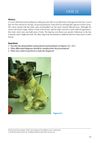
 This chapter discusses a case of sebaceous adenitis in a Japanese Akita, providing educational material for students and practitioners but reports no new research findings.
 August 2025 in “American Journal of Clinical Dermatology”
 This vodcast discusses various tools for assessing the severity of alopecia areata, emphasizing the importance of considering psychosocial impacts alongside physical symptoms.
 March 1997 in “Hair transplant forum international”
 This article discusses the recent Annual Meeting of the American Society of Hair Restoration Surgery and the American Academy of Cosmetic Surgery, but provides no new research findings.
 April 2025 in “Dermatology Practical & Conceptual”
 This study found that patients with alopecia areata had significantly higher systemic immune-inflammation index levels compared to healthy controls, regardless of the disease's severity.
1 citations
,
November 2025 in “Journal of Health Psychology” This study found that individuals with Alopecia Areata experience significantly higher social appearance anxiety compared to healthy controls, driven more by appearance-related concerns than by general anxiety or depression, highlighting the importance of targeted psychosocial assessments in their routine care.
 August 2008 in “European Neuropsychopharmacology”
 This study identified significant correlations between self-esteem, psychiatric symptoms, and health-related quality of life in peritoneal dialysis patients.
3 citations
,
December 2023 in “Pain Medicine” This case report described how peripheral nerve stimulation provided significant pain relief and reversal of dermatological symptoms for a female patient with complex regional pain syndrome after conventional treatments failed.
March 2023 in “Authorea (Authorea)” This case report describes a 5-year-old Sudanese boy with systemic-onset juvenile idiopathic arthritis who also exhibited unique cutaneous manifestations and peripheral eosinophilia alongside tinea capitis.
August 2026 in “Fabad Journal of Pharmaceutical Sciences” This study developed a Neusilin® US2-based solid self-nanoemulsifying drug delivery system for finasteride that showed improved stability and drug delivery, with complete dissolution comparable to standard Propecia® tablets.
May 2025 in “Journal of Clinical Medicine” This study suggests that women with alopecia have decreased microcirculation oscillations, which may imply neuroinflammation as a factor in the disease's pathogenesis.
November 2024 in “Journal of Investigative Dermatology” In this study, researchers investigated changes in ribosomal RNA modifications associated with stress-induced cellular senescence in human skin cells, identifying potential biomarkers and targets for interventions to mitigate skin aging.