 February 2024 in “Current Medicinal Chemistry”
 In this study, minoxidil nanoparticles significantly increased hair growth rate in C57BL/6 mice compared to traditional minoxidil, suggesting enhanced effectiveness and potential as a new formulation.
28 citations
,
November 2018 in “American Journal of Medical Genetics Part A” This report describes a neurometabolic disorder linked to gain-of-function variants in the ODC1 gene, characterized by developmental delay, ectodermal abnormalities, and notable facial and neuroimaging features.
2 citations
,
April 2024 in “Journal of Dermatological Science” This study suggests that the MLKL-targeting inhibitor Necrosulfonamide promotes hair growth and counteracts DHT inhibition by activating Wnt signaling in hair follicle cells, revealing potential avenues for anti-alopecia drug development.
 August 2019 in “bioRxiv (Cold Spring Harbor Laboratory)”
 This study developed the CATNIP computational model, which uses biological and chemical information to successfully identify drug repurposing opportunities for various conditions, including Parkinson’s disease and Type 2 Diabetes.
 January 2018 in “日本薬理学会年会要旨集 =”
 This study found that high-dose minoxidil, a potassium channel opener, may protect neuronal tissue from damage following transient focal cerebral ischemia in mice.
44 citations
,
October 2016 in “Epilepsia” This study demonstrated that the glycolytic inhibitor 2-deoxy-D-glucose enhances antiseizure effects by potentiating extrasynaptic tonic GABAergic inhibition through neurosteroidogenesis in hippocampal slices.
 9 citations
,
March 2024 in “Journal of Biomaterials Applications”
9 citations
,
March 2024 in “Journal of Biomaterials Applications” This study developed dissolving microneedles using specific polymers for transdermal delivery of rizatriptan benzoate, demonstrating improved drug skin penetration and significant alleviation of migraine symptoms in vivo compared to passive diffusion, suggesting potential advantages over conventional treatment methods for acute migraine.
 12 citations
,
February 2010 in “Tetrahedron Letters”
12 citations
,
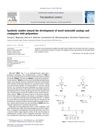
February 2010 in “Tetrahedron Letters” This article describes the synthesis of novel polyamine-modified minoxidil analogs and conjugates to potentially enhance minoxidil's biological activity, selectivity, and water solubility, but reports no new biological results.
October 2019 in “Asian College of Neuropsychopharmacology” 39 citations
,
September 2018 in “American Journal of Medical Genetics Part A” This case report describes a 32-month-old girl with a newly identified pediatric disorder linked to a de novo mutation in the ODC1 gene, mirroring symptoms seen in a transgenic mouse model.
June 2026 in “Journal of Dermatological Science” This study found that a topical formulation containing DMG-Na significantly improved hair loss parameters in people experiencing hair loss, suggesting its potential effectiveness for such conditions.
 November 2024 in “Communities in ADDI (University of the Basque Country)”
 Antisense oligonucleotides show promise for treating Myotonic Dystrophy type I.
18 citations
,
April 1998 in “MIT Press eBooks” This study found that topical application of N,N-dimethylglycine sodium salt increased dermal blood flow and velocity in human subjects, likely through its effects on endothelial cells and NO-dependent vasodilation.
 October 2019 in “DOAJ (DOAJ: Directory of Open Access Journals)”
 In this study, N-MXD (minoxidil nanoparticles) was shown to deliver more drug into hair bulbs and enhance IGF-1 and VEGF levels more effectively than commercial formulations, resulting in higher therapeutic efficiency for hair growth in C57BL/6 mice.
April 2015 in “The FASEB Journal” In this study, NM exposure in mouse skin disrupted pilosebaceous units, initially decreasing markers of sebum production and cellular division, but showed signs of healing and marker recovery by day five.
December 2022 in “Biochemical and Biophysical Research Communications” This study found that HtrA2 inactivation in mnd2 mice is associated with delayed hair cycle phases and growth retardation of adipocytes, suggesting HtrA2's role in regulating adipogenesis-related hair growth.
17 citations
,
January 1998 in “Neurourology and Urodynamics” This report describes a case of adrenomyeloneuropathy where neurogenic bladder dysfunction developed, attributed to demyelinating lesions in the patient's peripheral nerves, spinal cord, and cerebral white matter.
13 citations
,
November 2017 in “Neurotoxicity research/Neurotoxicity resarch” This study found that sodium metabisulfite activates sodium channels and increases cellular excitability and excitotoxicity in both cardiomyocyte and neuron models, which exacerbates seizures and neuronal damage in rats.
March 2024 in “European Journal of Neuroscience” This study, using a reporter mouse line, characterized diverse subtypes of dopaminergic neurons in the enteric nervous system, identifying unique subtypes with potential roles in gut function and disease.
11 citations
,
July 2023 in “Applied Nanoscience” This study suggests that the ANE syndrome mutation in yeast Nop4, analogous to human RBM28, disrupts protein folding and protein-protein interactions, contributing to ribosomal dysfunction.
46 citations
,
April 1987 in “Brain Research” This study suggests that hair-follicle afferent axons can be presynaptically inhibited by boutons containing the enzyme glutamic acid decarboxylase, which is linked to the synthesis of γ-aminobutyric acid.
 February 2025 in “Advanced Composites and Hybrid Materials”
 This study reported that in animal studies of androgenetic alopecia, a biodegradable microneedle patch releasing glutamic acid promoted hair regeneration more effectively than daily minoxidil, with higher hair follicle counts and less frequent dosing, showing the potential for clinical application.
2 citations
,
January 2024 in “Revista Paulista de Pediatria” In this case report, researchers described a 6-year-old girl with severe mandibuloacral dysplasia type A, noting unique physical deformities and a rare homozygous LMNA gene mutation not commonly associated with the condition.
 September 2013 in “Science”
 This study found that single-crystal magnesium samples smaller than 100 nm exhibited increased plastic deformation due to greater activation of nonbasal planes as local flow stresses approached 2 GPa.
Defective protein folding due to a mutation is key in ANE syndrome.
 6 citations
,
April 2022 in “Biomedicine & pharmacotherapy”
6 citations
,
April 2022 in “Biomedicine & pharmacotherapy” This review discusses the potential of using triads of repositioned medicines targeting multiple pathogenic mechanisms to prevent or delay retina degeneration, but reports no new results.
June 2022 in “Annals of Indian Academy of Neurology” This case report describes a rare association where herpes zoster infection may have triggered the first attack of NMOSD with systemic vasculitis in a patient, suggesting potential overlaps in immunopathogenesis.
 January 2022 in “Current Enzyme Inhibition”
 This study found that two novel nonsteroidal derivatives inhibited specific enzymes in vitro and in vivo, leading to dihydrotestosterone accumulation in androgen-dependent glands, suggesting potential therapeutic use for mood improvement in the elderly.
 September 2013 in “Science”
 The document concludes that human astrocytes aid stroke recovery, research confidence affects student career aspirations, collagen affects cancer spread, a microRNA suppresses brain cancer growth, calmodulin regulates water channels, and small magnesium pieces deform differently.