September 2024 in “Journal of Cosmetic Dermatology” Cold gel compresses are the best for pain relief during scalp microneedling.
 February 2023 in “Biophysical Journal”
 Light can be used to stimulate ear hair cells, improving speed and consistency over previous methods.
 January 2025 in “RSC Pharmaceutics”
 Smart microneedles using advanced tech could improve psoriasis treatment.

In this case report, the authors observed that onabotulinum toxin A therapy, extended to areas around traumatic excoriations and alopecia, resulted in notable healing and hair regrowth in a patient with trigeminal trophic syndrome and trichotillomania.
18 citations
,
September 2021 in “Journal of Neuroendocrinology” This review discusses how neurosteroids acting on GABAA receptors may influence behavior and explores the potential for developing selective modulators for treating psychiatric disorders, but reports no new clinical results.
 25 citations
,
June 2015 in “Clinical, Cosmetic and Investigational Dermatology”
25 citations
,
June 2015 in “Clinical, Cosmetic and Investigational Dermatology” This study found that using an electrical microneedling device enhanced the penetration of liposomal melanin-fluorescein into hair structures and widened the follicular infundibulum in ex vivo human skin models.
September 2025 in “Toxins” Botulinum toxins show promise in treating various conditions, but more research is needed for hair and scalp disorders.
March 2026 in “Acta Pharmaceutica Sinica B” This review reports that microneedle-mediated transdermal drug delivery systems show promise in enhancing alopecia treatments by improving the efficacy of various therapeutic agents, including drugs, biologics, and stem cells, but highlights a gap between basic research advancements and clinical trial focus.
33 citations
,
September 2008 in “Biochemical and Biophysical Research Communications” Hair follicles can be used to easily create neurons and glial cells for potential nerve repair.
319 citations
,
November 2005 in “Proceedings of the National Academy of Sciences” This study suggests that hair follicle stem cells from transgenic mice can improve nerve regeneration and function, highlighting their potential as an autologous source for regenerative medicine.
April 2009 in “The FASEB Journal” This study demonstrated that a keratin gel promotes nerve regeneration across critical defects in rabbit models, showing improved nerve conduction and muscle action potential compared to control treatments.
9 citations
,
July 2024 in “Toxins” This opinion article reviews various pathways through which onabotulinumtoxinA might work in medical treatments, highlighting applications beyond muscle paralysis, including pain inhibition and potential effects on hair loss and cancer cell apoptosis.
April 2026 in “Journal of Dermatology Research” This systematic review found that interventions targeting neuropeptides and neurotransmitters, particularly melatonin, substance P, and oxytocin, show consistent evidence for anti-inflammatory, reparative, and psychodermatologic benefits, highlighting the potential of neurohormonal signaling as a therapeutic target in dermatology.
December 2022 in “Stem Cells and Development” The researchers reported that using exosomes from hair follicle stem cells with acellular nerve allografts helped bridge facial nerve defects in rats and may match the effectiveness of autograft therapy.
 June 2026 in “Facial Plastic Surgery”
 This review concluded that non-surgical hair restoration methods, such as pharmacologic and regenerative therapies, are important for delaying or supplementing surgical treatments when used properly.
 April 2023 in “IntechOpen eBooks”
 This review discusses neuropathic pruritus, detailing its clinical presentations and management strategies, but reports no new clinical results.
7 citations
,
January 2016 in “Methods in molecular biology” This report introduces a tissue-engineered nerve conduit combining hfNCSCs-derived neurons and acellular nerve grafts to potentially repair long-distance peripheral nerve injuries.
5 citations
,
July 2022 in “IBRO Neuroscience Reports” This study found that camphor and similar compounds depress neural activity in rat mechanoreceptors, suggesting that their effects may not be mediated through TRP channels.
189 citations
,
May 1999 in “Microscopy Research and Technique” This review discusses the multifaceted roles of neurotrophins, especially nerve growth factor (NGF), in the development and function of nociceptors and reports no new clinical results.
In this study, researchers found that adding zygomaticotemporal nerve blocks to supratrochlear and supraorbital nerve blocks in mesotherapy lowered pain significantly during and after the procedure for hair regrowth in alopecia patients.
 16 citations
,
March 2022 in “Archives of Toxicology”
16 citations
,
March 2022 in “Archives of Toxicology” This review summarizes recent advancements in therapies targeting botulinum neurotoxin, emphasizing human monoclonal antibodies and clinical research, but provides no new clinical findings.
 January 2026 in “Mendeley Data”
 This dataset supports a study suggesting that hair follicle neural crest stem cell-derived exosomes carrying miR-214-3p may promote neurite outgrowth and aid peripheral nerve regeneration in vitro and in vivo.
This study found that exosomes derived from hair follicle neural crest stem cells significantly promoted nerve regeneration in injured neurons, particularly when overexpressing miR-214-3p, which enhanced axon extension and motor function recovery in both in vitro and in vivo models.
109 citations
,
April 1997 in “Archives of Dermatological Research” The researchers reported that mast cell and nerve fiber interactions in mouse skin are highly selective for nerve fiber types and vary depending on the hair cycle phase.
 19 citations
,
September 2015 in “Therapeutic Delivery”
19 citations
,
September 2015 in “Therapeutic Delivery” This review discusses the application of active transdermal technologies in cosmetic devices for skin restoration and enhancement, reporting no new clinical results.
309 citations
,
October 2007 in “Biomaterials” This study found that a biomaterial gel made from human hair keratins facilitated nerve regeneration in an animal model, potentially matching the effectiveness of traditional autografts.
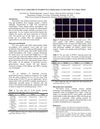
This study examined the use of keratin gel as a filler in nerve guides for peripheral nerve regeneration in a rat sciatic nerve injury model.

This study presents a two-photon imaging method to visualize low-threshold mechanoreceptor axon terminals in live mouse forepaw skin, enabling repeated high-resolution imaging to study sensory circuits during development and adulthood.
 July 2025 in “Journal of medical & health sciences review.”
 This review highlights the potential of ultrasound-assisted gene therapy for tissue regeneration by improving gene delivery efficiency through techniques like microbubble-mediated sonoporation. The authors discuss its applications in musculoskeletal, cardiovascular, and neural regeneration, while addressing future challenges in optimizing this non-invasive approach for clinical applications.
This study found that in mice with alopecia areata, a single subcutaneous injection of botulinum neurotoxin serotype A significantly reduced hair loss and stimulated hair follicle regeneration.