 April 2016 in “Journal of Investigative Dermatology”
 This study found that in mutant NRAS melanoma, MEK inhibitors led to increased AKT signaling and reduced MIG6, a change that may enhance cell migration and invasiveness.
 1 citations
,
January 2024 in “Curēus”
1 citations
,
January 2024 in “Curēus” This case study reported significant clinical improvement in a 26-year-old male with dissecting cellulitis of the scalp after treatment with upadacitinib, suggesting that JAK inhibitors may be a promising option for refractory cases, where standard treatments have limited success.
1 citations
,
April 2013 in “Journal of Investigative Dermatology” July 2026 in “Journal of the American Academy of Dermatology” The lotion helps manage mild to moderate hair loss.
This article is a reference guide for various dermatological terms, treatments, and conditions, and reports no new clinical findings.

This study developed and tested a polyherbal anti-dandruff hair serum using natural ingredients with antifungal, anti-inflammatory, and conditioning properties, reporting notable antifungal efficacy, good stability, and satisfactory physicochemical characteristics, suggesting the serum is a safe and effective natural alternative for daily dandruff treatment.
January 2008 in “Summit (Simon Fraser University)” This article describes viDA Therapeutics Inc.'s focus on developing new drugs for age-related conditions using their proprietary granzyme-based approach but reports no clinical outcomes, primarily discussing their funding and business strategy.
 June 2026 in “International Journal of Drug Delivery Technology”
 In this study, researchers optimized fast-dissolving tablets of nifedipine using a systematic approach, resulting in formulations that demonstrated rapid disintegration, enhanced dissolution profiles, and improved solubility, potentially improving oral delivery for patients requiring poorly soluble antihypertensive medication.
 January 2026 in “Annals of Clinical Endocrinology and Metabolism”
 This narrative review summarizes evidence on NAD⁺ biosynthesis and turnover, highlighting that while NAD⁺ precursors like NR and NMN consistently boost NAD⁺ levels in preclinical and human studies, clinical outcome results remain varied, indicating a need for more standardized human trials.
1 citations
,
November 2022 in “Indian Journal of Dermatology/Indian journal of dermatology” This case study describes a 12-year-old boy with an unruptured epidermal inclusion cyst on his cheek, highlighting the role of dermatoscopy in diagnosing and differentiating cyst types for treatment.
 13 citations
,
July 1996 in “Annals of Internal Medicine”
13 citations
,
July 1996 in “Annals of Internal Medicine” This article reports the first case of group B streptococcal meningitis in an HIV-positive patient who had previously undergone a splenectomy.
 7 citations
,
December 2020 in “Agrobiological records”
7 citations
,
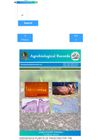
December 2020 in “Agrobiological records” This review discusses the antidiabetic potential of indigenous plants in Pakistan and reports no clinical results, highlighting various bioactive compounds for managing diabetes.
6 citations
,
December 2021 in “Journal of Cancer Research and Therapeutics” In this study, induction nab-paclitaxel plus cisplatin, combined with nimotuzumab and IMRT, followed by S-1 adjuvant chemotherapy, showed excellent survival benefits with tolerable toxicities for stage N3 nasopharyngeal carcinoma patients.
 May 2026 in “Zenodo (CERN European Organization for Nuclear Research)”
 In this study, researchers developed a polyherbal antidandruff shampoo using medicinal plant extracts and found it exhibited significant antioxidant and antimicrobial properties, including activity against bacteria and fungi linked to scalp infections, suggesting it as a natural alternative to synthetic shampoos.
 September 2024 in “Cutis”
 This study reached a consensus among experts on the most important diversity, equity, and inclusion topics for dermatology residency curricula, suggesting integration may enhance patient care for diverse populations.
January 2006 in “Durham e-Theses (Durham University)” This study reports for the first time on the expression patterns of Id2 and Id3 proteins in developing hair follicles, suggesting a significant role for these proteins in hair follicle development and epithelial-mesenchymal interactions.
 April 2019 in “International research journal of pharmacy”
 This study found that a 50% ethanolic extract of Adiantum capillus had significant analgesic and anti-inflammatory effects in animals, particularly at the highest tested dose of 300 mg/kg.
66 citations
,
May 2002 in “The Plant Journal” This study identified a mutant in Arabidopsis with shorter root hairs due to early growth cessation, implicating the IRE gene in regulating root hair growth duration.
May 2024 in “Regenerative Therapy” This laboratory study found that dendrobium officinale polysaccharide (DOP) stimulated hair follicle and hair growth in mice by activating the WNT signaling pathway.
 12 citations
,
January 2016 in “Journal of Orofacial Orthopedics / Fortschritte der Kieferorthopädie”
12 citations
,
January 2016 in “Journal of Orofacial Orthopedics / Fortschritte der Kieferorthopädie” This study identified a novel mutation in the EDA gene, which may impair protein stabilization and be involved in the development of oligodontia and mild ectodermal dysplasia phenotypes.
November 2021 in “Zenodo (CERN European Organization for Nuclear Research)” This study found that among vitiligo patients in south-southern Nigeria, there were significant correlations between digit lengths and digit ratio, but further research is needed due to the small sample size.
9 citations
,
June 2021 in “Journal of Inflammation Research” This study found that Euph E and Euri A showed strong anti-inflammatory activity and modulated cytokine and immune functions in macrophages, related to specific signaling pathways.
 October 2024 in “Cermin Dunia Kedokteran”
 This article discusses the surveillance and spread of hand, foot, and mouth disease in China, Singapore, and Indonesia, and reports no new results, emphasizing the need for improved prevention and management strategies.
 May 2024 in “The journal of investigative dermatology/Journal of investigative dermatology”
 In this study, it was observed that topical application of N,N-Dimethylglycine Sodium Salt significantly increased skin microcirculation and blood flow in human subjects, suggesting potential benefits for skin health and conditions like dermatitis.
January 2026 in “Zenodo (CERN European Organization for Nuclear Research)” This study observed significant hair regrowth and near-complete restoration in a 32-year-old female with Alopecia Areata (Indralupta in Ayurveda) treated over two months with a comprehensive Ayurvedic regimen, suggesting potential effectiveness of these therapies for this condition.
September 2004 in “Experimental Dermatology” This study developed a tissue-engineered model of innervated skin, allowing for examination of how epidermis and capillaries affect nerve growth and offering a tool for further research on skin-related processes.
 July 2025 in “Berkala Ilmu Kesehatan Kulit dan Kelamin”
 This study described the clinical characteristics of 18 pediatric patients with alopecia areata at a hospital in Denpasar from 2021 to 2023, finding equal gender distribution and hair loss as the most common symptom, with onset typically within 1–6 months.
May 2026 in “Chemical Engineering Journal”  9 citations
,
October 2022 in “Nature Communications”
9 citations
,
October 2022 in “Nature Communications” In this study, researchers developed a new photoactivatable Cre recombinase mouse model, DiLiCre, which allows precise light-induced genetic modifications and cell tracing, demonstrating its effectiveness for advancing biological and biomedical research.
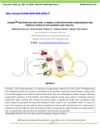 October 2020 in “Journal of bio innovation”
 In this study, DanEra, an herbal hair tonic from Pomegranate and Beetroot extracts, showed equivalent effectiveness to the standard drug Ketoconazole in microbiological tests and provided significant relief from severe dandruff in all volunteers within 10 days.