 December 2023 in “Research Square (Research Square)”
 This study found that IL-4 VNTR intron 3 and TNF-α (rs1799964) gene polymorphisms do not have a significant association with alopecia areata susceptibility in the Egyptian population.
1 citations
,
May 2013 in “Hair transplant forum international” Non-classical 21 hydroxylase deficiency is an underdiagnosed cause of female hair loss and polycystic ovarian syndrome.
 14 citations
,
April 2019 in “Genes”
14 citations
,
April 2019 in “Genes” This study identified a genetic locus associated with coat type in domestic dogs, showing certain variants linked to single-coated breeds and suggesting potential regulatory roles.
 32 citations
,
June 2019 in “Frontiers in Endocrinology”
32 citations
,
June 2019 in “Frontiers in Endocrinology” This review discusses the overlapping clinical features and diagnostic challenges of non-classic adrenal hyperplasia and polycystic ovary syndrome without presenting original research findings.
7 citations
,
October 2023 in “BMC Genomics” In this study, researchers used transcriptome sequencing to identify various noncoding RNAs in the skin tissues of Jiangnan cashmere goats and found that certain long noncoding RNAs may play a role in regulating cashmere fiber fineness, offering new insights for breeding programs.
 July 2026 in “Journal of Ovarian Research”
 In this study, researchers used single-cell RNA sequencing to identify seven cell types, including distinct steroidogenic and immune cells, in the tumor microenvironment of a case of ovarian SCT-NOS, providing insights into its cellular heterogeneity and molecular mechanisms related to hyperandrogenism.
 56 citations
,
December 2011 in “Steroids”
56 citations
,
December 2011 in “Steroids” This review discusses the genetics and variable phenotypic expression of nonclassic congenital adrenal hyperplasia, and reports no new clinical results; the authors call for further research on long-term health impacts and treatment strategies.
67 citations
,
September 2001 in “American Journal Of Pathology” This study found that overexpression of the enzyme ornithine decarboxylase in transgenic mice led to UVB-induced skin tumors, but this was prevented by the ODC inhibitor α-difluoromethylornithine.
 22 citations
,
March 2017 in “Scientific reports”
22 citations
,
March 2017 in “Scientific reports” This study investigated the role of NLRP3 inflammasomes in alopecia areata and found that outer root sheath cells may contribute to inflammation by increasing IL-1β and HMGB1 secretion when stimulated with double-stranded RNA.
 24 citations
,
June 2012 in “BMC Research Notes”
24 citations
,
June 2012 in “BMC Research Notes” This study outlines the Human Gene Correlation Analysis tool, which classifies human genes by coexpression levels and identifies overrepresented annotation terms in correlated gene groups, with no new clinical results reported.
 November 2024 in “International Journal of Dermatology”
 This study found that line-field confocal optical coherence tomography correlates well with histopathological and dermoscopic findings in alopecia areata, suggesting it could be a useful diagnostic and monitoring tool for the condition.
1 citations
,
July 2021 in “Forensic science international” This study found that segmental single hair analysis produced ocfentanil concentration profiles similar to those from hair lock analysis, supporting its use in cases with limited samples.
21 citations
,
March 2018 in “American Journal Of Pathology” In this study, it was observed that NIPAL4 mutations linked to autosomal recessive congenital ichthyosis lead to abnormal skin barrier function due to cytotoxic effects disrupting lipid structure and organization, which topical treatments only partially ameliorated.
33 citations
,
March 1994 in “PubMed” This study reported that high ornithine decarboxylase expression and decreased keratin K1 and K10 expression may serve as useful markers for early stages of tumor development in mouse skin.
48 citations
,
June 2000 in “Japanese Journal of Cancer Research” This study found that dimethylarsinic acid significantly accelerates skin tumor development in hair follicle-targeted K6/ODC transgenic mice.
 49 citations
,
January 2010 in “International Journal of Pediatric Endocrinology”
49 citations
,
January 2010 in “International Journal of Pediatric Endocrinology” This review covers the pathophysiology, diagnosis, and treatment of nonclassic congenital adrenal hyperplasia due to P450c21, but it reports no new clinical results.
6 citations
,
November 2022 in “Antioxidants” In this study, sandalore was found to activate OR2AT4, which inhibits senescent cell traits and restores proliferation in human keratinocytes, suggesting potential anti-aging applications.

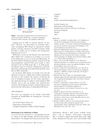
In this case study, a 15-year-old obese boy was diagnosed with acanthosis nigricans and hair casts in the axillae, with Wood's lamp and dermoscopic examination revealing specific features, yet fungal infection was ruled out through a negative KOH test.
 6 citations
,
April 2013 in “International Journal of Dermatology”
6 citations
,
April 2013 in “International Journal of Dermatology” This correspondence describes the dermoscopic features of an osteonevus of Nanta but does not report new clinical findings.
This study suggests that the ANE syndrome mutation in yeast Nop4, analogous to human RBM28, disrupts protein folding and protein-protein interactions, contributing to ribosomal dysfunction.
 1 citations
,
September 2014 in “Hormones”
1 citations
,
September 2014 in “Hormones” This review discusses the manifestations of non-classical congenital adrenal hyperplasia due to 21-hydroxylase deficiency across different life stages, but reports no new findings.
September 2024 in “Journal of the American Academy of Dermatology” 6 citations
,
July 1994 in “Journal of Dermatological Science” This study found that introducing the recombinant rat OTC gene into SPF-ASH mice restored normal hair growth and metabolic function, improving symptoms associated with OTC deficiency.
This case study suggests that obstructive sleep apnea syndrome may be hereditary in patients with connective tissue disorders due to a variant in the COL1A2 gene.
 1 citations
,
April 2021 in “bioRxiv (Cold Spring Harbor Laboratory)”
1 citations
,
April 2021 in “bioRxiv (Cold Spring Harbor Laboratory)” This study identified the NAC transcription factor RD26 as a critical regulator of drought-induced root hair growth restriction in Arabidopsis thaliana, with a similar mechanism observed in tomatoes, indicating evolutionary conservation.
 25 citations
,
August 2010 in “Journal of Biological Chemistry”
25 citations
,
August 2010 in “Journal of Biological Chemistry” This study found that NFI-C plays a crucial role in the transition from the telogen to anagen phase of the hair follicle cycle, affecting hair growth initiation in mice.
26 citations
,
January 1992 in “Carcinogenesis” This study suggests that chronic treatment with TPA in mouse skin selectively expands a keratinocyte subpopulation hyperinducible for ODC, which may be a key target for neoplastic transformation.
 September 2014 in “Proceedings of SPIE, the International Society for Optical Engineering/Proceedings of SPIE”
 This study found that high-speed optical coherence tomography may be a promising non-invasive tool for analyzing human hair conditions.
8 citations
,
August 2014 in “Biochemical and Biophysical Research Communications” The study found that over-expressing ornithine decarboxylase in the outer root sheath of the hair follicle in mice increases UVB-induced tumor growth and invasive squamous cell carcinoma compared to inter-follicular epidermal keratinocytes.
 January 2023 in “Indian dermatology online journal”
 This case report describes a novel NECTIN4 gene mutation linked to ED-syndactyly syndrome 1 in a young girl, contributing to the understanding of this rare ectodermal dysplasia.