In this study, cepharanthine and tetrandrine demonstrated efficacy against SARS-CoV-2 in a cell-based infection assay, with cepharanthine showing a lower IC50 value.
 January 2020 in “Nasza Dermatologia Online”
 A mixture of Dijon mustard, turmeric powder, and linseed oil can effectively treat alopecia barbae.
June 2026 in “Pediatric Drugs” This study analyzed systemic treatment patterns in 262 French children with severe alopecia areata, finding that while intravenous corticosteroids were most commonly used initially, treatment effectiveness appeared limited with frequent relapses and a need for prolonged therapy, but without serious adverse events.
 May 2026 in “Scientific Reports”
 This study found that a bioactive borosilicate glass containing Sr and Cu ions exhibited promising mechanical strength, biocompatibility, and antibacterial activity, particularly the CuSr-1 wt.% composition, suggesting potential for use in orthopedic implants and bone tissue engineering.
 February 2026 in “Dermatology Reports”
 This review found that Rosmarinus officinalis (rosemary) leaf extract significantly increased hair density and thickness in patients with androgenetic alopecia, suggesting it may be a promising natural alternative for hair loss treatment with fewer side effects than conventional therapies.
 December 2025 in “Scientific Reports”
 In this laboratory study, α-mangostin was found to significantly reduce melanin content and downregulate pigmentation-related genes in cultured skin and B16F10 cells, suggesting potential application as a natural whitening agent in sunscreen development.
November 2025 in “Journal of Clinical Practice and Medical Research” This study analyzed techniques to create the popular "sun-kissed" hair look on dark-to-medium blonde (Level 5–6) tones, concluding that a 2–3 level differential, targeted placement across three cranial zones, and acidic glossing are essential for optimal results.
November 2025 in “Cosmetics” This study evaluated a levan-based polysaccharide, POLEVAN®, in shampoo formulations and reported that it significantly increased hair glossiness by 24%, allowed a reduction of surfactant content by up to 50% without affecting foam, and maintained scalp moisturization similar to hyaluronic acid in a clinical setting.
July 2025 in “Journal of Integrated Health Sciences” In this study, a 32-year-old female with alopecia areata experienced significant symptom relief after receiving traditional Ayurvedic treatments, including Virechana, Pracchana, and Rasayana therapies, alongside external application of Chakramarda. The protocol was reported to be simple, cost-effective, and highly efficacious.
 June 2025 in “Pharmacon Jurnal Farmasi Indonesia”
 This systematic review found that mangkokan leaf formulations, especially ethosomal gel or phytosome lotion at 25% concentration, were most effective in stimulating hair growth and improving hair health through various biological mechanisms.

In this clinical trial, rosemary-lavender and rosemary-castor oils were found to significantly improve hair growth rate, thickness, density, length, and reduce hair fall compared to coconut oil over 90 days, indicating they may be effective natural alternatives for hair regrowth.
 April 2025 in “International Journal of Health Sciences”
 This study reports that Polyscias scutellaria exhibits diverse pharmacological activities, including antibacterial, antifungal, anti-inflammatory, antioxidant, and antidiabetic properties, suggesting potential therapeutic uses in various health applications.
 February 2025 in “International Urology and Nephrology”
 In this study, mild improvements in erectile function, penile sensitivity, and nocturnal erections were observed in male patients with post-drug syndrome following a 16-week treatment targeting the peripheral nerves of the genitalia, but significant symptoms persisted, indicating further research is essential.
 January 2025 in “Annals of Dermatology”
 In this nationwide cross-sectional study, researchers found that COVID-19 vaccination was associated with an increased risk of hair loss disorders, including total alopecia, alopecia areata, and telogen effluvium, while no significant link was observed between COVID-19 infection and these conditions.
 January 2025 in “International Journal of Pharmacognosy and Life Science”
 In this review, researchers highlighted the potential benefits of using herbal remedies, such as Aloe vera, Bhringraj, Neem, Tea tree oil, Amla, and Hibiscus, for treating various hair problems like dandruff, scalp infections, and premature greying, suggesting natural alternatives to traditional hair treatments.
 October 2024 in “International Journal For Multidisciplinary Research”
 This review highlights that Wedelolactone, a compound in Eclipta prostrata, appears to be a potent antioxidant and selective modulator of proteins linked to chronic diseases, suggesting further research into its pharmacological effects is warranted according to the examined data.
In this laboratory study, the methanolic extract of Eclipta alba demonstrated significant anthelmintic activity against earthworms (Pheretima posthuma), causing paralysis and death at doses of 50-100 mg/ml, with stronger effects observed at higher concentrations compared to the standard treatment, albendazole.
July 2024 in “Journal of Investigative Dermatology” Pediatric patients with dystrophic epidermolysis bullosa face more hospital admissions, procedures, and complications than others.
April 2024 in “Surgical Techniques Development” This article describes the significance of the Italian Association of Plastic Aesthetic Surgery's annual congress in European aesthetic plastic surgery, but reports no new research findings.
April 2024 in “Journal of the American Academy of Dermatology”  March 2024 in “Journal of biobased materials and bioenergy”
 In this study, tea tree oil was found to have substantial antibacterial activity and promote proliferation and migration of hair follicle stem cells in vitro, indicating potential benefits for treating scalp alopecia areata.
 January 2024 in “Zenodo (CERN European Organization for Nuclear Research)”
 This study formulated and tested a new herbal hair oil combining fenugreek and aloe vera, reporting enhanced hair growth, effective dandruff protection, and a glossy finish, outperforming a marketed product while having minimal side effects.
 January 2024 in “Zenodo (CERN European Organization for Nuclear Research)”
 This study formulated and evaluated a pure herbal hair oil using fenugreek seeds and aloe vera, reporting that the oil effectively promotes robust hair growth, offers anti-fungal and anti-dandruff properties, and enhances hair glossiness, surpassing the efficacy of existing marketed products.
January 2024 in “Faculty of 1000 Research Ltd” In this study, researchers at Muhimbili National Hospital observed that pediatric cancer patients undergoing chemotherapy frequently experienced adverse drug reactions, such as nausea and vomiting, hair loss, and neutropenia, despite drug prescribing patterns aligning with the essential medicine list.
 October 2023 in “Journal of Advanced Sciences”
 This review highlights PRF's potential as a regenerative medicine tool, detailing its diverse applications in dentistry, orthopedics, and dermatology, but presents no new clinical results.
 July 2023 in “Plastic and Aesthetic Nursing”
 Biotin and collagen may help improve hair health.
January 2023 in “ResearchSpace (University of KwaZulu-Natal)” Hair extensions help Black women express identity and cultural heritage.
October 2022 in “Journal of Natural Fibers” 
This study found that sarcoptic mange significantly decreased vicuña and guanaco populations in San Guillermo National Park, Argentina, likely originating from mange-infected llama introduced nearby, raising the risk of local extinction.
 January 2020 in “Asian Journal of Basic Science & Research”
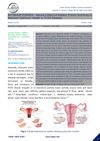
 This review discusses the role of Nutrease powder in managing hormonal disturbances in polycystic ovary syndrome and reports no new clinical results.