13 citations
,
August 2007 in “Journal of Investigative Dermatology” Mouse hair can regrow in a special lab setup without serum.
October 2020 in “Plastic Surgery” This study found that topical transplantation of green fluorescent protein-labeled bone marrow mesenchymal stem cells significantly improved regeneration of deeper wounds, with increased blood vessel formation, compared to control in a rat model.
 January 2018 in “Online Publication Service of Würzburg University (Würzburg University)”
 This study found that donor age and culture medium significantly impact the quality of human full-thickness skin models, with implications for their use as animal model alternatives in research.
 1 citations
,
April 2020 in “Asian Journal of Medicine and Biomedicine”
1 citations
,
April 2020 in “Asian Journal of Medicine and Biomedicine” This article reports a case of hair tourniquet syndrome in a child's toe, successfully treated surgically, and emphasizes the need for healthcare providers to be aware for early detection and treatment.
49 citations
,
September 2004 in “Journal of the European Academy of Dermatology and Venereology” This study found that careful light microscopy using fluid-mounted hair improves detection of the pili annulati phenotype, which varies widely in expression and affects hair fragility.
 March 2023 in “Journal of pharmacognosy and phytochemistry”
 This study identified numerous nutraceutical components in unripe fruits of three Musa species, potentially valuable for developing pharmaceuticals that promote human health.
39 citations
,
June 2018 in “Burns” This study found that the spiny mouse can regenerate tissues such as skeletal muscle, dermis, and hair without scarring after full thickness thermal burns, unlike the lab mouse.
28 citations
,
December 2001 in “European Journal of Pharmacology” This study found that the compound M50054 inhibits apoptosis by blocking caspase-3 activation and may improve chemotherapy-induced alopecia and hepatitis symptoms.
29 citations
,
April 1997 in “Developmental Dynamics” This study found that topical trypsin application after hair removal in mice led to cell death at the follicular papilla, which delayed hair growth and pigmentation.
15 citations
,
August 2010 in “Annals of saudi medicine/Annals of Saudi medicine” This case report describes a 4-month-old infant with hair tourniquet syndrome affecting her toes, where prompt removal of the constricting hairs led to rapid recovery without tissue damage.
 31 citations
,
April 2018 in “Royal Society open science”
31 citations
,
April 2018 in “Royal Society open science” This study found that mange-infected bare-nosed wombats have increased heat loss, higher metabolic rates, altered behavior, and disrupted fatty acid composition compared to healthy individuals.
 5 citations
,
July 2019 in “Photodiagnosis and photodynamic therapy”
5 citations
,
July 2019 in “Photodiagnosis and photodynamic therapy” This study reports a case of a 59-year-old female with refractory follicular mucinosis and diffuse scalp alopecia who achieved complete clinical remission following treatment with a combination of topical tacalcitol and photodynamic therapy.
 9 citations
,
March 2019 in “Science”
9 citations
,
March 2019 in “Science” Blocking cell death in certain stem cells can improve wound healing and tissue regeneration.

This study suggests that holes found in mature hair fibers may be linked to daily hair care actions and the removal of extractable substances.
8 citations
,
September 2011 in “Scanning” This study found that multiphoton microscopy effectively visualizes the microstructure of in vivo mouse skin, offering a clear view of various skin layers and components like corneocytes and collagen fibers.
5 citations
,
May 2009 in “American Journal of Dermatopathology” This case report describes an unusual trichofolliculoma in a 54-year-old man, notable for its prominent mucinosis, which is typically not as abundant in such tumors.
 47 citations
,
November 2012 in “Wound repair and regeneration”
47 citations
,
November 2012 in “Wound repair and regeneration” This study found that grafting split-thickness human skin onto nude mice produces scars that mimic hypertrophic scar characteristics in humans, offering a useful model for studying scar formation and treatments.
7 citations
,
July 2023 in “International Journal of Molecular Sciences” In this study, human nucleus pulposus cells treated with hyaluronic acid showed increased proliferation and reduced oxidative stress compared to those treated with EDTA-PBS, suggesting a potential role for hyaluronic acid in enhancing intervertebral disc therapy.
6 citations
,
February 2002 In this study, the bark of Spondias mombin showed potential anti-tumor effects in rats with induced cancer, reducing symptoms like hair loss and low food intake, but tachycardia was noted as a possible side effect.
 5 citations
,
November 2002 in “Aesthetic Plastic Surgery”
5 citations
,
November 2002 in “Aesthetic Plastic Surgery” This study observed that micrografts stored at -20°C maintained their morphological structure better than those stored at 4°C, potentially allowing for more efficient hair transplantation procedures.
 March 2026 in “bioRxiv (Cold Spring Harbor Laboratory)”
 In this study, researchers discovered a honeycomb-like structure in the skin of spiny mice that facilitates tissue shedding and regeneration, attributed to a uniquely arranged collagen VI and influenced by spiny hair development.
 May 2025 in “Plastic & Reconstructive Surgery Global Open”
 In this proof-of-concept study, researchers found that hair grafts preserved in preconditioned autologous platelet-rich plasma with photothermal biostimulation and phosphate-buffered saline remained viable for eight hours before transplantation, outperforming saline solution and Ringer's lactate by two hours.
 25 citations
,
June 2021 in “Developmental Cell”
25 citations
,
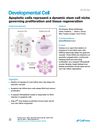
June 2021 in “Developmental Cell” In this study, researchers found that deleting Caspase-9 in hair follicle stem cells delayed apoptosis, leading to accelerated wound repair and new hair follicle regeneration by maintaining apoptotic cells as signaling centers.
13 citations
,
January 1993 in “Archives of dermatological research” In this study, human hair follicles were maintained in a serum-free medium for up to 12 days, revealing detailed histological and ultrastructural changes that suggest possible catagen-like involution mechanisms.
 2 citations
,
January 2011 in “Dermatologica Sinica”
2 citations
,
January 2011 in “Dermatologica Sinica” This case report describes a Taiwanese woman with lipedematous alopecia, highlighting rare mucin deposition as a feature that warrants further investigation.
 3 citations
,
February 2014 in “Advances in Stem Cells”
3 citations
,
February 2014 in “Advances in Stem Cells” This study concluded that placental mesenchymal stem cells from aborted fetal tissue may serve as an in vitro model for studying spontaneous abortion mechanisms and potential regenerative therapies due to their abnormal gene expression and differentiation capabilities.
January 2017 in “대한미용학회지” This study observed that hair follicle cuticular cells undergoing keratinization were significantly thicker than those in a normal hair shaft, due to incomplete loss of cytosol.
 75 citations
,
November 1965 in “Textile research journal”
75 citations
,
November 1965 in “Textile research journal” This study found that papain/bisulfite disintegrates human hair cuticles by dissolving the endocuticle, potentially accelerated by ethanol's removal of cell membrane material.
19 citations
,
March 2020 in “Journal of Functional Foods” This study found that golden silk mature silkworm powder improved cognition and neuron proliferation in mice, potentially by enhancing mitochondrial function and countering scopolamine-induced amnesia.
5 citations
,
August 2021 in “STAR Protocols” This article outlines a protocol for scanning electron microscopy of murine skin and primary keratinocyte monolayers, providing a guide for sample preparation and examination.