37 citations
,
November 2019 in “Journal of Microbiology and Biotechnology” This study found that loliolide enhanced hair growth-related functions in 3D dermal papilla spheroids by activating AKT/β-catenin signaling pathways, with increased expression of related growth factors and genes.
24 citations
,
February 2022 in “Journal of Biological Chemistry” This study found that carvacrol activates the TRPV3 ion channel by binding to a specific pocket formed by the S2-S3 linker, providing insight into its role in skin sensitization and potential for designing specific modulators.
3 citations
,
July 2023 in “Biomolecules” This study reports that some human cell surface HLA-I molecules (including HLA-B27) can appear without their usual peptide component, potentially altering immune interactions, influencing arthritis development in specific mice models, and exhibiting upregulation in certain cancer cells.
1 citations
,
June 2025 in “Journal of Cellular and Molecular Medicine” This study explored the role of plant-derived monomers in reversing grey hair, finding that compounds like fraxinol and morin may stimulate melanin production and tyrosinase activity, suggesting potential therapeutic benefits, although further evaluation of their safety and efficacy is needed.
3 citations
,
November 2021 in “Protein and Peptide Letters” This review discusses the structural and functional aspects of β-thymosin in invertebrates and reports no new experimental findings.
September 2004 in “Evidencia actualizacion en la práctica ambulatoria” This study found that the combination of finasteride and doxazosina was more effective in reducing the long-term progression of benign prostatic hyperplasia compared to monotherapy.
This study investigated the safety and efficacy of IV iron maltoside 1000 in treating iron-deficiency anemia among children with IBD and found a significant increase in hemoglobin levels by 6 weeks, maintained for up to a year, with minimal side effects reported.
 45 citations
,
February 2018 in “Journal of basic and clinical physiology and pharmacology/Journal of basic & clinical physiology & pharmacology”
45 citations
,
February 2018 in “Journal of basic and clinical physiology and pharmacology/Journal of basic & clinical physiology & pharmacology” This review summarizes the ethno-medicinal uses, phytochemical constituents, and biological activities of Acorus calamus, highlighting its potential therapeutic benefits and the importance of further scientific work on this plant.
 27 citations
,
February 2017 in “Clinical, Cosmetic and Investigational Dermatology”
27 citations
,
February 2017 in “Clinical, Cosmetic and Investigational Dermatology” In this study, a topical formulation with compounds from the monoterpenoid family significantly improved hair growth indicators like anagen:telogen ratio, hair fall, and visual hair density in men and women with pattern hair loss.
 5 citations
,
November 2017 in “Asian journal of pharmaceutical and clinical research”
5 citations
,
November 2017 in “Asian journal of pharmaceutical and clinical research” This study found that water fractions of Angiopteris evecta stimulated hair growth in male rabbits, suggesting potential alopecia treatment benefits pending further research in humans.
January 2026 in “Chemistry & Biodiversity” This study found that the chemical composition and biological activity of Platycladus orientalis fruit extracts varied with the extraction method, revealing potent antioxidant and enzyme inhibitory properties, particularly in the n-hexane extract, which suggests potential applications for managing dysregulated enzyme conditions.
 December 2025 in “Sains Medisina”
 This review identified 12 herbal plants producing essential oils with pharmacological activities that stimulate hair growth, potentially through enhanced scalp microcirculation, inhibition of 5α-reductase, anti-inflammatory and antioxidant effects, anagen phase stimulation, and increased dermal papilla cell proliferation.
January 2014 in “The Scientific Issues of Ternopil Volodymyr Hnatiuk National Pedagogical University Series pedagogy” This study found that an ointment containing essential oil of yarrow floodplain shows a pronounced healing effect and stimulates hair growth on damaged skin.
December 2012 in “한국피부미용향장학회지” This study suggests that aroma oils categorized by scalp type have similar chemical compositions, potentially enhancing their effectiveness in aromatherapy for scalp issues.
 July 2023 in “Dermatology and therapy”
 In patients with alopecia areata, this study found elevated levels of venous thromboembolism markers SFMC and F1 + 2 compared to healthy controls, potentially indicating an increased risk for this condition.
2 citations
,
September 2018 in “Walailak Journal of Science and Technology (WJST)” This study found that Thuja orientalis fruits have higher monoterpene, flavonoid, phenolic content, and antioxidant activity than leaves, suggesting potential value for the pharmaceutical industry.
36 citations
,
March 2005 in “Biotechnology and Bioengineering” This study demonstrated that a novel synthetic amyloid template accelerates the deposition of insulin monomers into amyloid fibrils without a lag time, potentially aiding in vitro screening of amyloid deposition inhibitors.
15 citations
,
July 2022 in “Frontiers in Pharmacology” This study suggests that Cepharanthine, a monomer in traditional Chinese medicine, may help treat COVID-19 by affecting multiple signaling pathways, and that TNF and IL-17 inhibitors used in rheumatoid arthritis, ankylosing spondylitis, and gouty arthritis might also be beneficial.
 24 citations
,
July 2017 in “Structure”
24 citations
,
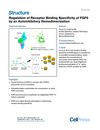
July 2017 in “Structure” In this study, researchers found that ligand homodimerization controls the receptor binding specificity of the FGF9 subfamily, preventing off-target activation of FGFR "b" isoforms.
July 2025 in “Nutrición clínica y dietética hospitalaria/Nutrición clínica, dietética hospitalaria” This study reviewed various supplements for treating androgenetic alopecia and found that Serenoa repens shows the strongest evidence for use as a single treatment, while ketoconazole may help as an adjunct. Other supplements like zinc, vitamin D, and biotina are not recommended unless deficiencies exist.
 9 citations
,
October 2012 in “Natural Product Communications”
9 citations
,
October 2012 in “Natural Product Communications” This study analyzed the essential oil from Chamaecyparis lawsoniana and found that it is rich in limonene and exhibits antibacterial and antifungal properties, particularly against Candida albicans and certain Gram-positive bacteria.
227 citations
,
January 1998 in “Journal of biological chemistry/The Journal of biological chemistry” This study suggests that the residues Val-889 and Arg-752 in the androgen receptor steroid binding domain are crucial for the intermolecular interaction necessary for receptor dimerization and function.
110 citations
,
April 2009 in “Cell Motility and the Cytoskeleton” This review discusses the intracellular activity of β-thymosins and their role in modulating the actin cytoskeleton, but it reports no new experimental results.
 16 citations
,
September 2018 in “Journal of Molecular Liquids”
16 citations
,
September 2018 in “Journal of Molecular Liquids” This study investigated a nanostructured system using PS-b-PAA diblock copolymer for incorporating the hydrophobic photosensitizer ClAlPc, finding it effective in causing cellular damage in Caco-2 cells under light while demonstrating no cytotoxicity without light, suggesting its potential use in photodynamic therapy.
2 citations
,
July 2021 in “UNC Libraries” This study suggests that residues Val-889 and Arg-752 in the androgen receptor's steroid binding domain are crucial for NH2-/carboxyl-terminal interaction, affecting receptor stability and function.
 July 2020 in “bioRxiv (Cold Spring Harbor Laboratory)”
 This study reports that structural and biochemical analysis of steroid 5α-reductases clarifies how they mediate steroid reduction with NADPH, potentially aiding in designing targeted therapies.
 September 2013 in “Science”
 The document concludes that human astrocytes aid stroke recovery, research confidence affects student career aspirations, collagen affects cancer spread, a microRNA suppresses brain cancer growth, calmodulin regulates water channels, and small magnesium pieces deform differently.
 September 2013 in “Science”
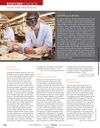
 Human stem cells can aid stroke recovery, research experiences boost students' career aspirations, minoxidil may reduce cancer spread, a molecule can slow tumor growth, a protein affects water flow in cells, magnesium behaves differently at tiny scales, and a new method detects slow-moving objects.
 3 citations
,
February 2009 in “Journal of The European Academy of Dermatology and Venereology”
3 citations
,
February 2009 in “Journal of The European Academy of Dermatology and Venereology” Sparse hairs below frontal hairline can indicate early male balding.
 79 citations
,
March 1999 in “The journal of investigative dermatology/Journal of investigative dermatology”
79 citations
,
March 1999 in “The journal of investigative dermatology/Journal of investigative dermatology” This study found that procyanidin oligomers, particularly dimers and trimers, significantly promoted hair growth in mice and hair epithelial cell cultures, suggesting potential use as hair growth agents.