June 2025 in “British Journal of Dermatology” This study compared oral tofacitinib and methotrexate in treating moderate-to-severe alopecia areata, finding that tofacitinib was more effective at reducing SALT scores and improving scalp hair assessment PRO scores, though both treatments reduced psychological distress similarly without serious adverse effects.
 15 citations
,
October 2010 in “Archives of Toxicology”
15 citations
,
October 2010 in “Archives of Toxicology” This study found that the yeast androgen screen (YAS) could detect the activity of methyltestosterone in urine for a longer period than classical GC/MS, potentially identifying long-lasting metabolites.
 3 citations
,
August 2021 in “Journal of Investigative Dermatology”
3 citations
,
August 2021 in “Journal of Investigative Dermatology” Baricitinib was more effective than a placebo in regrowing hair in adults with alopecia areata after 36 weeks.
 April 2023 in “Journal of the American Academy of Dermatology”
 This study aimed to evaluate the outcomes of switching between two JAK inhibitors, tofacitinib and baricitinib, in treating alopecia areata, due to the lack of data on their comparative efficacy.
 November 2023 in “Indian Dermatology Online Journal”
 This study found that tofacitinib was safe and effective for patients with severe or treatment-resistant alopecia areata, alopecia totalis, and alopecia universalis, resulting in significant hair regrowth for most participants.
4 citations
,
September 2025 in “Journal of the American Academy of Dermatology” August 2009 in “PHARMACY: Jurnal Farmasi Indonesia (Pharmaceutical Journal of Indonesia)” This study concluded that ethanolic extract of Morinda may enhance hair growth in male rabbits.
10 citations
,
April 1964 in “Journal of the American Geriatrics Society” This article reviews triamcinolone acetonide as an intramuscular long-acting steroid therapy for dermatologic disorders but reports no new clinical results.
 January 2024 in “Jurnal Ilmiah Ibnu Sina (JIIS) Ilmu Farmasi dan Kesehatan”
 In this study, researchers developed a hair tonic using shallots (Allium cepa L.) and found that its F2 formulation was as effective as the positive control in promoting hair growth on the 21st day and remained stable over 28 weeks of testing.
 January 2025 in “il Diabete”
 This study explores potential strategies for targeted drug delivery specifically to pancreatic beta-cells in type 2 diabetes treatment, highlighting methods for inducing drug expression in beta-cells, suitable drug carriers, active targeting peptides, and optimal administration routes.
14 citations
,
January 2025 in “Journal of Dermatological Treatment” In this multicenter retrospective study, 61.5% of Italian patients with severe alopecia areata achieved significant hair improvement after 52 weeks of treatment with baricitinib, with no major safety issues reported, indicating long-term effectiveness in a real-world setting.
December 2018 in “Jurnal Farmamedika (Pharmamedica Journal)” This study found that a combination of ethanol extract from watermelon white skin and liquid from kepok banana tree trunk resulted in greater hair growth length in rats compared to Minoxidil.
 November 2025 in “SKIN The Journal of Cutaneous Medicine”
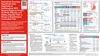
 This phase 3 trial found that over 50% of adolescents with severe alopecia areata achieved successful hair regrowth after 52 weeks on baricitinib 4-mg, with no new safety concerns reported compared to existing safety profiles.
 68 citations
,
September 2003 in “British Journal of Dermatology”
68 citations
,
September 2003 in “British Journal of Dermatology” This study found that in thin cutaneous melanomas, tumor regression is associated with a higher risk of sentinel lymph node involvement.
This article lists the clinically important interactions and skin reactions of several drugs and substances, including THA, FK506, tamoxifen, tamsulosin, tartrazine, tea tree oil, temazepam, and temozolomide, but provides no new clinical results.
 16 citations
,
April 2022 in “PLoS ONE”
16 citations
,
April 2022 in “PLoS ONE” This study identified a set of tumour-suppressive microRNAs (miRNAs), termed 'normomiRs', that are highly expressed in normal tissues but low in tumors, with miR-206 and miR-381 showing significant in vitro cancer inhibition, highlighting their potential for miRNA-replacement therapies across multiple cancer types.
1 citations
,
August 2019 In this study, a hair tonic formulation with 25% ethanol extract of mangkokan leaves showed effectiveness in promoting hair growth, as measured by significant differences in hair length and weight compared to the control.
January 2007 in “Frontiers in Medicine” This study found that tofacitinib was an effective and better-tolerated treatment for moderate-to-severe AA compared to SCs, though its efficacy decreased in patients with disease episodes longer than two years.
 8 citations
,
March 2019 in “Drugs - Real World Outcomes”
8 citations
,
March 2019 in “Drugs - Real World Outcomes” This study reported that while general patient characteristics and adverse event incidence for eribulin were comparable between a healthcare claims database and post-marketing surveillance, significant differences in some side effects such as neutropenia were observed.
2 citations
,
May 2022 in “Advanced therapeutics” This study reported that a novel vasodilator drug called TOP-M119, when delivered using a specially designed dissolving microneedle system, showed enhanced targeting of hair follicles and effectiveness in treating alopecia, demonstrated through in vitro, ex vivo, and in vivo studies involving mouse skin.
 November 2020 in “Dubai medical journal”
 This case report described a 24-year-old with alopecia totalis who saw full scalp hair regrowth by the 9th month while using oral tofacitinib, which was well-tolerated and did not show serious adverse effects. Longer-term studies are needed to confirm its overall effectiveness for alopecia totalis.
62 citations
,
March 2017 in “Journal of Investigative Dermatology” Mutations in the ACTB gene cause Becker’s nevi and may lead to muscle issues in Becker’s nevus syndrome.
 4 citations
,
March 2019 in “Biodiversitas Journal of Biological Diversity”
4 citations
,
March 2019 in “Biodiversitas Journal of Biological Diversity” In this study of duku trees along the Batanghari River in Indonesia, researchers identified traits in mother trees that may help select for resistance to stem canker disease.
8 citations
,
September 2013 in “Molecular carcinogenesis” This study found that rapamycin effectively inhibits TPA-induced keratinocyte proliferation and skin tumor promotion by targeting mTORC1 signaling in both wild-type and transgenic mice.
December 2011 in “Thorax” In this study, researchers reported that individuals from iodine-deficient regions have an increased risk of developing hypothyroidism from MDR-TB treatment regimens containing PAS and/or Prothionamide.
October 2024 in “Endocrinology Insights” In this study, researchers found that both the EU-TIRADS and Bethesda systems exhibited high specificity but suboptimal sensitivity for predicting thyroid nodule malignancy in patients who underwent surgery, with Bethesda system showing particularly high specificity in this postoperative population.
 January 2024 in “Revista de la Asociación Colombiana de Dermatología y Cirugía Dermatológica/Revista de la Asociacion Colombiana de Dermatologia y Cirugia Dermatologica”
 This case report highlights the successful treatment of alopecia areata universalis with Baricitinib, suggesting potential long-term effectiveness of janus kinase inhibitors for this autoimmune hair loss condition.
 November 2024 in “SKIN The Journal of Cutaneous Medicine”
 This study found extensive real-world and clinical trial exposure to baricitinib across various disease states, ages, and racial populations, contributing data to its overall profile.

This study found that combining AMD3100 and low-dose FK506 significantly improved and accelerated the healing of diabetic wounds in rats, suggesting a promising therapeutic approach for wound care in diabetes.
 March 2005 in “Inpharma Weekly”
 China approved Sinovac's flu vaccine, Japan approved RiUP for female hair loss, and Nippon Kayaku's three cancer drugs.