July 2025 in “OPAL (Open@LaTrobe) (La Trobe University)” In this study, researchers developed a novel method using ultrasound stimulation and a hydrogel delivery system to enhance the regenerative effects of stem cell-derived extracellular vesicles on severe skin injuries, resulting in improved healing and hair follicle regeneration in a mouse model.
 August 2024 in “Skin Appendage Disorders”
 This study presents the first reported case of cutis verticis gyrata resulting from long-term, high-concentration topical minoxidil use for treating male androgenetic alopecia, highlighting a potential link to insulin-like growth factor effects.
43 citations
,
May 1999 in “Journal of Biological Chemistry” This study found that full-length Agouti protein modulates melanocortin receptor signaling through a dual mechanism involving competitive antagonism and receptor down-regulation, whereas the carboxyl-terminal fragment acts solely as a competitive antagonist.
 June 2022 in “Indian journal of clinical and experimental opthalmology”
 This case report details the ocular complications of Hutchinson-Gilford Progeria syndrome in a 20-year-old Bangladeshi patient, highlighting symptoms like dry eyes, Meibomian gland dysfunction, and cataracts.
 January 2025 in “Yonsei Medical Journal”
 The study found that a novel mixture of mastic gum and peppermint extract increased hair growth and gloss in C57BL/6 mice, showing potential as a botanical alternative for promoting hair health.
 28 citations
,
July 2015 in “American Journal of Clinical Dermatology”
28 citations
,
July 2015 in “American Journal of Clinical Dermatology” This study found a higher prevalence of metabolic syndrome in patients with lichen planus, especially those with mucosal involvement, which is associated with increased cardiovascular and diabetes risk.
12 citations
,
July 2011 in “Experimental Dermatology” This study found that mEGF ethosomal delivery systems mainly penetrated mice skin through the pilosebaceous unit and successfully induced hair follicles to transition from the telogen to anagen phase.
 November 2024 in “Communities in ADDI (University of the Basque Country)”
 Antisense oligonucleotides show promise for treating Myotonic Dystrophy type I.
 4 citations
,
May 2018 in “International Journal of Molecular Sciences”
4 citations
,
May 2018 in “International Journal of Molecular Sciences” This review discusses genetically-engineered mouse models for studying melanocytes and reports no new experimental findings; it emphasizes their potential to address unanswered questions in melanoma biology.
 October 2024 in “Journal of Cutaneous Immunology and Allergy”
 This case report describes a successful treatment of sarcoidal foreign body reactions caused by permanent makeup ink with local steroid injections, while also identifying the involvement of M2 macrophages in the reaction.
April 2019 in “Journal of the Endocrine Society” This study found that in male mouse pancreatic islet β cells, testosterone enhances glucose-stimulated insulin secretion by being locally converted into dihydrotestosterone and estradiol.
 18 citations
,
October 2005 in “International Journal of Pharmaceutics”
18 citations
,
October 2005 in “International Journal of Pharmaceutics” This study found that incorporating 0.5% TPGS into topical minoxidil solutions enhanced hair growth in mice, although increasing TPGS to 2% decreased effectiveness.
 8 citations
,
November 1990 in “Archives of Dermatology”
8 citations
,
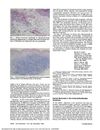
November 1990 in “Archives of Dermatology” This case report details a woman with eosinophilia-myalgia syndrome associated with L-tryptophan ingestion, highlighting skin lesions with abundant dermal mucin.
 1 citations
,
May 2023 in “Frontiers in endocrinology”
1 citations
,
May 2023 in “Frontiers in endocrinology” The researchers reported that the novel MBTPS2 variant p.Glu172Asp found in a male proband is likely pathogenic, consistent with osteogenesis imperfecta symptoms and molecular signatures, including disrupted fatty acid metabolism and collagen production.
June 2019 in “Journal of Hypertension” This study found that magnesium deficiency in rats led to elevated diastolic blood pressure and altered vascular responses, although the mechanisms remain unclear.
August 2025 in “International Journal of Biochemistry Research & Review” In this study, G. brevis and M. myristica, alone or together, improved hematological and testicular antioxidant parameters in male rats with finasteride-induced reproductive toxicity, showing potential protective effects against oxidative stress and supporting therapeutic use for related male reproductive disorders.
September 2022 in “Indian Journal of Paediatric Dermatology” This case report documents the first confirmed mutation-proved instance of Clouston syndrome in a large Chinese-Malaysian family, linked to the c.263C>T (A88V) mutation in the GJB6 gene, with no available treatment but highlighting the importance of genetic counseling.
2 citations
,
April 2013 in “PubMed” This review discusses non-motor symptoms in autoimmune myasthenia gravis and associated thymomas, highlighting abnormal T-cell clones as a contributing factor, but reports no new clinical results.
February 2025 in “Proceedings of the National Academy of Sciences” Only Deomyinae rodents can regenerate complex tissues.
September 2017 in “The journal of investigative dermatology/Journal of investigative dermatology” The researchers reported that TGM2 appears to play a crucial role in sebocyte differentiation and may act as a negative regulator of lipid metabolism in sebaceous glands.

This study presents a two-photon imaging method to visualize low-threshold mechanoreceptor axon terminals in live mouse forepaw skin, enabling repeated high-resolution imaging to study sensory circuits during development and adulthood.
February 2023 in “Medicine in novel technology and devices” This study found that microneedle delivery of Polygonum multiflorum extract led to earlier pigmentation and hair regrowth in mice with androgenetic alopecia.
January 2016 in “Frontiers in Neurology” This study reported that a clinical nutrition program improved sensory loss and maintained symptom improvements in a 60-year-old man with anti-MAG neuropathy over the course of one year.
15 citations
,
March 2023 in “BioMed” This review discusses multisystem inflammatory syndrome in adults (MIS-A) related to SARS-CoV2 and outlines the existing knowledge and unanswered questions, reporting no new clinical results.
 19 citations
,
November 2018 in “Experimental Dermatology”
19 citations
,
November 2018 in “Experimental Dermatology” This review explores the skin regeneration process in spiny mice and highlights differences from laboratory mice, focusing on potential molecular and immune system roles without reporting new experimental results.
 March 2023 in “Journal of pharmacognosy and phytochemistry”
 This study identified numerous nutraceutical components in unripe fruits of three Musa species, potentially valuable for developing pharmaceuticals that promote human health.
 5 citations
,
October 2015 in “The American journal of pathology”
5 citations
,
October 2015 in “The American journal of pathology” This study found that a spontaneous deletion in the Dsg3 gene of mice leads to hypomorphic desmoglein 3 expression, resulting in severe immunodeficiency, cyclic hair loss, and wasting disease, without causing the blistering typical of pemphigus vulgaris.
15 citations
,
December 2013 in “Clinical Cosmetic and Investigational Dermatology” This study found that levels of the protein MAGP-1, important for skin elasticity, decrease with aging and photoexposure, potentially contributing to skin fragility, sagging, and enlarged pores.
 29 citations
,
December 2017 in “Molecular therapy”
29 citations
,
December 2017 in “Molecular therapy” This study found that enzyme replacement therapy in mice with a severe form of classical homocystinuria improved metabolic patterns and alleviated many clinical symptoms.
9 citations
,
April 1985 in “Canadian Journal of Zoology” This study investigated the interdigital glands of moose, detailing their unique green hair coloration and the function of sebaceous and sweat glands, particularly during the rut period.