 1 citations
,
July 1965 in “Postgraduate medicine”
1 citations
,
July 1965 in “Postgraduate medicine” This article reviews common dermatologic diseases and their treatments, suggesting that physicians can effectively manage these conditions using general medical knowledge, but it reports no new clinical results.
 July 2026 in “International Journal of Applied Pharmaceutics”
 This review discusses the dermatological and systemic adverse effects of hair dye use, particularly focusing on the common allergen para-phenylenediamine, and reports no new clinical data.
 May 2026 in “Sudovo-medična ekspertiza”
 This study documented three cases of acute thallium poisoning—one involving accidental overdose and two linked to intentional homicide—characterized by neurological and systemic symptoms, and in severe instances, death, underscoring thallium compounds' significant toxicity.
 May 2026 in “The Scientific Issues of Ternopil Volodymyr Hnatiuk National Pedagogical University Series pedagogy”
 This study conducted a comprehensive analysis of methods for assessing surface roughness, highlighting that contact methods using profilometers provide accurate results for machine parts, while non-contact optical and laser methods offer high precision and efficiency without damaging surfaces.
 May 2026 in “Discover Chemistry.”
 This review presents recent advancements in bio-degradable polymers made through green chemistry, highlighting eco-friendly raw materials and methods, while also identifying challenges and future research areas to enhance their sustainability and commercial viability.
 May 2026 in “International Journal of Homoeopathic Sciences”
 This article explores the use of homeopathy in aesthetic medicine, discussing various remedies like Silicea 30 and Arnica 30 for conditions such as wrinkles and acne, and highlighting their holistic approach targeting underlying causes without reported side effects.
 May 2026 in “International Journal of Nanomedicine”
 This review discusses the promising roles of nanozymes in burn wound treatment, highlighting their broad enzyme-like activities that include antibacterial, anti-inflammatory, and pro-angiogenic effects, along with advantages over traditional treatments such as reduced drug resistance and higher stability.
 March 2026 in “Frontiers in Pharmacology”
 This study highlighted the promising health benefits of taxifolin, a flavonoid with antioxidant, anti-inflammatory, and other protective effects found in foods like onions and milk thistle, though more research is needed to fully understand its mechanisms and safety for human therapeutic use.
 March 2026 in “Food, Nutrition and Health.”
 This review highlights research reporting that oral collagen peptide supplements are effective in enhancing skin elasticity, hydration, and reducing wrinkles, although results vary across studies. Oral supplementation was generally well-tolerated, and further investigation is needed to optimize formulations and explore topical application challenges.
 February 2026 in “Scientific Reports”
 This preclinical study found that Mesenchymal Stem Cell-derived Conditioned Media formulations were safe and effective in rat and mouse models for treating chemotherapy- and radiation-induced oral mucositis, demonstrating improved tissue regeneration and healing, most notably at higher concentrations.
 February 2026 in “International Research Journal of Modernization in Engineering Technology and Science”
 The researchers emphasize the limited scope of existing studies on lip aging, highlighting issues that include collagen loss and the deepening of lip lines with age, and suggesting a need for further research to guide cosmetic and clinical interventions.
 January 2026 in “Frontiers in Reproductive Health”
 Educational efforts can reduce harmful chemical exposure from hair products in pregnant Women of Color.
 January 2026 in “Journal of Ayurveda and Integrated Medical Sciences”
 This study discusses the potential health risks associated with long-term exposure to chemicals in cosmetics, like cancer and reproductive disorders, and examines Ayurvedic remedies that may mitigate these effects by countering a type of reduced potency poison known as Dushivisha.
 January 2026 in “Nanoscale Advances”
 This review provides an overview of microneedle-assisted photomedicine, detailing diagnostic and therapeutic strategies, design principles, and challenges for translating this approach to skin disease management.
 January 2026 in “Food and Feed Research”
 This review highlights the traditional medicinal uses, phytochemical composition, and pharmacological properties of Musa paradisiaca, noting its applications in treating diarrhea and other conditions, and identifying key bioactive compounds with antimicrobial, antioxidant, and other bioactivities through in vitro and in vivo studies.
 December 2025 in “Journal of Composites and Compounds”
 In this review, researchers explored the design of composite biomaterials for immunomodulation and their potential to influence immune cell behavior, which could be leveraged for treating diseases like cancer and improving tissue regeneration, while also addressing translational challenges such as biocompatibility and safety.
 December 2025 in “Aesthetic Plastic Surgery”
 This study reported that the new near-infrared LED device showed significant improvements in skin rejuvenation and a slight increase in hair growth, with further research recommended for broader validation.
 December 2025 in “Open Repository of the University of Porto (University of Porto)”
 Pharmacists play a crucial role in improving patient outcomes through personalized care and staying updated with scientific advancements.
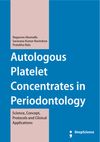
In this book, the authors provide an accessible overview of platelet concentrates and their dental applications, highlighting their role in tissue healing and regeneration, and reviewing recent studies on their efficacy in periodontal therapy, implant dentistry, and oral surgery.
 November 2025 in “Nanoscale Advances”
 This review highlights the potential of inorganic nanoparticle-based scaffolds as innovative tools for advanced wound care, emphasizing their ability to provide antimicrobial action and regenerative support, while also discussing fabrication strategies and challenges in optimizing their clinical application.
 November 2025 in “Communications Biology”
 The researchers reported creating a Human Hair Atlas that maps over 1200 molecular species in hair, revealing up to 50% variation in metabolite and lipid levels along the hair's length, and identified 122 exposome-related compounds from personal care products.
This study suggests that estimating autism likelihood as early as one month after birth may enable more precise early intervention for children with developmental support needs, potentially improving diagnosis, workflows, and reducing service wait times.
 November 2025 in “International Journal of Applied and Experimental Biology”
 In this review, the authors discussed the potential of hemp in cosmeceutics for skin conditions like acne and dermatitis, emphasizing its therapeutic properties and formulation challenges but noting the need for standardizing cannabinoid content and documenting effectiveness.
 November 2025 in “Frontiers in Veterinary Science”
 In this study, zinc supplementation at 2.00 g/camel/day improved hair growth in lactating camels but did not affect milk production, while for calves, doses of 0.50–0.75 g/camel/day enhanced growth and hair development.
 October 2025 in “Pakistan journal of urology.”
 This supplementary issue of the Pakistan Journal of Urology contains diverse studies spanning organ donation's significance, surgical techniques, and the comparison of treatments in urology, but it doesn't provide specific research results or detailed findings.
 October 2025 in “International Journal For Multidisciplinary Research”
 This review describes evidence suggesting regular apple consumption may improve cardiovascular health and reduce risks for chronic diseases through antioxidant, anti-inflammatory, and other beneficial effects, particularly when consumed as whole fruits rather than processed forms.
 October 2025 in “Dermatology and Therapy”
 This study reviewed the literature on atopic dermatitis and found a strong connection with several other skin conditions, such as psoriasis and alopecia areata, while highlighting potential treatments like JAK inhibitors and dupilumab that show promise for these comorbidities.
 September 2025 in “International Journal of Environmental Sciences”
 This study explored the stem of Moullava spicata and found it to be rich in secondary metabolites and natural antioxidants, showing significant concentration-dependent antioxidant activity, which supports its ethnomedicinal use and provides a basis for further pharmacological research.

This research highlights selenium's critical roles in various biological processes and underscores the potential health impacts of both its deficiency and excess, including increased mortality risk, poor immune function, and neurological issues.
 September 2025 in “Drug Design Development and Therapy”
 This study suggests that while platelet-rich products show promise in treating dermatological conditions like chronic wounds and skin aging, there is still a need for standardized methodologies and extensive trials to confirm their long-term clinical benefits.