22 citations
,
October 2004 in “Journal of Investigative Dermatology” This study identified the rough coat mutation in mice, but found that LOXL is not the causal gene, although its downregulation might contribute to related phenotypic changes.
1 citations
,
December 2022 in “PubMed” This study identified a long noncoding RNA, LOXL1-AS1, with potential diagnostic significance in androgenic alopecia, which may regulate TP53 expression by targeting hsa-miR-5193 within a ceRNA network.
 403 citations
,
December 2018 in “Cell stem cell”
403 citations
,
December 2018 in “Cell stem cell” This study suggests that phenotypic plasticity, including processes like dedifferentiation and transdifferentiation, plays a crucial role in cancer initiation, progression, and therapy resistance, broadening our understanding of cancer dynamics and potential treatment strategies.
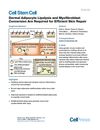 124 citations
,
June 2020 in “Cell Stem Cell”
124 citations
,
June 2020 in “Cell Stem Cell” This study found that in mice, dermal adipocytes initiate inflammation and aid repair after skin injury by releasing lipids, suggesting a role in managing inflammatory diseases and impaired wound healing.
 81 citations
,
April 2009 in “Journal of Investigative Dermatology”
81 citations
,
April 2009 in “Journal of Investigative Dermatology” This review discusses the shedding phase of the hair cycle, known as exogen, and reports no new findings while analyzing related processes like club fiber formation and release.
 76 citations
,
June 2018 in “EMBO Reports”
76 citations
,
June 2018 in “EMBO Reports” This study demonstrates that YAP and TAZ are essential for initiating basal and squamous cell carcinomas in mice, and suggests targeting these pathways could be beneficial for treating skin cancers.
 71 citations
,
October 2008 in “The journal of investigative dermatology/Journal of investigative dermatology”
71 citations
,
October 2008 in “The journal of investigative dermatology/Journal of investigative dermatology” This study presents a novel in vitro assay using human folliculoid microspheres to research hair growth, which may facilitate preclinical testing of hair growth-modulatory agents.
 48 citations
,
May 2015 in “NPJ microgravity”
48 citations
,
May 2015 in “NPJ microgravity” In this study, mice exposed to prolonged space conditions demonstrated skin atrophy, altered hair follicle cycles, and significant changes in the gene expression associated with skin muscle health.
 32 citations
,
July 2018 in “Scientific Reports”
32 citations
,
July 2018 in “Scientific Reports” In this study, the authors reported that feeding cashmere goats with essential oil-cobalt significantly enhanced their growth, meat quality, and fiber quality, while stimulating immune-related physiological changes.
 27 citations
,
July 2017 in “European Journal of Dermatology”
27 citations
,
July 2017 in “European Journal of Dermatology” This article reviews the role of microRNAs as epigenetic modulators in dermatology but reports no new clinical findings.
 26 citations
,
June 2018 in “The journal of immunology/The Journal of immunology”
26 citations
,
June 2018 in “The journal of immunology/The Journal of immunology” This study demonstrated that AIRE-deficient rats exhibit key symptoms of APECED, making them a relevant model for exploring potential treatments.
 25 citations
,
May 2020 in “Daehan saengsik uihak hoeji/Clinical and experimental reproductive medicine”
25 citations
,
May 2020 in “Daehan saengsik uihak hoeji/Clinical and experimental reproductive medicine” This article discusses the potential benefits of platelet-rich plasma injections in ovarian tissue to improve reproductive outcomes in IVF for older individuals and proposes a mechanism to enhance embryo ploidy rescue, but reports no new clinical results.
 25 citations
,
September 2014 in “Biological Research”
25 citations
,
September 2014 in “Biological Research” This study found that arctiin, a compound from Arctium lappa, demonstrated protective effects against oxidative stress-induced dysfunction in human hair dermal papilla cells, suggesting potential therapeutic use for alopecia.
 24 citations
,
October 2017 in “Scientific reports”
24 citations
,
October 2017 in “Scientific reports” This study suggests that controlling light exposure can influence cashmere growth by triggering hair follicles to enter their active growth phase sooner, potentially involving the CSDC2 gene as a key regulator.
 23 citations
,
June 2017 in “Rejuvenation Research”
23 citations
,
June 2017 in “Rejuvenation Research” In this study, minoxidil treatment in aged mice increased elastin expression and improved aortic structure and function, suggesting its potential for arterial remodeling in aging.
 22 citations
,
May 2021 in “Nature Communications”
22 citations
,
May 2021 in “Nature Communications” This study found that in wound-induced hair neogenesis, African spiny mice and laboratory mice exhibit different morphogenetic field formation patterns related to tissue stiffness, suggesting evolutionary developmental biology advantages.
 18 citations
,
February 2022 in “Cell Death Discovery”
18 citations
,
February 2022 in “Cell Death Discovery” In this study, researchers found that hair follicle-derived mesenchymal stem cells, modified to overexpress extracellular matrix protein 1, significantly improved liver function and reduced liver damage in cirrhotic mice by inhibiting hepatic stellate cell activation and TGF-β/Smad signaling.
 14 citations
,
October 2021 in “Dermatology and Therapy”
14 citations
,
October 2021 in “Dermatology and Therapy” This study found that photoexposure significantly increased the gene expression of altered elastin, MMP12, and LOX, as well as the protein expression of tropoelastin and fibrillin-1, in skin models.
 14 citations
,
May 2013 in “American Journal of Physiology-endocrinology and Metabolism”
14 citations
,
May 2013 in “American Journal of Physiology-endocrinology and Metabolism” This study found that mice lacking myelin protein zero-like 3 (Mpzl3) had reduced body weight and adiposity despite increased food intake, which was linked to higher energy expenditure and improved glycemic control.
 13 citations
,
August 2018 in “Journal of Molecular and Cellular Cardiology”
13 citations
,
August 2018 in “Journal of Molecular and Cellular Cardiology” This study demonstrated that finasteride treatment reduced cardiac dysfunction and hypertrophic remodeling in mice after myocardial infarction, suggesting potential as a therapeutic strategy for heart failure.
 12 citations
,
July 2025 in “Journal of Clinical and Translational Hepatology”
12 citations
,
July 2025 in “Journal of Clinical and Translational Hepatology” This review discusses how targeting TGF-β with specific inhibitors, including components from Traditional Chinese Medicine, may help reduce liver fibrosis by acting through various signaling pathways.
 10 citations
,
June 2005 in “The journal of investigative dermatology/Journal of investigative dermatology”
10 citations
,
June 2005 in “The journal of investigative dermatology/Journal of investigative dermatology” This study identified FP-1 as a highly specific extracellular matrix protein in follicular papilla cells, which may play a role in hair growth regulation during specific hair cycle phases.
 9 citations
,
August 2024 in “Tissue Engineering and Regenerative Medicine”
9 citations
,
August 2024 in “Tissue Engineering and Regenerative Medicine” In this study, researchers suggest that strategic early intervention during fetal wound healing could lead to significantly improved long-term skin regeneration outcomes.
 4 citations
,
May 2020 in “PLOS ONE”
4 citations
,
May 2020 in “PLOS ONE” This study found that ingenol mebutate treatment led to gene expression changes in actinic keratoses, with complete lesion clearance in 40% of patients and identified genetic markers potentially predicting treatment response.
 2 citations
,
September 2023 in “Frontiers in molecular biosciences”
2 citations
,
September 2023 in “Frontiers in molecular biosciences” This review highlights the potential of targeting hepatic stellate cell ferroptosis as a treatment strategy for liver fibrosis, underscoring the need for further research into ferroptosis mechanisms in these cells to better understand and combat this condition.
 2 citations
,
January 2019 in “Medizinische Genetik”
2 citations
,
January 2019 in “Medizinische Genetik” Among families with pediatric brain disease, this study identified over 200 novel genetic causes, revealing potential treatment points using drug repurposing or nutritional supplementation.
 October 2025 in “Clinical Cosmetic and Investigational Dermatology”
 This study synthesizes knowledge of how dendritic cell signals, epithelial integrins, and fibroblast activity converge on TGF-β1 to maintain or disrupt skin healing, contrasting normal and fibrotic scar formation and suggesting possible integrin and immune-targeted treatments for skin fibrosis.

This study in diabetic db/db mice found that treatment with the antihypertensive agents minoxidil or nebivolol stimulated elastogenesis and inhibited elastolysis, leading to restored elastic fibers, reduced aortic stiffening, and normalized blood pressure.
 January 2011 in “Springer eBooks”
 Eating a balanced diet with the right vitamins and minerals is important for healthy hair, but too many supplements can be harmful.
 October 2003 in “Journal of Investigative Dermatology Symposium Proceedings”
 Mice treatments didn't grow hair, a patient treatment may affect immune response, and people with hair loss often feel anxious or depressed.