 16 citations
,
March 2013 in “JAMA Dermatology”
16 citations
,
March 2013 in “JAMA Dermatology” This case study describes a 33-year-old woman with chronic myelogenous leukemia who developed nonscarring alopecia after starting nilotinib therapy, linked to perifollicular inflammation.
This study demonstrated that the IVL-DrugFluidic® platform is effective for mass-producing finasteride-loaded polymeric microspheres for long-acting injectables, maintaining stable drug release without an initial burst for a month.
 December 2022 in “Indian Journal of Animal Research”
 This study found that both fluoxetine and clomipramine are effective in treating psychogenic triggers of acral lick dermatitis in dogs, with fluoxetine leading to quicker recovery and lower recurrence rates, while clomipramine showed better overall recovery rates but was associated with fewer side effects.

In this study, data from multiple sources found that Baricitinib significantly promoted hair regrowth and improved patient-reported outcomes in those with severe alopecia, with minimal side effects, over a 36-week period.
 January 2026 in “American Journal of Translational Research”
 In this study, the combination of metoprolol and spironolactone in patients with coronary heart disease and heart failure significantly improved cardiac function and reduced inflammation and oxidative stress markers compared to spironolactone alone, with better clinical efficacy and fewer adverse effects.

This study found that baricitinib, a selective Janus kinase inhibitor, led to significantly improved scalp coverage in alopecia areata patients over 36 weeks compared to placebo, though adverse effects like acne and urinary tract infections were reported.
 149 citations
,
June 2002 in “Veterinary record/The veterinary record”
149 citations
,
June 2002 in “Veterinary record/The veterinary record” This study found that trilostane was effective in resolving symptoms such as polyuria and polydipsia in many dogs with pituitary-dependent hyperadrenocorticism, with significant hormone level reductions observed.
 August 2013 in “Hospital Pharmacy”
 This article discusses the importance of recognizing adverse drug reactions, methods of prevention, and encourages reporting them to the FDA's MedWatch program; it reports no new results.
 52 citations
,
February 2006 in “Archives of Dermatology”
52 citations
,
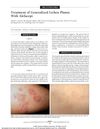
February 2006 in “Archives of Dermatology” This case report describes a 25-year-old woman with widespread lichen planus who did not respond to multiple systemic treatments, including antihistamines, hydroxychloroquine sulfate, and corticosteroids.
 March 2026 in “American Journal of Clinical Dermatology”
 In this study, ritlecitinib 50 mg produced clinically meaningful improvements in scalp hair regrowth over three years for patients aged 12 and older with severe alopecia areata, with 65.1% showing substantial hair regrowth and 31.2% achieving complete regrowth, while also maintaining a consistent safety profile.
January 2026 in “JCEM Case Reports” The researchers reported a case of a 51-year-old woman with primary hypothyroidism who developed anaphylaxis to intravenous levothyroxine after being unresponsive to oral formulations, highlighting potential allergic reactions to IV treatments in such patients.
 7 citations
,
December 2021 in “Annals of Phytomedicine An International Journal”
7 citations
,
December 2021 in “Annals of Phytomedicine An International Journal” This study observed that silver nanoparticles synthesized using Laurus nobilis leaf extracts significantly inhibited protein denaturation and membrane stabilization in vitro, suggesting potential as a basis for novel antiarthritic drugs.
 9 citations
,
May 2013 in “JAMA Dermatology”
9 citations
,
May 2013 in “JAMA Dermatology” This report details a case of extensive leukotrichia induced by dasatinib in a patient with refractory chronic myelogenous leukemia.
 September 2024 in “Journal of the European Academy of Dermatology and Venereology”
 This study found that baricitinib significantly reduced hair loss in patients with severe alopecia areata, decreasing the mean SALT score from 96.6 to 48 over 24 weeks, with no patients dropping out and only mild adverse events in 12.7% of participants.
1 citations
,
October 2025 in “International Journal of Dermatology” In this study, participants receiving a 50-mg maintenance dose of ritlecitinib reported greater improvements in emotional and activity limitations due to hair loss by Week 48 compared to those on a 10-mg dose.
7 citations
,
January 2025 in “Journal of Experimental & Clinical Cancer Research” This study found that PRMT5 inhibitors showed potent anti-tumor activity in models of adenoid cystic carcinoma and that combining these inhibitors with lenvatinib may have additional growth-inhibitory effects.
2 citations
,
January 2022 in “JAAD Case Reports” This case report describes a 69-year-old woman who developed drug-induced acquired ichthyosis related to ponatinib therapy, which improved upon stopping the medication.
 March 2026 in “SKIN The Journal of Cutaneous Medicine”
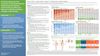
 This study demonstrated that litifilimab significantly reduced disease activity in cutaneous lupus erythematosus by Week 16, with improvements most notable in sunlight-exposed skin areas.
14 citations
,
January 2025 in “Journal of Dermatological Treatment” In this multicenter retrospective study, 61.5% of Italian patients with severe alopecia areata achieved significant hair improvement after 52 weeks of treatment with baricitinib, with no major safety issues reported, indicating long-term effectiveness in a real-world setting.
 53 citations
,
June 1993 in “Proceedings of the National Academy of Sciences of the United States of America”
53 citations
,
June 1993 in “Proceedings of the National Academy of Sciences of the United States of America” This study identified LY191704 as a specific noncompetitive inhibitor of human 5 alpha-reductase type 1, which may be useful in treating endocrine disorders related to DHT overproduction.
 September 2024 in “Journal of the American Academy of Dermatology”
 This study found that baricitinib, when administered consistently over three years, maintained its efficacy in patients with severe alopecia areata who responded by Week 52 with notable hair regrowth, indicated by a SALT score of ≤20.
 16 citations
,
April 2014 in “Expert Opinion on Pharmacotherapy”
16 citations
,
April 2014 in “Expert Opinion on Pharmacotherapy” This review discusses the pharmacological profile of teriflunomide for treating relapsing multiple sclerosis, highlighting its safety and effectiveness in reducing relapses and slowing disability progression, though direct comparisons with other oral medications are lacking.
 4 citations
,
March 2017 in “Al-Mi’galaẗ al-sa'udiyaẗ lī-ulum al-ḥayaẗ”
4 citations
,
March 2017 in “Al-Mi’galaẗ al-sa'udiyaẗ lī-ulum al-ḥayaẗ” In this study, Leonuri Herba alkaloids significantly reduced prostate hyperplasia indicators and improved urinary parameters in hormone-induced model rats.
 January 2025 in “Repository of the Academy's Library (Library of the Hungarian Academy of Sciences)”
 In this study, baricitinib was found to be effective and safe for treating severe alopecia areata, with significant hair regrowth observed in many patients by the third month of therapy and continued improvement by the twelfth month, despite mostly mild adverse events.
1 citations
,
September 2021 in “Dermatologic Therapy” The researchers reported that intralesional botulinum toxin A effectively alleviated pain associated with cutaneous leiomyomas in a patient with hereditary leiomyomatosis and renal cell cancer syndrome, with repeated treatments every three months maintaining pain relief over 1.5 years.
September 2010 in “Zhonghua miniao waike zazhi” This study found that long-term administration of tamsulosin hydrochloride 0.2 mg is effective, safe, and well-tolerated for improving symptoms and quality of life in patients with LUTS of BPH.
 20 citations
,
February 2023 in “American Journal of Clinical Dermatology”
20 citations
,
February 2023 in “American Journal of Clinical Dermatology” In this study, 40.9% of patients taking 4 mg baricitinib and 21.2% taking 2 mg achieved significant hair regrowth over 52 weeks, indicating potential long-term benefits for adults with severe alopecia areata without introducing new safety concerns.
January 2006 in “Zhongguo yaofang” This study concluded that qianliekang combined with liuweidihuangwan is a more economical treatment for benign prostatic hyperplasia compared to finasteride plus tamsulosin.
 November 2025 in “SKIN The Journal of Cutaneous Medicine”
 In this phase 3 trial, baricitinib showed effectiveness and safety in both adolescents and adults with severe alopecia areata, with adolescents achieving higher response rates despite more severe baseline conditions, suggesting the advantages of early treatment.
 February 2024 in “Journal of the European Academy of Dermatology and Venereology”
 In this study, baricitinib for severe alopecia areata showed sustained efficacy over 104 weeks, with most Week-52 responders maintaining significant hair regrowth and some mixed responders improving further with long-term treatment.