October 2025 in “Our Dermatology Online” This study suggests that combining tranexamic acid with low-dose oral retinoids may offer moderate to good improvements for lichen plan pigmentosus, although larger trials are needed for confirmation.
4 citations
,
December 2020 in “Tissue Barriers” This review explores the immunological aspects of epidermal differentiation in loricrin knockout mice, offering insights into keratinization and potential intrinsic factors affecting immune function, but provides no new clinical findings.
 2 citations
,
June 2024 in “Frontiers in Plant Science”
2 citations
,
June 2024 in “Frontiers in Plant Science” This study found that RALF peptides, through liquid-liquid phase separation, form condensates with pectin and other proteins, playing a pivotal role in plant development and stress response regulation.
4 citations
,
July 2024 in “Pharmacology Research & Perspectives” In this phase 2a study of adults with alopecia areata, researchers observed that ritlecitinib treatment did not result in significant differences in brainstem auditory evoked potential changes or axonal swelling compared to placebo, suggesting the dog toxicity findings may not be clinically relevant in humans.
 November 2024 in “SKIN The Journal of Cutaneous Medicine”
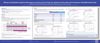
 This study found that ritlecitinib, taken daily, led to scalp, eyebrow, and eyelash hair regrowth in patients aged 12 and older with severe and very severe alopecia areata over a 24-month period.
1 citations
,
October 2025 in “International Journal of Dermatology” In this study, participants receiving a 50-mg maintenance dose of ritlecitinib reported greater improvements in emotional and activity limitations due to hair loss by Week 48 compared to those on a 10-mg dose.
July 2025 in “Case Reports in Dermatology” This case report highlights that early signs like pili torti may precede lichen planopilaris in some patients, emphasizing the importance of timely intervention to prevent permanent hair loss.
This meta-analysis reports that ritlecitinib significantly improved hair growth in alopecia areata patients compared to placebo, although its potential requires further clinical exploration.
3 citations
,
May 2011 in “Facial plastic surgery clinics of North America” This article reviews the causes and treatments of fine rhytids, highlighting the potential effectiveness of laser rejuvenation therapies but presents no new clinical results.
July 2023 in “SKIN The Journal of Cutaneous Medicine” This study found that some patients with alopecia areata who did not respond to ritlecitinib treatment by Week 24 achieved a positive response with continued therapy by Week 48, with tolerable side effects.
13 citations
,
February 2025 in “Journal of the European Academy of Dermatology and Venereology” Ritlecitinib shows promise for treating alopecia areata, especially with early and extended treatment.
125 citations
,
February 1971 in “Biochemistry” Specific cross-linkages help make hair proteins stable and strong.
 3 citations
,
May 2022 in “Clinical and experimental dermatology”
3 citations
,
May 2022 in “Clinical and experimental dermatology” This review discusses potential EMT-targeting drugs for treating lichen planopilaris and emphasizes the need for clinical trials, as current evidence is limited to individual cases or case series.
10 citations
,
January 1994 This study discusses that permanent hair straightening can be achieved at neutral or acidic pH conditions, with varying effects on cystine and lanthionine levels, by inducing supercontraction of the hair fiber.
January 2025 in “Dermatology Research and Practice” In this research, RNA expression analysis of scalp biopsies from lichen planopilaris patients revealed changes in specific genes after treatments with hydroxychloroquine, narrow band UVB, or low level laser light therapy, suggesting potential biomarkers and implicating M2 macrophages in the disease's immunopathogenesis.
 1 citations
,
November 2024 in “Cutis”
1 citations
,
November 2024 in “Cutis” PLLA injections can cause hair loss and skin issues.
 May 2017 in “Journal of The American Academy of Dermatology”
 A woman with a skin disorder was found to have hepatitis C, which may be linked, and was safely treated with methotrexate.
 February 2026 in “Indian Journal of Skin Allergy”
 This article reviews the clinical efficacy of Ruxolitinib cream for skin conditions, reporting significant improvements in atopic dermatitis and vitiligo, with minimal systemic absorption and a favorable safety profile, compared to placebo.
2 citations
,
March 1994 in “Journal of the European Academy of Dermatology and Venereology” This case report describes two female patients with white piedra of the scalp who showed remarkable improvement in hair condition after using 2% miconazole nitrate lotion for 8 weeks.
 February 2013 in “Journal of the American Academy of Dermatology”
 This case report found that intense focused skin tightening ultrasound reduced excessive underarm sweating by nearly 80% in two patients and was associated with temporary side effects like tenderness and redness.
January 2023 in “Figshare” This meta-analysis found that a combination of clobetasol, hydroxychloroquine, and N-acetylcysteine may be the most effective treatment approach for lichen planopilaris compared to other therapies.
May 2025 in “Journal of the European Academy of Dermatology and Venereology” This study found that 45.5% of alopecia areata patients treated with ritlecitinib 50 mg daily achieved significant hair regrowth, with most maintaining their response over 24 months.
November 2025 in “Journal of Investigative Dermatology” November 2024 in “SKIN The Journal of Cutaneous Medicine” This study found that daily treatment with ritlecitinib 50 mg over 24 months reduced the number of patients in the highest categories of scalp hair loss, with improvements seen in patient responses over time.
March 2026 in “Microchemical Journal” October 2010 in “한국식품영양과학회 산업심포지움발표집” Fermented Liriope platyphylla helps hair grow in mice with hair loss.
This study found that lysine carboxymethyl cysteinate helps protect the epidermis from UVB-induced damage by activating autophagy and restoring cornification processes in a skin model.
 1 citations
,
June 2026 in “Dermato”
1 citations
,
June 2026 in “Dermato” This narrative review found that ritlecitinib shows consistent effectiveness and a favorable safety profile for treating alopecia areata in clinical trials and real-world settings, with progressive hair regrowth observed, particularly when treatment is initiated early and maintained appropriately.
 March 2024 in “Journal of cosmetic dermatology”
 This study found that platelet-rich plasma may be more effective and satisfactory than topical clobetasol for treating lichen planopilaris over six months.
 February 2010 in “Journal of the American Academy of Dermatology”
 Lactic acid cream can help improve skin bumps known as eruptive vellus hair cysts.