51 citations
,
October 2002 in “Archives of dermatology” This case study of a patient with dissecting cellulitis of the scalp found that multiple medications, including isotretinoin, achieved only modest improvement, and symptoms returned after treatments were stopped.
 127 citations
,
January 2013 in “PLOS ONE”
127 citations
,
January 2013 in “PLOS ONE” This study found that feeding aged mice a probiotic yogurt induced changes leading to thicker, healthier fur, suggesting a bacteria-triggered interleukin-10-dependent mechanism that mimics signs of youth and reproductive fitness.
September 2015 in “Photodiagnosis and Photodynamic Therapy”  14 citations
,
December 2007 in “Pediatric allergy and immunology”
14 citations
,
December 2007 in “Pediatric allergy and immunology” In this study, researchers found that mast cells in Erythema Toxicum lesions in newborns are actively involved in the immune response around hair follicles, but do not express the antimicrobial peptide LL-37.
 December 2025 in “Frontiers in Veterinary Science”
 This study found that PT-LCG extends hair follicle activity and promotes continuous cashmere growth by enhancing lipid synthesis, remodeling the extracellular matrix, and modulating inflammatory signaling, offering insights into improving cashmere yield and quality through molecular breeding.
This study explored fermented rice water as a natural source of probiotics, finding that it contains beneficial microbes that may balance scalp microbiota, reduce dandruff, and support hair follicle health, offering a safe alternative to chemical treatments.
December 2017 in “Journal of the Hellenic Veterinary Medical Society” This article reviews canine acrai lick dermatitis, detailing its multifactorial causes and treatments, but does not present new experimental results.
1 citations
,
June 2011 in “Journal of Dermatological Case Reports” This case report describes a 38-year-old patient with trichomycosis axillaris, successfully treated with shaving, 3% erythromycin cream, and clotrimazole powder.
 December 2012 in “Journal of dermatological science”
 This study reveals that hair follicles in mice and humans recruit epidermal Langerhans cells during skin inflammation via specific chemokine signaling pathways.
 November 2023 in “Journal of animal science/Journal of animal science ... and ASAS reference compendium”
 This study investigated differences in gene expression in the mammary glands of SLICK and wild-type Holstein cattle, finding limited differences overall but identifying enriched pathways related to arachidonic acid metabolism and oxytocin production, which merit further exploration.
April 2023 in “Journal of Investigative Dermatology” In this study, a mouse model of scarring alopecia demonstrated significantly reduced CD200R expression in affected skin, which may contribute to immune attacks on hair follicles.
December 2019 in “The American Journal of Gastroenterology” In this study, three cases of Cronkhite-Canada syndrome revealed small bowel mucosal lesions, but these findings did not correlate with clinical symptoms or steroid treatment outcomes.
 January 2020 in “International Journal of PharmTech Research”
 This case report describes a patient with untreated lepromatous leprosy developing Lucio's phenomenon, highlighting difficulties in distinguishing it from erythema nodosum leprosum with vasculonecrotic lesions.
5 citations
,
May 1952 in “Journal of Animal Science” This study found that supplementing baby pigs with riboflavin relieved external symptoms of deficiency, but many internal issues persisted, possibly due to inadequate dosage or treatment duration.

This research evaluated the wound healing potential of NIMO-CH, a cellulose hydrogel with indigenous microorganisms, in ICR mice and found complete wound closure with hair growth by day 18-20, suggesting it could be a viable alternative for wound care.
 10 citations
,
July 2021 in “Archiv für Pathologische Anatomie und Physiologie und für Klinische Medicin”
10 citations
,
July 2021 in “Archiv für Pathologische Anatomie und Physiologie und für Klinische Medicin” This study found that the expression of LRIG1 in Merkel cell carcinoma tumors was associated with improved overall and cancer-specific survival.
118 citations
,
October 2014 in “Journal of Dairy Science” This study found that in lactating Holstein cows, hair from the tail switch, which grows faster and is more sensitive to cortisol changes, is ideal for measuring hair cortisol levels.
 2 citations
,
January 2018
2 citations
,
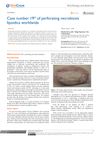
January 2018 This article reports the first case of perforating necrobiosis lipoidica in Colombia and the 19th case worldwide in diabetic patients.
24 citations
,
January 2018 in “Journal of Pharmacy And Bioallied Sciences” This study found that a licorice-based herbal shampoo offered excellent cleansing ability and user satisfaction without microbial contamination, suggesting potential benefits for hair and scalp issues, but further studies are needed.
 18 citations
,
April 2019 in “Archives of Dermatological Research”
18 citations
,
April 2019 in “Archives of Dermatological Research” This study found that bovine lactoferrin promotes hair growth in mice by enhancing dermal papilla cell proliferation through the Erk/Akt and Wnt signaling pathways.
21 citations
,
November 2019 in “Molecular & Cellular Proteomics” This study found that citrullinated proteins, which are implicated in rheumatoid arthritis, were abundant in outer membrane vesicles from Porphyromonas gingivalis but nearly absent in mutants, validating their approach to citrullinated peptide identification.
 December 2005 in “Journal of the American Academy of Physician Assistants”
 The woman was diagnosed with lichen planopilaris and can be treated with corticosteroids.
16 citations
,
August 2017 in “Lupus” This case report and literature review highlights an unusual acne-like presentation of chronic cutaneous lupus erythematosus that doesn't improve with standard acne treatments, emphasizing the importance of considering CCLE in atypical acneiform eruptions.
 July 2024 in “Journal of Bioscience and Bioengineering”
 This study identified 65 bacterial species from human hair with varying carbon metabolic capabilities and proposed a systematic way to evaluate their ease of isolation under different conditions.
1 citations
,
June 2025 in “Fermentation” This study found that solid-state fermentation using probiotic lactic acid bacteria significantly enhanced the antioxidant properties and bioactive composition of Radix Angelica gigas compared to non-fermented herbs, suggesting a potential method for modernizing traditional herbal medicine.
 1 citations
,
April 2006 in “International Journal of Oncology”
1 citations
,
April 2006 in “International Journal of Oncology” In this study, lysocellin induced G1 phase arrest in human osteosarcoma cells, but diminished the cytotoxic efficacy of etoposide, while its derivative alopestatin may reduce etoposide-induced alopecia in a rat model.
April 2023 in “Journal of Investigative Dermatology” RNase L suppresses regeneration in mammals.
57 citations
,
May 1980 in “International Journal of Dermatology” Langerhans cells are crucial for skin immunity and allergic reactions.
 1 citations
,
February 1977 in “Archives of Dermatology”
1 citations
,
February 1977 in “Archives of Dermatology” This case report describes a 2-month-old infant with a severe seborrhea-like skin eruption and respiratory distress, similar to symptoms that led to a sibling's death from Gram-negative septicemia.
January 2014 in “China Feed” This study found that a higher relative expression of the keratin associated protein 8.1 gene in Liaoning cashmere goats' skin and hair follicles was associated with thinner cashmere fiber.