 June 2026 in “International Journal of Innovative Technologies in Social Science”
 In this narrative review, the authors highlighted that AI-supported electronic health record analysis could help recognize Polycystic Ovary Syndrome/Polyendocrine Metabolic Ovarian Syndrome earlier, but also warned that these systems might perpetuate historical biases if not properly validated and interpreted.
5 citations
,
January 2019 in “Methods in molecular biology” In this study, researchers showed that multiphoton microscopy with fluorescent protein tagging enables single-cell imaging and tracking in live transgenic mice, offering new insights into cell dynamics in stem cell research compared to traditional histological methods.
 December 2025 in “Scientific Reports”
 In this study, researchers observed that DHEA-induced PCOS rats experienced significant changes in gut microbiota and metabolic profiles, particularly affecting steroid and lipid metabolism, suggesting the gut-ovary axis may play a role in the pathogenesis of PCOS.
 May 2023 in “Elsevier eBooks”
 This source outlines current research exploring CRISPR-Cas9, siRNA, miRNA, and tissue engineering as potential treatments for androgenetic alopecia, noting the need for further safety and efficacy studies before human application.
14 citations
,
August 2021 in “Journal of Pharmaceutical Sciences” This study found that cholesterol- and phospholipid-free multilamellar niosomes improved skin deposition and targeted deeper hair follicles better than hydrophobic PLGA nanoparticles for transdermal drug delivery.
 178 citations
,
May 2006 in “Developmental Dynamics”
178 citations
,
May 2006 in “Developmental Dynamics” This review discusses the role of jumonji family proteins in chromatin regulation and development, highlighting their involvement in transcriptional repression and histone demethylation, but reports no new experimental findings.
 308 citations
,
September 2010 in “Nucleic acids research”
308 citations
,
September 2010 in “Nucleic acids research” This study found that induced expression of mir-302 can reprogram human hair follicle cells into induced pluripotent stem cells through a novel epigenetic mechanism involving global demethylation.
68 citations
,
December 2010 in “The journal of investigative dermatology/Journal of investigative dermatology” This study suggests a regulatory model where HOXC13 activates Foxn1, affecting hair and nail differentiation, supported by similarities in Hoxc13(tm1Mrc) and Foxn1(nu) mice phenotypes and gene expression patterns.
January 2025 in “Journal of Imaging Informatics in Medicine” 7 citations
,
August 2017 in “European journal of endocrinology” This study suggests that mutations in exon 10 of the POC1A gene may be linked to a distinct clinical condition characterized by extreme insulin resistance and short stature, differing from SOFT syndrome.
 February 2026 in “BMC Genomics”
 This study found that MEG3-miRNAs are key regulators of the age-dependent crimped wool trait in Tan sheep, likely influencing primary follicle development and degeneration through immune-inflammatory pathways.
35 citations
,
April 2021 in “Current Biology”  62 citations
,
January 2000 in “Developmental dynamics”
62 citations
,
January 2000 in “Developmental dynamics” This study found that Notch-related genes, including Notch1 and Notch2, and their ligands and regulators, have distinct patterns of expression during mouse hair vibrissa follicle development and the adult hair cycle.
61 citations
,
June 2019 in “BMC Genomics” This study explored the expression and potential functions of long non-coding RNAs in the skin pigmentation of Koi carp, revealing their involvement in pigmentation and differentiation mechanisms.
20 citations
,
March 2014 in “Molecular Endocrinology” This study suggests that NFIB and STAT5 work together to control cell-specific genetic programs in mammalian tissues, particularly in mammary and hair follicle stem cells.
1 citations
,
January 2017 in “Science” In this study, researchers used iron ion coordination to successfully create a molecular knot with three organic ligand strands and eight crossings.
 54 citations
,
November 2017 in “Scientific Reports”
54 citations
,
November 2017 in “Scientific Reports” In this study, researchers observed that hyperandrogenic PCOS patients exhibited distinct miRNA and TGFβ signaling gene expression patterns in granulosa cells, suggesting these factors may play a role in PCOS pathogenesis.
45 citations
,
August 2023 in “Trends in Cell Biology” This review highlights the potential of in vivo reprogramming using OSKM transcription factors for developing rejuvenating and regenerative strategies, while noting the associated risk of tumorigenicity and discussing how improved understanding could lead to safer applications.
3 citations
,
August 2023 in “Biophysical Journal” In this study, researchers found that epithelial cells exhibit density-dependent metabolic heterogeneity, particularly in the pre-epithelial transition stage, where metabolic patterns correlate with cell proliferation and are influenced by actomyosin contractility.
 2 citations
,
August 2013 in “Journal of Investigative Dermatology”
2 citations
,
August 2013 in “Journal of Investigative Dermatology” This review discusses the dynamic changes in chromatin organization and nuclear morphology during cellular processes like differentiation and disease, highlighting recent advances in understanding these epigenetic mechanisms without presenting new experimental findings.
 1 citations
,
February 2018 in “Australasian journal of dermatology”
1 citations
,
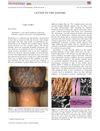
February 2018 in “Australasian journal of dermatology” Advanced imaging techniques are crucial for accurately diagnosing Monilethrix, a rare hair disorder.
9 citations
,
September 2022 in “Frontiers in Physics” This study found that Mueller Matrix microscopy can accurately identify, detect, and evaluate hair follicles in mouse skin tissue, suggesting its potential for skin structure research and dermatological applications.
1 citations
,
January 1999 in “Theriogenology”  December 2023 in “Frontiers in microbiology”
 This study reported that mannan oligosaccharides improved the fur quality, immune response, antioxidant status, and gut microbiota of fur-growing raccoon dogs, suggesting they could potentially replace antibiotics in their diet.
6 citations
,
August 2016 in “Journal of Visualized Experiments” This article describes a method using the CUBIC protocol to clarify and visualize molecular and cellular interactions in mouse skin biopsies at single cell resolution, but does not provide new biological findings.
February 2026 in “Advanced Sensor Research” In this review, researchers examined advanced sensing technologies and bioelectronic interfaces that could improve understanding of the skin–brain axis, highlighting challenges and strategies for integrating these platforms into models for studying skin and neural interactions.
 50 citations
,
January 2016 in “The Journal of Clinical Endocrinology and Metabolism”
50 citations
,
January 2016 in “The Journal of Clinical Endocrinology and Metabolism” This study found that miRNA expression profiles in follicular fluid are altered in women with PCOS, with certain miRNAs potentially useful for distinguishing patient subtypes and contributing to understanding PCOS heterogeneity.
21 citations
,
March 2023 in “Indian Journal of Clinical Biochemistry” 43 citations
,
April 1996 in “Journal of Investigative Dermatology”  2 citations
,
August 2019 in “International Journal of Applied Pharmaceutics”
2 citations
,
August 2019 in “International Journal of Applied Pharmaceutics” This study explored the use of SOD-loaded niosomes as carriers to enhance the delivery of superoxide dismutase into hair follicles on guinea pig skin, finding that niosomes improved SOD penetration and preservation compared to free SOD, suggesting their potential as effective delivery vehicles.