 February 2026 in “American Journal of Clinical Dermatology”
 This source discusses how radiotherapy-induced skin fibrosis, a chronic side effect affecting cancer survivors' quality of life, is driven by ongoing inflammation and fibroblast activity, and emphasizes the need for comprehensive dermatologic management and better diagnostic tools.
This source provides medical information intended solely for licensed professionals and emphasizes that it is not a substitute for medical advice, diagnosis, or treatment decisions, which remain the responsibility of treating physicians.
 February 2026 in “International Research Journal of Modernization in Engineering Technology and Science”
 The researchers emphasize the limited scope of existing studies on lip aging, highlighting issues that include collagen loss and the deepening of lip lines with age, and suggesting a need for further research to guide cosmetic and clinical interventions.
 February 2026 in “Frontiers in Bioengineering and Biotechnology”
 This review discusses the development of liposome-based delivery systems to enhance skin wound healing, highlighting their advantages and potential applications, but reports no new clinical results.
 January 2026 in “The Eurasian Journal of Life Sciences”
 This review discusses recent advances in the development of electrospun pectin nanofibers for biomedical applications, highlighting strategies to improve their mechanical properties and biological functions and addressing challenges like material variability and regulatory issues.
 January 2026 in “RSC Advances”
 This study found that the natural polymer-based hydrogel Gel/SA@PL released growth factors in a controlled way, which enhanced tissue regeneration and minimized scarring in the healing of diabetic wounds.
 December 2025 in “IP Indian Journal of Clinical and Experimental Dermatology”
 This review reports that the treatment of androgenetic alopecia is shifting from single therapies to personalized, multimodal approaches incorporating both traditional and emerging pharmacologics, regenerative strategies, nutraceuticals, cosmeceuticals, and device-based interventions, with combination regimens showing improved outcomes.
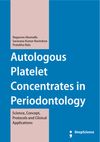
In this book, the authors provide an accessible overview of platelet concentrates and their dental applications, highlighting their role in tissue healing and regeneration, and reviewing recent studies on their efficacy in periodontal therapy, implant dentistry, and oral surgery.
 November 2025 in “Nanoscale Advances”
 This review highlights the potential of inorganic nanoparticle-based scaffolds as innovative tools for advanced wound care, emphasizing their ability to provide antimicrobial action and regenerative support, while also discussing fabrication strategies and challenges in optimizing their clinical application.
 October 2025 in “Pielegniarstwo XXI wieku / Nursing in the 21st Century”
 This review discusses the effectiveness and mechanisms of combined oral contraceptives in treating acne vulgaris but reports no new clinical results; the authors highlight their antiandrogenic effects for managing acne and related endocrine disorders.
 October 2025 in “Clinical Cosmetic and Investigational Dermatology”
 This study established consensus guidelines for diagnosing and managing androgenetic alopecia in Egypt, emphasizing individualized care and emerging therapies based on a survey of Egyptian dermatologists and refinement through expert review.
 September 2025 in “Cureus”
 This narrative review highlights recent advancements in anti-ageing cosmetic procedures, emphasizing personalized interventions that improve patient outcomes and quality of life. The review synthesized evidence from 144 articles to assess the effectiveness and potential side effects of surgical and non-surgical techniques for facial rejuvenation.
July 2025 in “Highlights in Science Engineering and Technology” In this study, researchers found that nanomaterials designed for plastic surgery applications show promising results, including a 95% dynamic wrinkle filling rate and enhanced hair density by 41%; however, challenges like potential long-term safety issues and high production costs must be addressed.
 July 2025 in “International Journal of Pharmaceutical Sciences Review and Research”
 This case report documented a 20-year-old male with alopecia areata who experienced slight hair regrowth following treatment with cyclosporine and methylprednisolone, highlighting the importance of individualized treatment plans and consideration of medication side effects.
 June 2025 in “Medical & Clinical Case Reports Journal”
 This systematic review concludes that exosomes may offer significant therapeutic potential for treating androgenetic alopecia, with observed improvements in hair density and follicular health, but further long-term clinical studies are necessary for validation.
 June 2025 in “World Journal of Medical Oncology”
 In this study, researchers explored the use of new biobased compounds and gels as potential treatments for skin cancer, finding that these biological materials may be significant in limiting and eliminating skin tumors alone or when combined with other methods.
 March 2025 in “Pain Physician”
 This retrospective study found that applying local skin precooling before scalp nerve block significantly reduced injection site pain during PRP mesotherapy for patients with androgenetic alopecia, compared to those who did not receive precooling, thus improving patient comfort and compliance.

This scoping review found that microneedle patches loaded with exosomes, primarily derived from mesenchymal stem cells, show promising potential for delivering exosome therapies to treat non-cicatricial alopecia, suggesting new directions for enhancing hair follicle regeneration.
 February 2025 in “Theranostics”
 In this study, researchers used 3D bioprinting with skin stem cells and specific hydrogels to create artificial skin that successfully promoted complete wound healing and the regeneration of skin structures, including hair follicles and blood vessels, in mice.

This study reviews 10 herbal supplements, including Berberine and Cinnamon, as alternative treatments for PCOS, noting they are more accessible and affordable than conventional medications, especially in low-resource settings, though further clinical research is needed.
 January 2025 in “Hospital Pharmacology - International Multidisciplinary Journal”
 In this study, researchers explored the effects of various medications on eye health, noting that systemic and local ophthalmic drugs can lead to both widespread and specific ocular side effects, with serious adverse events most associated with neurotropic, immunotropic, and antitumor medications.
 January 2025 in “Epsilon Archive for Student Projects (University of Southampton)”
 In this study investigating goat herds in Zambia, both mange and orf were detected, but with low occurrence linked to diagnostic challenges and mild clinical signs; further research, especially in conditions favoring mange mites, is recommended to better understand and manage these diseases.
 December 2024 in “Deleted Journal”
 This review explores the challenges of treating chronic wounds and highlights regenerative medicine as a promising approach, emphasizing the roles of growth factors, stem cell therapies, and novel regenerative treatments in improving wound healing and tissue regeneration.
 October 2024 in “Irish Journal of Medical Science (1971 -)”
 Continuous glucose monitoring and GLP-1 receptor agonists improve diabetes management, but personalized care and education are crucial.
 August 2024 in “Frontiers in Pharmacology”
 This review discusses the potential of therapeutic antibodies as an alternative treatment for androgenetic alopecia, highlighting the initial development stages and the need for further validation and optimization of targets like the prolactin receptor and Interleukin-6 receptor.
 April 2024 in “Canadian Women s Health Today”
 This review suggests that "polycystic ovarian syndrome" is a misleading name, as the disorder involves complex metabolic and reproductive issues beyond ovarian dysfunction and may stem from factors affecting the fetus in utero.

In this study, bicalutamide at low doses was not linked to significant liver enzyme changes compared to other androgen-blocking treatments in transfeminine adolescents and young adults, suggesting its safety with careful monitoring for this population over one year.
 February 2024 in “PloS one”
 This review concluded that oral tofacitinib and adalimumab are promising treatments for cicatricial alopecia, showing effectiveness in improving signs and symptoms but requiring regular monitoring for adverse effects. The authors emphasize the need for further extensive studies to solidify these findings.
 January 2024 in “Wiadomości Lekarskie”
 This source reports that clinical trials using advanced Deep Brain Stimulation systems, augmented with AI to integrate kinematic data, eye tracking, and cognitive assessments, show promise in improving diagnostic accuracy and monitoring symptoms for patients with Parkinson's disease.
 January 2024 in “Wiadomości Lekarskie”
 In this retrospective study conducted at Grodno Regional Children's Hospital, researchers found that children in western Belarus showed more severe COVID-19 symptoms in 2021 compared to 2020, with urban children primarily affected, and family contact emerging as the most common source of infection.