 April 2018 in “Journal of Investigative Dermatology”
 In this study, researchers reported that IL-17C plays a key pro-inflammatory role in human skin diseases and may be a promising therapeutic target for inflammatory skin conditions.
 January 2012 in “heiDOK (Heidelberg University)”
 In this study, researchers observed that dormant TRP-2+ melanoma cells in bone marrow can interact with CD8+ T cells in tumor-bearing ret transgenic mice, potentially influencing immune responses.
April 2016 in “The journal of investigative dermatology/Journal of investigative dermatology” This study found that combining UVB irradiation with anti-CD154 antibody improves the survival of hair follicle allografts in a humanized mouse model, suggesting a synergistic effect for allogeneic hair transplantation.
1 citations
,
October 2021 in “Journal of Investigative Dermatology”  November 2025 in “Frontiers in Immunology”
 This review discusses the role of immune cells in the pathogenesis of alopecia areata and highlights emerging immunomodulatory strategies and novel therapeutic targets aimed at offering more effective and durable treatments for this autoimmune hair loss disorder.
 9 citations
,
August 2017 in “Photochemistry and Photobiology”
9 citations
,
August 2017 in “Photochemistry and Photobiology” This study found that isolated red light may serve as an alternative for photo-immunotherapy without additional photosensitizers, as it did not reduce keratinocyte differentiation markers or increase photo-oxidative damage, unlike treatment with IL-4 or UVA1/blue light.
This study identified ISPP-Rb, a novel immuno-stimulatory complex from Royoporus badius, that significantly activates murine macrophage cells and induces multiple proinflammatory cytokines.
20 citations
,
March 2021 in “Drug design, development and therapy” This review summarizes the pharmacology, mechanisms, and clinical efficacy of topical immunotherapy for alopecia areata but reports no new clinical results.
April 2016 in “Journal of Investigative Dermatology” In this study, three patients with extensive alopecia areata receiving ustekinumab treatment showed significant hair regrowth and decreased inflammation over 20 weeks, suggesting potential targeted treatment for this condition.
13 citations
,
August 1995 in “British Journal of Dermatology” This study found that dapsone treatment for severe alopecia areata resulted in hair regrowth rates similar to spontaneous recovery, making it significantly less effective than topical immunotherapy.
 April 2023 in “Journal of Investigative Dermatology”
 This study found that mRNA booster vaccinations for SARS-CoV-2 increased protective antibodies without worsening autoimmune disease activity in patients with pemphigus and bullous pemphigoid.
 1 citations
,
August 2019 in “Australasian journal of dermatology”
1 citations
,
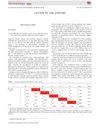
August 2019 in “Australasian journal of dermatology” This letter discusses immunotherapy for severe or resistant alopecia areata in a university hospital in Northern Mexico and reports no new results.
 April 2017 in “Journal of Investigative Dermatology”
 This study found that miR-486 and miR-451 levels were reduced in alopecia areata-affected skin, and delivering their mimics to mice mitigated symptoms by reducing inflammation and immune activity.
 July 2026 in “International Journal of Molecular Sciences”
 This review highlights that a comprehensive approach combining pharmacological, immunomodulatory, and regenerative interventions, including phototherapy enhanced with topical treatments and JAK inhibitors, appears effective and promising in the management of vitiligo by addressing its autoimmune and melanocyte-loss aspects.
 April 2020 in “Trends in Immunotherapy”
 In this study, 60% of patients with alopecia totalis showed partial hair regrowth after being treated with triamcinolone acetonide injections, with one patient achieving complete regrowth and responding well to further immunotherapy.
 5 citations
,
June 2019 in “British Journal of Dermatology”
5 citations
,
June 2019 in “British Journal of Dermatology” No results are provided in this article as it lacks an available abstract, making it unclear what effects apremilast and tofacitinib have in a humanized mouse model of alopecia areata.
 29 citations
,
May 2020 in “npj Regenerative Medicine”
29 citations
,
May 2020 in “npj Regenerative Medicine” This review discusses the role of the immune niche in hair follicle regeneration and its impact on different forms of alopecia, highlighting research gaps and potential therapeutic strategies.
November 2025 in “Journal of Dermatological Treatment” This study reviewed a corticosteroid treatment regimen for a 52-year-old woman with extensive alopecia areata, showing significant hair regrowth and sustained remission over 12 months, suggesting oral mini-pulse therapy as a viable alternative for those ineligible for JAK inhibitors.
 April 2026 in “Frontiers in Medicine”
 This study found that activating hair follicle resident T cells in a human organ culture can induce an alopecia areata-like immune response, and that the drug farudodstat partially reduced this effect.
August 2026 in “Cell Biomaterials” D-chiral biomaterial scaffolds enhance tissue and hair regeneration by activating the body's immune system.
April 2018 in “The journal of investigative dermatology/Journal of investigative dermatology” In this study, IL-1α and IL-7 were found to work together to activate epidermal γδ T-cells, which in turn promote hair follicle stem cell proliferation during mouse wound healing.
 7 citations
,
September 2021 in “Dermatology and Therapy”
7 citations
,
September 2021 in “Dermatology and Therapy” This review examines the implications of COVID-19 vaccination for dermatological patients with psoriasis on immunosuppressive treatment and reports no new clinical results.
58 citations
,
May 2004 in “British Journal of Dermatology” This study found that topical immunotherapy affects angiogenesis and immune cell ratios in the scalp, potentially offering insights into the mechanisms underlying alopecia areata.
65 citations
,
December 2015 in “Experimental dermatology” This study found that both Th1 and Th2 immune responses, along with IL-23 and IL-32 cytokine pathways, are active in alopecia areata lesions, and corticosteroid injections significantly altered these immune markers.
 1 citations
,
February 2021 in “Farmacja Polska”
1 citations
,
February 2021 in “Farmacja Polska” This article reviews the role of the JAK-STAT pathway in inflammatory skin diseases and considers the therapeutic benefits of JAK inhibitors, presenting them as promising treatments but reports no new experimental results.
18 citations
,
May 2019 in “The journal of investigative dermatology/Journal of investigative dermatology” This study observed significant differences in immune cell infiltration and gene expression across different skin sites, with the back displaying higher tolerance-promoting immune mechanisms, which may enhance epicutaneous immunotherapy outcomes.
 23 citations
,
September 2017 in “Journal of the American Academy of Dermatology”
23 citations
,
September 2017 in “Journal of the American Academy of Dermatology” This article hypothesizes that apremilast, a phosphodiesterase 4 inhibitor, could be a targeted treatment for alopecia areata due to its ability to suppress interferon-gamma production, but reports no new clinical results.
 64 citations
,
July 2016 in “Journal of Immunology”
64 citations
,
July 2016 in “Journal of Immunology” In this study, blocking the CXCR3 receptor in mice prevented the development of alopecia areata by inhibiting the accumulation of specific T cells in the skin, suggesting a potential therapeutic approach for humans.
89 citations
,
August 2018 in “JAMA Dermatology” This study found that the level of expected therapeutic regrowth significantly affected hair regrowth outcomes in contact immunotherapy for alopecia areata, suggesting implications for patient education and adherence.
 5 citations
,
January 2016 in “Elsevier eBooks”
5 citations
,
January 2016 in “Elsevier eBooks” This study found that combining AMD-3100 with FK506 in subimmunosuppressive doses enhanced stem cell release from bone marrow, resulting in 25% faster epithelialization in excisional wounds in rats and mice.