58 citations
,
December 2000 in “Experimental Dermatology” This study found that new rabbit antisera against recombinant mouse involucrin effectively marked keratinocyte differentiation, with comparable expression patterns to human involucrin.
101 citations
,
July 1998 in “Journal of Investigative Dermatology” This study found that UV exposure in human skin induces IL-10 production by macrophages, while Langerhans cells are depleted and their IL-12 production is downregulated.
26 citations
,
February 1998 in “DNA and Cell Biology” This research identified that the constitutive and inducible expression of the Keratin 6 gene in transgenic mice skin is controlled by multiple regulatory elements spread throughout its 5' flanking region.
This study identified a new gene in sheep, KRTAP36-2, discovering variants associated with wool yield. Variations in this gene were linked to the efficiency of fleece conversion from greasy to clean, which may enhance wool production.
34 citations
,
January 2022 in “Frontiers in Immunology” This study found that IL-25-mediated-IL-17RB signaling improved diabetic wound healing by enhancing angiogenesis, collagen deposition, and endothelial cell function, suggesting a potential therapeutic strategy for poorly healing diabetic wounds.
September 2025 in “Genes & Diseases” This study explores the role of Lgr6+ cells in tissue development and repair across different organs and associates abnormal Lgr6 expression with major diseases, including tumors, noting its potential as a therapeutic target for cancer and other conditions.
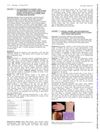
This case report details a child with a specific TNFAIP3 mutation manifesting as a severe SLE/SS phenotype, expanding the known phenotype for this genetic variant.
 November 2025 in “Clinical Cosmetic and Investigational Dermatology”
 LIPH mutations cause woolly hair in some Chinese people.
31 citations
,
October 1992 in “PubMed” This study demonstrated immunological cross-reactivity between mycobacterial heat-shock protein 65 and human epidermal cytokeratin 1/2, suggesting that this cross-reactive epitope might play a role in skin diseases.
 11 citations
,
November 2015 in “Experimental Dermatology”
11 citations
,
November 2015 in “Experimental Dermatology” This study reported that IL-6/STAT3 signaling influences p63 isoform expression in keratinocytes and is involved in wound-induced hair follicle neogenesis, highlighting the interplay between immune and developmental pathways.
 1 citations
,
August 2018 in “bioRxiv (Cold Spring Harbor Laboratory)”
1 citations
,
August 2018 in “bioRxiv (Cold Spring Harbor Laboratory)” This study reports that a novel gain-of-function mutation in TMEM173, combined with polymorphisms in TMEM173 and IFIH1, results in a distinct clinical phenotype with features of SAVI, including alopecia and photosensitivity.
 January 2018 in “Stem cell biology and regenerative medicine”
 This review discusses how the nuclear lamina integrates biochemical and mechanical signals to influence gene expression and skin homeostasis, but reports no new clinical results.
January 2004 in “Kölner Universitäts PublikationsServer (Universität zu Köln)” This study suggests that CD151-integrin complexes inhibit epithelial cell migration, and that disruption of these complexes enhances migration, regulated by Rho GTPase activation differences on distinct laminins.
This study found that interleukin-1α and interleukin-7 secreted by keratinocytes enhance the proliferation of γδT-cells and epidermal stem cells, revealing mechanisms of stem cell activation during wound healing in mice.
32 citations
,
November 1998 in “Journal of Biological Chemistry” This study found that the unique functions of keratin 16 are likely determined by its tail domain, challenging the previous hypothesis about the role of the helix 1B subdomain.
 24 citations
,
May 2019 in “PLOS genetics”
24 citations
,
May 2019 in “PLOS genetics” This study reports that compound heterozygous loss-of-function mutations in the HEPHL1 gene in a child were associated with abnormal hair and cognitive issues, linking altered ferroxidase activity to hair disorders.
10 citations
,
January 2003 in “Dermatology” This study describes a Japanese family with monilethrix and found no clear genotype/phenotype correlation in cases with the E413K mutation in hHb6.
3 citations
,
December 2023 in “Aging” In liver cancer cells, this study found that upregulating hsa_circ_0002980 inhibits cell proliferation, metastasis, and EMT by modulating the miR-1303/CADM2 axis, suggesting it as a potential therapeutic target.
36 citations
,
March 2014 in “Annals of the Rheumatic Diseases” This study found that activating liver X receptors with an agonist reduced skin fibrosis in experimental models, particularly in inflammation-driven conditions, by inhibiting macrophage infiltration and interleukin-6 release.
April 2010 in “The FASEB Journal” This study found that knockout mice lacking intestinal hephaestin are smaller and anemic compared to wild-type, suggesting other mechanisms may compensate for iron absorption.
January 2011 in “Junshi yixue” This study established a murine chronic graft-versus-host disease model with scleroderma features, showing typical skin changes and cellular infiltrates associated with the condition.
64 citations
,
May 2000 in “International Journal of Dermatology” This study found that thalidomide increased peripheral lymphocyte counts and reduced inflammation in lupus erythematosus patients, but was associated with polyneuropathy, suggesting careful use in refractory cases.
 April 2023 in “The journal of investigative dermatology/Journal of investigative dermatology”
 This study found that in immunodeficient mice lacking T cells, certain innate lymphoid cell subsets increased and influenced the hair growth cycle, with specific ILC subsets shown to promote anagen, the active phase of hair growth.
April 2018 in “The journal of investigative dermatology/Journal of investigative dermatology” In this study, IL-1α and IL-7 were found to work together to activate epidermal γδ T-cells, which in turn promote hair follicle stem cell proliferation during mouse wound healing.
 April 2019 in “Journal of Investigative Dermatology”
 This study identifies a mechanism where dsRNA activates TLR3 to induce RA production, promoting hair follicle regeneration in mice and suggesting a potential role in human tissue regeneration.

This study reported that belimumab helped over 40% of active systemic lupus erythematosus patients achieve low disease activity, with more than 20% able to stop glucocorticoids completely.
845 citations
,
February 2001 in “The Journal of Clinical Endocrinology & Metabolism” This study identified the presence of the enzyme 1 alpha-hydroxylase in various extrarenal tissues, suggesting its potential role in modulating vitamin D function in peripheral tissues.
 57 citations
,
January 2013 in “International Journal of Medical Sciences”
57 citations
,
January 2013 in “International Journal of Medical Sciences” This study reports that Lef1 plays a crucial role in promoting bulge stem cell differentiation towards hair fate by activating β-catenin and downstream signaling pathways during hair follicle development.
July 2024 in “Journal of Investigative Dermatology” Sex and race affect immune responses and treatment outcomes in Hidradenitis suppurativa.
 April 2018 in “Journal of Investigative Dermatology”
 This study found that the RNA helicase DDX6 is essential for maintaining self-renewal in epidermal progenitor cells by promoting the translation of proliferation regulators and degrading differentiation-inducing mRNAs.