1 citations
,
September 2024 in “Journal of Clinical & Translational Endocrinology” This study found that women with polycystic ovary syndrome have more pronounced metabolic alterations and higher androgen levels compared to women with eumenorrheic hyperandrogenism, suggesting EuHyperA may be a milder form of PCOS.
4 citations
,
October 2003 in “PubMed” This study in a rat model found that dietary rehabilitation with a high protein diet reversed symptoms of kwashiorkor, suggesting a role for free radicals in its development.
January 2026 in “JCEM Case Reports” This case report presents a rare instance of recurrent ACTH-independent Cushing’s syndrome due to PBMAH, coinciding with the development of a pheochromocytoma, highlighting the need for thorough reevaluation in similar recurring cases.
September 2024 in “Journal of Clinical and Translational Endocrinology Case Reports” This study identified that biotin ingestion led to interference in immunoassay results, falsely indicating high testosterone and insulin levels in a 28-year-old female patient, thus complicating her clinical assessment and treatment planning until recognized and resolved.
1 citations
,
May 2022 in “Reproductive Endocrinology” This review discusses the complexities of diagnosing and managing hyperandrogenism in women, emphasizing the need for careful evaluation of both clinical signs and biochemical markers without reporting new clinical results.
 11 citations
,
January 2013 in “Revista Brasileira De Terapia Intensiva”
11 citations
,
January 2013 in “Revista Brasileira De Terapia Intensiva” This article reports a case of rhabdomyolysis in a patient two hours after consuming the freshwater fish Mylossoma duriventre, suggesting a possible link to Haff disease from an unidentified toxin.
 January 2024 in “Genetics in Medicine Open”
 This case study of a patient with a variant in the extracellular region of IL6ST suggests a potential expansion of the phenotypic spectrum for autosomal dominant hyper-IgE syndrome, warranting further investigation.
135 citations
,
October 1999 in “Journal of Cell Science” This study found that overexpression of PKCα in mouse epidermis increases expression of specific proinflammatory mediators and induces inflammation but does not significantly affect epidermal differentiation, proliferation, or tumor promotion with TPA.
October 2023 in “BMJ Case Reports” This case report describes a man diagnosed with Hoffman syndrome, characterized by muscle hypertrophy and weakness due to severe hypothyroidism, who had an excellent response to thyroid hormone replacement.
2 citations
,
March 2003 in “Endocrine Practice” The woman's symptoms and tests suggest her adrenal glands are producing too many male hormones.
9 citations
,
November 1991 in “American Journal of Kidney Diseases” October 2011 in “The American Journal of Gastroenterology” This case report suggests a potential association between esomeprazole use and hepatic injury, highlighting a temporal relationship with liver enzyme elevation that resolved upon discontinuing the drug.
 9 citations
,
June 2014 in “European Journal of Obstetrics & Gynecology and Reproductive Biology”
9 citations
,
June 2014 in “European Journal of Obstetrics & Gynecology and Reproductive Biology” Blood AMH levels are higher in women with PCOS than in those with other similar conditions.
 23 citations
,
May 1984 in “Journal of the American Geriatrics Society”
23 citations
,
May 1984 in “Journal of the American Geriatrics Society” Benign Prostatic Hyperplasia may be caused by changes in how the body processes male hormones.
 9 citations
,
August 1952 in “The Journal of Clinical Endocrinology & Metabolism”
9 citations
,
August 1952 in “The Journal of Clinical Endocrinology & Metabolism” This study describes a method to estimate endogenous hormone production by neutralizing an endogenous hormone with an oppositely acting hormone.
7 citations
,
January 2022 in “Case Reports in Endocrinology” This case series observed that ovarian hyperthecosis can manifest with hyperandrogenism and insulin resistance in postmenopausal women, even when serum testosterone levels are below diagnostic thresholds, suggesting potential gaps in current diagnostic criteria.
 23 citations
,
January 2016 in “Journal of Nanjing Medical University”
23 citations
,
January 2016 in “Journal of Nanjing Medical University” This study found that higher BMI in PCOS patients at a Chinese clinic was associated with functional disorders of androgen excess, suggesting BMI may predict hyperandrogenism in this population.
 22 citations
,
June 1993 in “Calcified Tissue International”
22 citations
,
June 1993 in “Calcified Tissue International” This study found that women with hyperandrogenic amenorrhea do not show reduced bone mineral density compared to controls, indicating they may be protected from osteopenia.
 September 2011 in “Urology”
 This study aimed to estimate the value of urine prostate specific antigen (uPSA) as a marker for benign prostatic hyperplasia (BPH) but reported no new clinical findings.
4 citations
,
March 1979 in “Journal of Animal Science” This study suggests that feeding pregnant mares protein blocks with urea is as effective as hand-fed protein supplements in supporting hair follicle development and protein status.
15 citations
,
May 2021 in “Climacteric” This review discusses the characteristics, diagnostic challenges, and management options for postmenopausal hyperandrogenism but reports no new clinical results; it highlights the importance of distinguishing potential androgen-producing tumors or hyperandrogenic disorders.
 4 citations
,
June 2005 in “Andrology”
4 citations
,
June 2005 in “Andrology” This case report describes a woman with severe hyperandrogenism due to ovarian tumors, where surgical removal led to dramatic improvement in her diabetes control and reduced insulin requirements.
October 2025 in “Journal of the Endocrine Society” This case report describes a 36-year-old female patient with panhypopituitarism, experiencing severe adrenal insufficiency and thyroid hormone deficiency, which led to electrolyte imbalance, QT interval prolongation, and ventricular tachycardia; treatment stabilized her condition, underscoring the importance of hormonal evaluation in arrhythmia assessment.
 2 citations
,
March 2019 in “Experimental Techniques in Urology & Nephrology”
2 citations
,
March 2019 in “Experimental Techniques in Urology & Nephrology” This article reviews the dermatologic conditions associated with hemodialysis, such as pruritus, xerosis cutis, and skin infections, and does not present new findings.
17 citations
,
January 2016 in “Journal of Drug Delivery” In this study, PEG and keratin scaffolds selectively influenced protein release rates based on charge and size, suggesting their potential for targeted delivery of protein therapeutics.
 January 2025 in “Cermin Dunia Kedokteran”
 This study reported that hypoglycemia is a more frequent complication in type 1 diabetes patients than in type 2, primarily due to inappropriate insulin and anti-diabetes medication dosing.
 60 citations
,
September 2001 in “Journal of the American Academy of Dermatology”
60 citations
,
September 2001 in “Journal of the American Academy of Dermatology” This review discusses the relationship between insulin regulation and hyperandrogenemia in polycystic ovary syndrome, suggesting potential benefits of insulin-lowering treatments for ovarian function but reporting no definitive results for hair-related symptoms.
14 citations
,
August 2021 in “Molecular Genetics and Metabolism Reports” This case series highlights the real-world challenges and experiences of US healthcare providers using pegvaliase for phenylketonuria treatment, emphasizing patient education on adverse events and dietary changes, and tailored titration schedules, while reporting that most patients achieved treatment efficacy despite initial adverse events.
 9 citations
,
December 2024 in “Nano Research”
9 citations
,
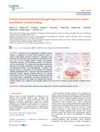
December 2024 in “Nano Research” In a study on diabetic mice, researchers developed a protein-based hydrogel that leverages zinc ions and the natural compound phellopterin to promote cutaneous nerve regeneration, angiogenesis, and tissue remodeling in diabetic wounds, highlighting its potential for advanced wound therapy.
 5 citations
,
December 2004 in “Dermatology”
5 citations
,
December 2004 in “Dermatology” This review describes two cases of young women with primary amenorrhea and hyperandrogenemia, suggesting that adrenal tumors should be considered in patients with significantly elevated circulating testosterone levels.