4 citations
,
September 2024 in “Cell Reports” This study found that mice lacking the CXCR2 receptor regenerated tissue scarlessly in various injury models and that administering plasma or G-CSF from these mice to wild-type mice also reduced scarring, suggesting potential therapeutic strategies to improve human skin wound healing.
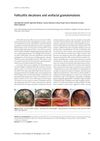 January 2018 in “Advances in Dermatology and Allergology”
 Treatment with dapsone, topical corticosteroids, and antibiotics improved the man's skin conditions.
123 citations
,
January 2020 in “International Journal of Molecular Sciences” This review discusses the role of fibroblast heterogeneity in determining skin scarring versus regeneration and reports no new results, highlighting opportunities for developing antiscarring therapies.
1 citations
,
March 2001 in “JOURNAL OF THE KYORIN MEDICAL SOCIETY” In this study, a collagen sponge with isogenic fibroblasts did not enhance skin graft survival or wound healing in rats, but it did promote re-epithelization, potentially inducing epithelial inclusion cysts.
 May 2025 in “Ambulatornaya khirurgiya = Ambulatory Surgery (Russia)”
 This study found that using platelet-rich plasma in optimal doses improves mesh integration and reduces the risk of chronic pain and fibrosis in hernia repair, but overdoses led to inflammatory complications in rats.
 1 citations
,
June 2024 in “PLoS ONE”
1 citations
,
June 2024 in “PLoS ONE” This study found that implanting hair-follicle-associated pluripotent stem cell sheets facilitated wound healing and early macrophage activity while reducing inflammation in a diabetic mouse model, suggesting clinical potential for difficult-to-heal diabetic ulcers.
January 2008 in “Chinese Journal of Aesthetic and Plastic Surgery” In this study, the authors found that rabbit hair material ground for 8 hours had better suitability and histocompatibility for injectable soft tissue augmentation compared to other tested formulations.
 18 citations
,
April 2022 in “Frontiers in bioengineering and biotechnology”
18 citations
,
April 2022 in “Frontiers in bioengineering and biotechnology” This study found that gelatin microspheres delivering adipose-derived stem cells significantly accelerated diabetic wound healing in rats, suggesting a promising approach for enhancing cell-based therapies.
 August 2026 in “npj Regenerative Medicine”
 This study found that hair follicle micro-graft transplantation significantly improved scar remodeling outcomes in 40 patients, with greater reductions in scar volume, lower scar scores, and enhanced skin characteristics compared to punch excision alone, potentially due to activation of the PI3K-AKT pathway.
January 2012 in “RWTH Publications (RWTH Aachen)” This study found that patient-derived HGF significantly accelerates wound healing in diabetic mice, particularly improving skin structure and flexibility, and rHGF plays a key role in boosting hair growth.
June 2003 in “Clinical orthopaedics and related research” This case study reports a rare instance of Majocchi's granuloma caused by Candida, highlighting the patient's diabetes mellitus and kidney transplant as predisposing factors for the infection.
50 citations
,
December 2007 in “Journal of Biomedical Materials Research Part B Applied Biomaterials” In this study, the combination of keratin-gelatin from poultry feathers promoted early acceptance and viability of full-thickness skin mesh grafts in experimental dogs compared to other treatments.
 35 citations
,
November 2020 in “Experimental Dermatology”
35 citations
,
November 2020 in “Experimental Dermatology” This study found that upper wound fibroblasts are crucial for hair follicle regeneration during wound healing and suggests that these cells, along with papillary fibroblasts, migrate within the wound.
1 citations
,
April 2019 in “The journal of investigative dermatology/Journal of investigative dermatology” This study found that wounding in skin induces significant fibroblast heterogeneity and recruits myeloid cells, which contribute to adipocyte regeneration in mice.
 3 citations
,
May 2017 in “British journal of dermatology/British journal of dermatology, Supplement”
3 citations
,
May 2017 in “British journal of dermatology/British journal of dermatology, Supplement” Certain cells around hair follicles help improve skin regeneration for potential use in skin grafts.
44 citations
,
July 1993 in “Journal of Investigative Dermatology”  1 citations
,
August 2023 in “Journal of cutaneous pathology”
1 citations
,
August 2023 in “Journal of cutaneous pathology” This case report describes an 8 cm giant pilomatricoma on a 67-year-old man's scalp, revealing distinct transcriptional patterns related to hair follicle factors and keratin through spatial gene expression analysis.
 2 citations
,
December 2023 in “Advanced science”
2 citations
,
December 2023 in “Advanced science” This review discusses the roles and mechanisms of glycosaminoglycans in wound healing and presents challenges and potential applications for GAG-based biomaterials without reporting new experimental results.
 41 citations
,
September 2017 in “Advanced Healthcare Materials”
41 citations
,
September 2017 in “Advanced Healthcare Materials” This study found that the DexIEME hydrogel promotes complete skin regeneration and scar attenuation in murine and porcine models, suggesting potential for treating deep dermal injuries.
January 2014 in “Journal of Investigative Dermatology” 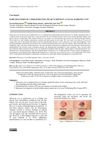 March 2022 in “Folia Medica Indonesiana”
 This case report described a facial hairline tumor initially diagnosed as a sebaceous cyst but ultimately confirmed as a rare Proliferating Pilar Tumor with focal malignancies upon histopathological examination.
 3 citations
,
January 2012 in “Elsevier eBooks”
3 citations
,
January 2012 in “Elsevier eBooks” Burn scars form abnormally due to changes in wound healing, and more research is needed to improve treatments.
 20 citations
,
August 2022 in “Frontiers in Immunology”
20 citations
,
August 2022 in “Frontiers in Immunology” This review discusses the role of fibroblasts in treating diabetic complications and wound healing, highlighting their potential as immunomodulatory factors but provides no new clinical results.
 February 2026 in “Journal of Cutaneous and Aesthetic Surgery”
 In this study, a case of a 20-year-old woman revealed ectopic acanthosis nigricans at a post-syndactyly-release surgical site, suggesting this rare condition could result from epidermal–dermal mismatch and altered growth factor signaling in grafted skin, without indicating any metabolic or malignancy concerns.
 8 citations
,
April 1979 in “Journal of Cutaneous Pathology”
8 citations
,
April 1979 in “Journal of Cutaneous Pathology” This study observed that multinucleate giant cells were present in 31% of biopsy specimens from patients with male pattern alopecia but not in other alopecia types, suggesting a potential histologic marker for androgenetic alopecia.
3 citations
,
January 2012 in “Journal of Investigative Dermatology” Inhibiting PGD2 and using dermal papilla cells may improve skin and hair regeneration.
29 citations
,
September 2019 in “Stem Cells International” This study observed that a treatment combining platelet-rich fibrin and micrograft spray-on skin led to rapid and complete wound healing in both massive and chronic burn patients within an average of 7-10 days.
 10 citations
,
September 2018 in “Regenerative Medicine”
10 citations
,
September 2018 in “Regenerative Medicine” This review explores the mechanism and potential applications of wound-induced hair follicle neogenesis but reports no new clinical results, highlighting the need for further research in hair regeneration therapies.
 38 citations
,
June 2016 in “Nanomedicine: Nanotechnology, Biology and Medicine”
38 citations
,
June 2016 in “Nanomedicine: Nanotechnology, Biology and Medicine” In this study, the RADA-PRG hydrogel enhanced SKP proliferation, survival, and gene expression, effectively supporting hair follicle regeneration in mice.
169 citations
,
January 2020 in “Burns & Trauma” In this study, autologous platelet-rich plasma improved skin wound healing in mice, associated with reduced inflammation and enhanced angiogenesis and re-epithelialization, but the underlying regulatory mechanism requires further investigation.