 March 2024 in “Stem cell research & therapy”
 This study found that conditioned medium from human dental pulp stem cells (particularly under hypoxic conditions) improved keratinocyte survival and hair regrowth in a chemotherapy-induced alopecia mouse model and did not promote tumor growth, suggesting potential for safe therapeutic use.
107 citations
,
April 2014 in “The Plant cell” In this study, researchers showed that the CAP1 gene regulates root hair growth in plants by modulating cytoplasmic ammonium levels and maintaining calcium gradients, highlighting its role in ammonium homeostasis.
20 citations
,
June 2020 in “Journal of Cosmetic Dermatology” This study found that hypoxia increases the proliferation of dermal papilla cells and highlighted the important role of lactate dehydrogenase in this process.
17 citations
,
October 2015 in “The Journal of Physiology” This study found that in newborn rats treated with caffeine, progesterone increased apnoea frequency by inhibiting breathing, suggesting it may not be suitable for preterm neonates without addressing allopregnanolone's effects.
2 citations
,
December 2019 in “Chinese medical journal/Chinese Medical Journal” This case report describes a rare instance of tinea capitis caused by Trichophyton tonsurans in a Chinese patient, followed by the development of herpes zoster, suggesting a potential link to immunosuppression.
 555 citations
,
April 2002 in “The Lancet”
555 citations
,
April 2002 in “The Lancet” This study found that off-pump coronary surgery significantly reduces in-hospital morbidity compared to on-pump surgery without affecting midterm outcomes in the first 1-3 years after the procedure.
April 2020 in “BMC endocrine disorders” This case report describes a 65-year-old woman with childhood-onset growth hormone deficiency who developed panhypopituitarism, including late-onset secondary hypoadrenocorticism, affecting her respiratory and renal function.
 August 2023 in “Authorea (Authorea)”
 This article highlights that tinea capitis, a fungal scalp infection primarily seen in children, is often misdiagnosed in adults, especially postmenopausal women and immunocompromised individuals, leading to unnecessary treatments and potential permanent hair loss if not correctly identified and treated.
 3 citations
,
January 2012 in “Internal Medicine”
3 citations
,
January 2012 in “Internal Medicine” In this case study, a 68-year-old woman was diagnosed with central diabetes insipidus and hypothalamic hypopituitarism due to a Rathke's cleft cyst.
62 citations
,
January 2009 in “Epilepsia” In this study, status epilepticus in rats induced P450scc in hippocampal glia, which was associated with a delayed onset of spontaneous seizures, while inhibiting neurosteroid synthesis accelerated seizure onset if P450scc was significantly increased.
 October 2022 in “Respiratory Medicine”
 In this study, patients with post-COVID syndrome who were admitted to RICU were more likely to develop mood disorders compared to those admitted to ICU.
29 citations
,
December 1998 in “European Respiratory Journal” This study found that exposure to hair bleach aerosols containing persulphates and hydrogen peroxide induced airway hyperresponsiveness to acetylcholine in rabbits.
 November 2025 in “Undersea and Hyperbaric Medicine”
 This case report observed that a patient experienced worsening alopecia and scarring after medical ozone therapy, with subsequent improvement following surgical intervention and systemic hyperbaric oxygenation.
 January 2024 in “Anaesthesia reports”
 Using a gel head pad during surgery can cause hair loss in children.
January 2026 in “JCEM Case Reports” This case report presents a rare instance of recurrent ACTH-independent Cushing’s syndrome due to PBMAH, coinciding with the development of a pheochromocytoma, highlighting the need for thorough reevaluation in similar recurring cases.
14 citations
,
March 2014 in “Acta anaesthesiologica Taiwanica” This report presents a case of Tapia's syndrome and pressure alopecia occurring simultaneously after open septorhinoplasty, emphasizing the need for awareness of these complications among anesthesiologists and surgeons.
13 citations
,
July 2009 in “Pediatrics in Review” This review discusses the diagnosis and treatment of 21-hydroxylase deficiency in congenital adrenal hyperplasia and emphasizes the need for earlier detection and proper management; it reports no clinical results.
 143 citations
,
October 2008 in “Journal of The American Academy of Dermatology”
143 citations
,
October 2008 in “Journal of The American Academy of Dermatology” This study found that comma hairs are a distinctive feature of tinea capitis caused by Microsporum canis, distinguishing it from alopecia areata, which is characterized by exclamation mark hairs.
This study suggests that individuals with severe sickle cell disease, indicated by higher hemoglobin S and ferritin levels, may have lower cortisol levels as shown by reduced hair cortisol content.
 2 citations
,
September 2022 in “Actas dermo-sifiliográficas/Actas dermo-sifiliográficas”
2 citations
,
September 2022 in “Actas dermo-sifiliográficas/Actas dermo-sifiliográficas” This article discusses the sensitive skin condition of the scalp, its clinical manifestations, triggers, and individualized treatment options, but reports no new clinical results.
3 citations
,
January 2012 This study concluded that human sweat contributes to hair cortisol concentrations, potentially affecting interpretations of chronic stress and OSA-related stress levels, with CPAP reducing psychological but not physiological stress after 3 months.
 10 citations
,
February 2019 in “BMC pediatrics”
10 citations
,
February 2019 in “BMC pediatrics” This case report highlights the importance of accurately diagnosing and treating tinea capitis in infants to prevent recurrences and therapeutic failures.
 3 citations
,
October 2010 in “Epilepsy Currents”
3 citations
,
October 2010 in “Epilepsy Currents” This study found that when metabolism changes and extracellular glucose decreases, hippocampal CA3 neurons release ATP, which is converted to adenosine and reduces neuron excitability, enhancing the seizure threshold.
 June 2017 in “Çocuk Enfeksiyon Dergisi/Journal of Pediatric Infection”
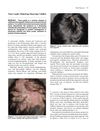
 This report describes two cases of urticarial id reaction linked to tinea capitis profunda, highlighting a potential new etiology for this rare condition.
 9 citations
,
October 2013 in “Pediatric dermatology”
9 citations
,
October 2013 in “Pediatric dermatology” This study highlights a dissecting cellulitis-like presentation of tinea capitis in children that should be identified to ensure correct diagnosis and treatment to prevent scarring alopecia.
 September 2016 in “Archives of Pediatric Infectious Diseases”
 This case study reports that chronic skull base osteomyelitis should be considered a serious complication in patients with a history of cranial trauma or scalp procedures, despite its rarity.
73 citations
,
January 1980 in “Annals of Neurology” This case report describes a child developing pancreatitis directly linked to valproic acid therapy.
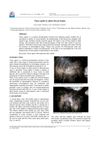
This report presents the first known case of tinea capitis caused by Microsporum canis in an adult female in the authors' locality, responsive to oral fluconazole treatment.
34 citations
,
February 2023 in “Frontiers in Public Health” This meta-analysis found that hospitalized COVID-19 survivors have a significantly higher risk of experiencing long-term symptoms like dyspnea, anxiety, myalgia, and hair loss compared to those not hospitalized.
 10 citations
,
December 2002 in “International Journal of Dermatology”
10 citations
,
December 2002 in “International Journal of Dermatology” This case study reports a 66-year-old woman developing shortness of breath while taking 50 mg/day of cyproterone acetate for androgenetic alopecia, a complication not previously documented in women with this condition.