30 citations
,
September 2024 in “Pharmaceuticals” This research highlights the potential of using bioactive silk-based nanofiber dressings to improve the healing of diabetic wounds, suggesting that further studies are needed to refine these formulations and confirm their effectiveness in larger clinical trials.
 April 2023 in “Journal of Investigative Dermatology”
 This study found that occlusive dressings on mouse wounds eliminated wound-induced hair neogenesis by upregulating mechanotransduction, which promotes fibrosis, and suppressing Wnt signaling involved in regeneration.
76 citations
,
February 2024 in “International Journal of Molecular Sciences” This review discusses the growing importance of hydrogel scaffolds in skin wound healing, highlighting their unique properties and recent advancements in their use for treating difficult tissue damage, particularly within tissue engineering.
 5 citations
,
January 2023 in “Journal of the European Academy of Dermatology and Venereology”
5 citations
,
January 2023 in “Journal of the European Academy of Dermatology and Venereology” This study emphasizes the importance of understanding cosmetic procedures and their risks, particularly for individuals with darker skin, and highlights expert recommendations for pre- and post-procedure skin care, including the use of broad-spectrum sunscreen to prevent and improve pigmentation disorders.

This study found that plasma-activated water significantly improved wound healing in diabetic rats compared to both atmospheric pressure cold plasma and conventional dressings.
 April 2026 in “Frontiers in Bioengineering and Biotechnology”
 This study found that a cellulose membrane significantly shortened the healing time and reduced the ulcer area in patients with chronic venous leg ulcers compared to a standard antimicrobial dressing.
 June 2026 in “Gümüşhane Üniversitesi Fen Bilimleri Enstitüsü Dergisi”
 This study observed that biodegradable PVA/agar films with incorporated Achillea millefolium L. essential oil, especially at 1% (v/v), demonstrated good mechanical performance and selective antibacterial activity against E. coli, suggesting their potential as wound dressings.
2 citations
,
July 2025 in “Chemical Engineering Journal” The hydrogel dressing effectively treats infected wounds by combining infection control and tissue regeneration.
March 2026 in “ACS Omega” This study reported that a novel hydrogel wound dressing, created using a Brachybotrys paridiformis polysaccharide derivative and chitosan, significantly accelerated wound healing and tissue regeneration in vivo, showing nearly complete healing by day 15 compared to controls.
2 citations
,
February 2024 in “Pharmaceutics” This review highlights that while chitosan-based wound dressings with silver nanoparticles show promise for treating infected wounds due to enhanced antimicrobial activity, further studies are needed to address their in vivo toxicity and evaluate their efficacy in infectious animal models.
169 citations
,
October 2020 in “Pharmaceutics” This review discusses recent advancements in formulating electrospun nanofibers as wound dressings, emphasizing their advantages in incorporating bioagents for improved healing, but reports no new clinical results.
4 citations
,
September 2025 in “Pharmaceutics” This review highlights the potential of natural hydrogels as advanced wound dressings, emphasizing their capabilities in mimicking the extracellular matrix, supporting healing, and delivering therapeutic agents for chronic and infected wound care.
 July 2026 in “Pharmaceuticals”
 This review discusses the potential of marine-derived polysaccharide nanofibers as advanced wound dressings, highlighting their regenerative advantages in addressing inflammation, oxidative stress, and other healing barriers. However, it notes that clinical translation is limited by challenges in standardization, evidence, safety, and production scalability.
 150 citations
,
June 2014 in “Biomaterials”
150 citations
,
June 2014 in “Biomaterials” This study found that 'smart' peptide hydrogels improved wound healing in a rat model of partial thickness burns, achieving greater wound closure and faster debridement compared to a standard treatment.
19 citations
,
January 2023 in “ACS Omega” This study developed sodium alginate and epigallocatechin gallate cryogels cross-linked with ferric ions, showing that they have strong antibacterial properties and rapid hemostatic abilities, making them promising candidates for wound dressing applications.
57 citations
,
November 2024 in “Aggregate” This review article highlights recent advancements in smart hydrogels as promising solutions for diabetic wound management, emphasizing their ability to respond to wound environments and deliver targeted therapies, while addressing limitations of traditional dressings.
 30 citations
,
June 2024 in “Scientific Reports”
30 citations
,
June 2024 in “Scientific Reports” This study explored a keratin, sodium alginate, and carboxymethyl chitosan hydrogel modified with tannic acid and found it to have promising wound-healing qualities, including similar elasticity to human skin, antimicrobial and antioxidant properties, and effective water retention. These attributes suggest potential applications in biomedical engineering.
 2 citations
,
October 2025 in “Journal of Materials Science Materials in Medicine”
2 citations
,
October 2025 in “Journal of Materials Science Materials in Medicine” In this study, researchers developed a novel zinc oxide nanoflower-infused nanocomposite that demonstrated promising results in accelerating wound healing in a murine model, with enhanced angiogenesis, reduced inflammation, and improved collagen deposition compared to a control group.
 September 2012 in “Emergency medicine news”
 This article reviews the therapeutic potential and challenges of using manuka honey for various health conditions, including its possible advantages over regular honey, but does not present new clinical findings.
18 citations
,
December 2022 in “Frontiers in Bioengineering and Biotechnology” This minireview summarizes current strategies using superwettable bio-interfaces for wound care, focusing on managing biofluids, and offers insights for designing advanced materials in this field, but reports no new clinical results.
89 citations
,
April 2015 in “Materials Science and Engineering C” Keratin-based hydrogels from human hair improve wound healing effectively.
213 citations
,
September 2020 in “Journal of Functional Biomaterials” This review discusses bio-based polymers, highlighting their potential in wound healing applications, but reports no new clinical results.
17 citations
,
October 2023 in “Polymers” This review highlights advancements in electrospun nanofibers, focusing on their potential applications in biomedical technologies, chemical and biological sensing, and energy harvesting within IoT devices.
90 citations
,
October 2023 in “Advanced Drug Delivery Reviews” This review highlights that unresolved inflammation is a major issue in diabetic foot ulcers and discusses emerging biomaterials-based strategies to modulate the inflammatory response, potentially aiding in tissue regeneration and healing in these chronic wounds.
 February 2024 in “Bioengineering”
 This study found that a hydrogel formulation containing insulin, chitosan, and hydroxypropyl methyl cellulose improved wound healing in diabetic mice, promoting faster wound closure and organized tissue formation, with in vitro tests showing no cytotoxicity and enhanced cell migration.
 February 2026 in “Preprints.org”
 This review synthesizes the latest advances in wound healing and scar management, exploring molecular mechanisms, therapeutic strategies, and providing an evidence-based comparison of topical agents like Dermatix Ultra and Contractubex for scar improvement, aimed at informing clinicians and patients in decision-making.
 July 2024 in “Current Pharmaceutical Design”
 This study reviews advancements in the use of biodegradable polymers for wound healing, highlighting various polymer formulations and the observed enhancement of processes like cell proliferation and wound healing in both in-vitro and in-vivo experiments.
 8 citations
,
July 1990 in “Archives of Dermatology”
8 citations
,
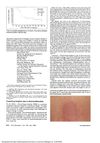
July 1990 in “Archives of Dermatology” This case report details a fixed-drug eruption in a woman linked to the use of dextromethorphan, marking it as a previously unreported skin reaction to this medication.
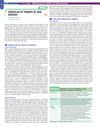
Use the least toxic, most specific treatments for skin diseases, considering side effects and individual patient needs.
 6 citations
,
April 2022 in “Cellular and Molecular Life Sciences”
6 citations
,
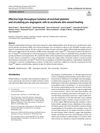
April 2022 in “Cellular and Molecular Life Sciences” This study reports that a new protocol using Angio PRP improved wound healing in mice by enhancing key healing processes and regulating inflammation, suggesting potential for clinical advancements.