 May 2002 in “British Journal of Dermatology”
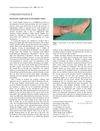
 A pregnant woman's skin condition improved after giving birth, possibly due to high estrogen levels during pregnancy.
 January 2015 in “Durham e-Theses (Durham University)”
 This study found that glucose starvation and hypoxia are physiological triggers of ER stress in in vitro differentiated adipocytes, rather than high concentrations of saturated fatty acids, cholesterol, or proinflammatory cytokines.
 48 citations
,
January 2011 in “Circulation”
48 citations
,
January 2011 in “Circulation” This report from the American Heart Association highlights that while death rates from cardiovascular diseases have declined significantly, the overall burden of these diseases remains high in the U.S.
 December 2025 in “International Journal of Ayurvedic Medicine”
 This review reports that Fenugreek seeds contain compounds like Galactomannan and Trigonelline, which show anti-diabetic and anti-hyperlipidemic effects, while Fenugreek leaves have high saponin content, contributing to their anti-microbial activities.
54 citations
,
October 2010 in “Clinics in dermatology” This article reviews the impact of diet on acne, suggesting that dairy and high-glycemic foods may contribute to acne development, but it presents no new clinical findings.
 2 citations
,
February 2023 in “BMC endocrine disorders”
2 citations
,
February 2023 in “BMC endocrine disorders” This study found that curcumin lowered fasting blood sugar levels and improved menstruation characteristics in women with polycystic ovary syndrome, but it did not affect other metabolic, hormonal, or hirsutism indices.
10 citations
,
May 2025 in “Nutrition & Metabolism” This review highlights that metabolic syndrome is intricately linked with various skin conditions such as inflammatory skin diseases and tumors through mechanisms involving insulin resistance and chronic inflammation, aiming to guide clinicians on effective treatments and preventive strategies for affected patients.
 January 2025 in “Journal of Cosmetic Dermatology”
 This study found that in patients with seborrheic dermatitis, higher BMI and poor nutrition habits, such as increased consumption of bread and margarine, were associated with more severe disease, and these patients also experienced higher anxiety and stress levels compared to healthy controls.
2 citations
,
August 2022 in “Middle East Fertility Society Journal” This study found that combining fructose and DHT in rats successfully mimicked the clinical phenotypes of non-lean PCOS, providing a novel rodent model for this condition.
 February 2024 in “Curēus”
 This review highlights the critical importance of a balanced diet, with adequate proteins, vitamins, and minerals, to support skin health and potentially treat inflammatory skin conditions like psoriasis and atopic dermatitis, emphasizing the need for evidence-based dietary guidance.
 July 2015 in “Egyptian Journal of Dermatology and Venereology”
 This study concluded that patients with androgenetic alopecia may have a higher risk of cardiovascular diseases compared to people without this condition.
 18 citations
,
June 2019 in “Clinical research in dermatology”
18 citations
,
June 2019 in “Clinical research in dermatology” This review discusses psychological impacts associated with facial acne, noting that high levels of anxiety and depression among these patients are not linked to oxidative stress, and reports no new clinical results.
 5 citations
,
October 2021 in “Journal of Ovarian Research”
5 citations
,
October 2021 in “Journal of Ovarian Research” This review indicates promising potential for cinnamon supplementation to improve metabolic outcomes in PCOS, but more clinical trials with higher doses and longer durations are needed to confirm these effects.
4 citations
,
December 2021 in “Pharmacological Reports” This study found that metformin's metabolic benefits, such as reducing fat content and improving insulin sensitivity, were less pronounced in men with early-onset androgenic alopecia compared to those with normal hair growth, possibly due to differences in systemic inflammation and vitamin D status.
 February 2022 in “Mediators of Inflammation”
 This study found that reduced plasma DIAPH1 levels were associated with polycystic ovary syndrome, suggesting DIAPH1 as a potential predictive factor for the condition.
 20 citations
,
August 2022 in “Archives of Medical Science”
20 citations
,
August 2022 in “Archives of Medical Science” This publication discusses the 2021 ESC Guidelines for the prevention of cardiovascular disease in clinical practice and reports no new results.
 3 citations
,
May 2023 in “Biomedicines”
3 citations
,
May 2023 in “Biomedicines” This article reviews the immunometabolic mechanisms linking polycystic ovary syndrome to infertility and stresses the need for interdisciplinary approaches to treat PCOS-related fertility issues; it reports no new clinical results.
 3 citations
,
September 2021 in “International Journal of Molecular Sciences”
3 citations
,
September 2021 in “International Journal of Molecular Sciences” This study suggests that women with polycystic ovary syndrome may have an increased risk of COVID-19-related cardiac and renal complications, and that weight loss through lifestyle changes could help reduce these risks.
67 citations
,
December 2013 in “Journal of Biological Chemistry” This review discusses the role of the enzyme Δ9-desaturase-1 in skin lipid regulation and whole-body energy balance in mice and reports no new experimental results.
 4 citations
,
January 1994
4 citations
,
January 1994 This article reviews the consumption patterns and historical use of Allium vegetables like onions and garlic for their potential antimicrobial and cardiovascular benefits, but reports no new clinical findings.
 47 citations
,
June 2012 in “Genes & Development”
47 citations
,
June 2012 in “Genes & Development” This study found that maternal consumption of a western diet in mice led to toxic milk production, causing inflammation and alopecia in nursing neonates due to Toll-like-receptor activation.
 2 citations
,
July 2024 in “Ibn AL- Haitham Journal For Pure and Applied Science”
2 citations
,
July 2024 in “Ibn AL- Haitham Journal For Pure and Applied Science” This study found that PCOS women with COVID-19 had lower ACE2 levels and higher insulin resistance, suggesting increased cardiovascular risk.
 54 citations
,
September 1972 in “British journal of nutrition”
54 citations
,
September 1972 in “British journal of nutrition” Malnutrition severely harms growth and development in young baboons.
 37 citations
,
October 2004 in “Adolescent Medicine Clinics”
37 citations
,
October 2004 in “Adolescent Medicine Clinics” This article discusses the application and considerations of bariatric surgery for adolescents with severe obesity, highlighting the need for specialized programs but reporting no new clinical results.
 32 citations
,
December 1969 in “The Lancet”
32 citations
,
December 1969 in “The Lancet” This study found a significant shift to the telogen phase in the hair growth of children with classical marasmus compared to normal children, suggesting a connection to the chronicity of the condition.
 9 citations
,
August 1952 in “The Journal of Clinical Endocrinology & Metabolism”
9 citations
,
August 1952 in “The Journal of Clinical Endocrinology & Metabolism” This study describes a method to estimate endogenous hormone production by neutralizing an endogenous hormone with an oppositely acting hormone.
 1 citations
,
April 2021 in “Plant Archives/Plant archives”
1 citations
,
April 2021 in “Plant Archives/Plant archives” This review discusses the potential health benefits of Allium vegetables, especially their association with reduced cancer risk, but reports no new clinical outcomes.
 February 2024 in “Bangladesh pharmaceutical journal”
 This study measured the amounts of thiamine and riboflavin in Bogura's Geographical Indication branded yogurt and whey, finding them rich in these vitamins, which are beneficial for health.
 January 2020 in “Asian Journal of Basic Science & Research”
 This review discusses the role of Nutrease powder in managing hormonal disturbances in polycystic ovary syndrome and reports no new clinical results.
 January 2018 in “Journal of general practice”
 Young people are losing hair due to stress, poor diet, pollution, and lack of sleep, but it can be treated with supplements and scalp treatments.