 April 2023 in “The journal of investigative dermatology/Journal of investigative dermatology”
 This study revealed distinct cellular and transcriptomic differences among various subtypes of cutaneous T-cell lymphoma, particularly highlighting characteristics unique to folliculotropic mycosis fungoides.
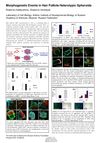
This study found that hyaluronic acid increased the size of hair follicle germ-like aggregates and the number of proliferative cells but did not maintain specific markers during the process.
15 citations
,
February 2024 in “Skin Research and Technology” This article reviews technological advances in skin ultrasonography and magnetic resonance and highlights the pivotal contributions of the Editors, the Editorial Board, and the Journal to these fields. No specific experimental results are reported.
July 2026 in “Dermatology Practical & Conceptual” This review assessed trichoscopic findings in folliculotropic mycosis fungoides of the scalp, reporting features like milky-red globules and distinct vascular patterns, but noted the predominance of small studies and the need for larger research to validate trichoscopy's diagnostic utility for this condition.
59 citations
,
January 2003 in “Phytomedicine” This study found that a cream containing 2% Fennel extract reduced hair diameter in idiopathic hirsutism patients more effectively than a cream with 1% Fennel or a placebo.
 21 citations
,
January 2018 in “Anticancer Research”
21 citations
,
January 2018 in “Anticancer Research” This study suggests that NBCCS and BFHS may be the same genetic condition, which could help improve identification and management of misdiagnosed cases with specific surveillance strategies.
 January 2024 in “Asian Journal of Medical Sciences”
 In this study, researchers in South India observed that dermoscopic features like hair diameter diversity and miniaturized hair were common in female pattern hair loss, with yellow dots and honeycombing indicating more advanced stages, highlighting dermoscopy's utility in diagnosing and differentiating FPHL early.
1 citations
,
March 2012 in “Actas dermo-sifiliográficas/Actas dermo-sifiliográficas” Dermoscopy helps diagnose frontal fibrosing alopecia by identifying specific scalp features.
1 citations
,
April 2016 in “Journal of Investigative Dermatology” Patients with Focal Dermal Hypoplasia often experience skin, nail, hair, and bone issues, and may benefit from calcium and vitamin D supplements.
 27 citations
,
January 2006 in “Dermatologic Surgery”
27 citations
,
January 2006 in “Dermatologic Surgery” This study found that the SAFE System may improve follicular unit extraction by reducing follicle transection rates and broadening patient eligibility, with only minor adverse reactions reported.
3 citations
,
September 2013 in “Journal of the American Academy of Dermatology” This report details two patients with Hutchinson-Gilford Progeria syndrome who exhibited generalized shiny skin in infancy and had a novel mutation in the LMNA gene.
June 2023 in “Zenodo (CERN European Organization for Nuclear Research)” This review discusses Hutchinson-Gilford Progeria Syndrome, its symptomatology, and the progress in developing treatment strategies, emphasizing that while a cure remains elusive, advances in understanding the disease's molecular mechanisms show promise for future approaches.
8 citations
,
July 2017 in “The journal of investigative dermatology/Journal of investigative dermatology” This study identified four circulating microRNAs as highly predictive of frontal fibrosing alopecia status, suggesting potential roles in diagnostics and disease understanding.
 April 2008 in “Obstetrics, gynaecology and reproductive medicine”
 This article reviews the diagnosis and management of hirsutism in women, discussing its causes, assessment, and treatment options; no new clinical findings are included.
 98 citations
,
July 2011 in “Fertility and Sterility”
98 citations
,
July 2011 in “Fertility and Sterility” This study determined that an mFG score of 5 or greater defines hirsutism among Southern Chinese women, with prevalence and score thresholds decreasing with age.
 May 2026 in “Research Square”
 In this study of women aged 18-45 from an endocrine referral group, researchers found that while clinical hirsutism severity is independently associated with biochemical hyperandrogenism, the relationship is modest and suggests different biological aspects are at play.
June 2023 in “Dermatopathology” In this case report, researchers described a unique skin lesion in a 55-year-old woman, identifying it as folliculosebaceous cystic hamartoma with an unusual combination of spindle cell lipomatous and neural components, which had not been previously documented in such cases.
 1 citations
,
October 2023 in “Journal of the Pakistan Medical Association”
1 citations
,
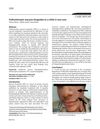
October 2023 in “Journal of the Pakistan Medical Association” This source describes a case of a 12-year-old male diagnosed with folliculotropic mycosis fungoides, presenting with an asymptomatic, erythematous plaque. Histology and immunohistochemistry confirmed FMF, which is typically rare in children and marked by follicular infiltration by CD4+ lymphocytes.
This study utilized 3D ultra-high frequency ultrasound to effectively detect different disease phases of alopecia areata by visualizing hair follicle structures and identifying unique pathological signs, offering a promising non-invasive diagnostic tool that surpasses conventional methods.
 February 2026 in “Annals of dermatological science.”
 In this case report, two young women with female pattern hair loss experienced significant hair regrowth without adverse effects after six months of treatment with bone-marrow-derived mesenchymal stem cells and their extracellular vesicles, suggesting potential for this approach when conventional treatments fail.
7 citations
,
August 2019 in “JAAD Case Reports” This article reviews the potential relationship between serum amyloid A and hidradenitis suppurativa, highlighting genetic influences, but reports no new clinical findings.
November 2020 in “Journal of the American Academy of Dermatology” Intense pulsed light with radiofrequency showed mixed results in improving quality of life for hidradenitis suppurativa patients, with no clinical improvements.
 October 2022 in “Boletín médico del Hospital infantil de México/Boletín médico del Hospital Infantil de México”
 This case report describes an 18-year-old male with a rare acquired smooth muscle hamartoma on his face, characterized by hyperpigmented plaques and increased hair growth, suggesting a histological overlap with folliculosebaceous cystic hamartoma.
 26 citations
,
December 2015 in “Journal of The European Academy of Dermatology and Venereology”
26 citations
,
December 2015 in “Journal of The European Academy of Dermatology and Venereology” This article introduces a new grading system called the FPHL Severity Index to better identify and monitor early stages of female pattern hair loss using clinical criteria.
 September 2018 in “Cumhuriyet medical journal”
 This study found that women with severe hirsutism have thicker subcutaneous abdominal fatty tissue and are more likely to develop metabolic syndrome compared to those with moderate hirsutism.
April 2019 in “Journal of Investigative Dermatology” This study found that frontal fibrosing alopecia involves distinct molecular changes, such as downregulation of steroid and cholesterol pathways and upregulation of fibrotic and immune response genes, which may help guide treatment strategies.
 3 citations
,
December 2020 in “International Journal of Women's Dermatology”
3 citations
,
December 2020 in “International Journal of Women's Dermatology” Scalp micro-wounding helps promote hair growth in female pattern hair loss.
December 2023 in “JEADV Clinical Practice” This study found that dermoscopy of the axilla in patients with frontal fibrosing alopecia revealed significantly higher odds of brownish peripillary halos, suggesting a diagnostic clue for the condition in this region.
109 citations
,
April 1998 in “Journal of Investigative Dermatology” This study found that recombinant human HGF/SF injections altered hair follicle growth cycles and mildly promoted hair elongation in mice, depending on their hair cycle stage.
2 citations
,
January 2016 in “Dermatology online journal” This case report describes a 46-year-old man diagnosed with frontal fibrosing alopecia, a condition primarily affecting postmenopausal women, highlighting its rare occurrence in men.