August 2017 in “Revista de la Facultad de Ciencias Médicas (Quito)/Revista de la Facultad de Ciencias Médicas” In this study, men with early-onset androgenetic alopecia were found to have a higher risk of prostate cancer, suggesting early screening could be beneficial for these individuals.
January 2026 in “Experimental Dermatology” This review discusses the role of keratinocytes in hidradenitis suppurativa, highlighting their genetic and metabolic influences on disease progression without presenting new clinical results.
 7 citations
,
December 2014 in “Australasian journal of dermatology”
7 citations
,
December 2014 in “Australasian journal of dermatology” In this study, insulin resistance was observed at similar rates in non-obese women with idiopathic hirsutism, those with PCOS, and healthy controls.
 28 citations
,
March 2016 in “Toxicologic pathology”
28 citations
,
March 2016 in “Toxicologic pathology” This review discusses the function and pathology of hair follicles and highlights the potential of using dogs as a model to study human hair and stem cell disorders, but presents no new experimental results.
12 citations
,
December 2016 in “PubMed” This review discusses causes, diagnostic guidelines, and management strategies for hirsutism, highlighting the need for appropriate evaluations and treatment considerations in different patient populations, but reports no new clinical results.
42 citations
,
December 1976 in “PubMed” This study found that the combination of cyproterone acetate and ethinyl estradiol improved hirsutism and acne in women, with SH 8.1041 showing significant results and both treatments being generally well-tolerated.
 14 citations
,
March 2010 in “Gynecological endocrinology”
14 citations
,
March 2010 in “Gynecological endocrinology” This article provides an overview of treatment options for hirsutism, summarizing both pharmacologic and non-pharmacologic approaches, but reports no new clinical results.
 1 citations
,
January 2015 in “Journal of clinical and investigative dermatology”
1 citations
,
January 2015 in “Journal of clinical and investigative dermatology” This study suggests that IGF-1, a component of human placenta hydrolysate, promotes hair growth by increasing the number and size of hair follicles in mice.
 April 2017 in “Journal of evolution of medical and dental sciences”
 This study reports that polycystic ovary syndrome was the most common cause of hirsutism among Indian patients, with 70% of cases associated with this condition.
 May 2026 in “Indian Journal of Medical Biochemistry”
 This review highlights that hair cortisol levels, linked to pregnancy changes and higher in conditions like PCOS, are promising stress biomarkers in female reproductive health, though further research is needed.
6 citations
,
April 2023 in “Current Issues in Molecular Biology” This study identified three variants in the HR gene among Mexican patients with alopecia areata, with one novel variant potentially serving as a risk factor for the disease.
 17 citations
,
February 1989 in “Fertility and sterility”
17 citations
,
February 1989 in “Fertility and sterility” In this study, cimetidine at a daily dose of 1.5 gm for 3 months did not significantly affect hair growth in women with moderate to severe hirsutism.
 July 2008 in “Hair transplant forum international”
 This piece marks the tenth anniversary of the American Board of Hair Restoration Surgery and highlights the addition of 14 new diplomates from diverse countries, while reporting no new clinical findings.
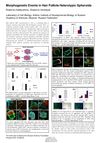
This study found that hyaluronic acid increased the size of hair follicle germ-like aggregates and the number of proliferative cells but did not maintain specific markers during the process.
 135 citations
,
August 1994 in “Clinical Endocrinology”
135 citations
,
August 1994 in “Clinical Endocrinology” In this study of women with hirsutism or androgenic alopecia, diverse underlying endocrine disorders including polycystic ovaries and various enzyme deficiencies were detected, often associated with elevated testosterone levels.
 November 2023 in “The journal of investigative dermatology/Journal of investigative dermatology”
 This study suggests that hemoglobin α expression in the epidermis is induced by oxidative stress and may function as an antioxidant, contributing to skin barrier function.
February 2026 in “Experimental Dermatology” In human hair follicle cultures, this study found that cyclohexyl salicylate, an OR2A4/7 agonist, promoted hair growth by delaying catagen development and expanding epithelial stem cell progeny, suggesting its potential as a non-drug hair loss treatment.
 26 citations
,
April 2007 in “Journal of pediatric gastroenterology and nutrition”
26 citations
,
April 2007 in “Journal of pediatric gastroenterology and nutrition” This case report describes an adolescent girl with polycystic ovarian syndrome and endogenously elevated androgen levels who developed a hepatic adenoma, suggesting a link between the two conditions.
 72 citations
,
July 2008 in “Dermatologic Therapy”
72 citations
,
July 2008 in “Dermatologic Therapy” This article reviews central centrifugal cicatricial alopecia in African-descent females, discussing possible causes, associated styling habits, and potential treatments, but reports no new clinical findings; the authors call for further research.
137 citations
,
January 2006 in “Frontiers in bioscience” This review discusses the role of corticotropin-releasing hormone in human skin, focusing on its regulation, receptors, and functions, and highlights parallels with the hypothalamo-pituitary-adrenal axis; it reports no new research findings.
215 citations
,
September 2003 in “Journal of Biological Chemistry” This study found that the hairless gene product (Hr) suppresses VDR-mediated gene activation by directly interacting with the vitamin D receptor, potentially affecting hair follicle function.
 January 2006 in “Advances in developmental biology”
 This review discusses the roles of the hairless (HR) protein as a corepressor, particularly its impact on RORα-mediated transcriptional repression, and reports no new experimental findings.
26 citations
,
October 2002 in “Journal of Investigative Dermatology” This study identifies a mutation in the hairless gene that may impact thyroid receptor interaction, contributing to alopecia universalis congenita in an Arab Israeli patient.
September 2026 in “Zenodo (CERN European Organization for Nuclear Research)” This study introduces the MHS Hair Restoration Protocol, a systems-biology model targeting hair follicle health through the gut-microbiome-endocannabinoidome axis and innovative topical treatments, emphasizing a holistic approach to pattern hair loss.
 1 citations
,
June 2022 in “Chinese medical journal/Chinese Medical Journal”
1 citations
,
June 2022 in “Chinese medical journal/Chinese Medical Journal” This study identified two novel mutations in the CDH3 gene causing HJMD in a Chinese patient, expanding the genetic and phenotypic understanding of the disorder.
 5 citations
,
March 2010 in “Gynecologic and obstetric investigation”
5 citations
,
March 2010 in “Gynecologic and obstetric investigation” This study found that parenteral administration of cyproterone acetate was more effective than high-dose oral treatment in reducing facial hair diameter and improving dermatological parameters in patients with severe hirsutism, despite similar androgen suppression.
November 2022 in “Journal of Investigative Dermatology” This study reported that an HS-associated NCSTN mutation in iPSC-derived skin organoids led to altered hair follicle stem cell differentiation and increased expression of proteins linked to HS inflammation.
5 citations
,
June 1983 in “International Journal of Dermatology” This article discusses management strategies for hirsutism in women and provides no new clinical research results.
 28 citations
,
August 2003 in “Steroids”
28 citations
,
August 2003 in “Steroids” This study found that untreated hirsute patients have lower expression of type 2 17β-HSD mRNA in scalp hairs, indicating potential disturbances in androgen metabolism, compared to treated hirsute patients.
January 2018 in “Digital Scholarship - UNLV (University of Nevada Reno)” This study found significantly higher hair cortisol concentrations in black children compared to white children aged 1-4 years, suggesting racial differences in cumulative stress as measured by hair cortisol.