
Hair feels different when touched and rubs together in various ways.
 7 citations
,
April 2018 in “Cosmetics”
7 citations
,
April 2018 in “Cosmetics” This study found that the medulla of Japanese hair contains unsaturated lipids such as squalene and oleic acid, which may contribute to hair glossiness.
April 1987 in “Pediatric Research” 
In this study, researchers found that cosmetic formulations containing guaraná extract effectively controlled oiliness in oily skin and hair by reducing sebaceous gland activity and lipid content without compromising skin barrier function, making them promising for managing excessive sebum production.
 11 citations
,
January 2006 in “International Journal of Cosmetic Science”
11 citations
,
January 2006 in “International Journal of Cosmetic Science” Some oils can penetrate hair and reduce the stickiness between fibers, but mineral oil cannot.
March 2024 in “International journal of molecular sciences” This study found that human meibomian glands differ significantly from free and hair-associated sebaceous glands in morphology and lipid composition, making them highly specialized holocrine glands.
April 2020 in “DOAJ (DOAJ: Directory of Open Access Journals)” This study established a mouse model of atopic dermatitis with overgrowth of Malassezia globosa using olive oil as a vehicle, which caused severe lesions and hair follicle damage.
2 citations
,
January 1990 1 citations
,
January 1963 in “The Anatomical Record” In this study, the glyceride content in whole mouse skin was nearly twice as high during anagen compared to telogen, suggesting potential energy utilization for hair proliferation or unrelated accumulation.
December 2003 in “The journal of investigative dermatology/Journal of investigative dermatology” This review covers various dermatological studies, including findings on glycerol's optical clearing effects, approaches to keloid prevention, itch quantification, baldness heritability, and fumaric acid esters for psoriasis, without presenting new clinical results.
 April 2024 in “Applied biological chemistry”
 In this study involving mice on a high-fat diet, piperine from black pepper was observed to reduce sebaceous gland size and fat accumulation, suggesting its potential in controlling hair oiliness by inhibiting adipogenesis in hair stem cells.

This study reviewed the potential adverse effects of coconut oil on hair and found that its high protein content and greasy texture can cause clogged pores, inflammation, and hair damage if overused, highlighting the importance of careful application to prevent these issues.
 10 citations
,
November 1984 in “Journal of Colloid and Interface Science”
10 citations
,
November 1984 in “Journal of Colloid and Interface Science” The study found that the Marangoni effect causes the uneven wetting of surfactant-coated hair due to the surfactant moving into the water.
 December 2021 in “Signal transduction and targeted therapy”
 This study found that serum levels of NF-L and GFAP decreased but tau protein levels did not change in anorexia nervosa patients after short-term partial weight restoration.
 6 citations
,
April 1985 in “Australasian journal of dermatology”
6 citations
,
April 1985 in “Australasian journal of dermatology” This report describes a rare scalp condition in children with features similar to tinea capitis but shows negative fungal cultures, and suggests possible slow improvement with griseofulvin in two cases.
 1 citations
,
April 2018 in “Journal of Investigative Dermatology”
1 citations
,
April 2018 in “Journal of Investigative Dermatology” In this study, OEA was found to significantly enhance sebaceous lipogenesis and potentially reduce inflammation in human sebocytes, suggesting it as a promising candidate for treating skin dryness.
March 2024 in “Molecules/Molecules online/Molecules annual” This study optimized the extraction process of bear grease through enzymatic hydrolysis and found that it was rich in unsaturated fatty acids, enhancing its hair growth-promoting properties in mice compared to traditional methods.
In this study, the relaxed overhand knot method demonstrated its effectiveness in measuring the self-friction coefficient of single hair fibers, revealing that sodium hydroxide treatment significantly increases friction and could aid microsurgical applications.
 1 citations
,
January 2015 in “Actas dermo-sifiliográficas/Actas dermo-sifiliográficas”
1 citations
,
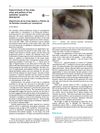
January 2015 in “Actas dermo-sifiliográficas/Actas dermo-sifiliográficas” Latanoprost eye drops caused excessive cheek hair growth and eyelash whitening in a woman.
 October 2023 in “Oriental Journal of Chemistry/Oriental journal of chemistry”
 This study focused on the rheology of almond oil at various temperatures and shear rates, using a Brookfield RVDV II I Ultra Rheometer, to evaluate its potential as a biodegradable lubricant.

In this case study, a patient developed a rash consistent with acute generalized exanthematous pustulosis after increasing the dose of semaglutide, suggesting that the reaction was likely due to the excipient propylene glycol, highlighting the importance of ingredient analysis and multidisciplinary collaboration for patient safety.
2 citations
,
December 1954 in “Experimental Biology and Medicine” This study found that fluid loss through rat skin increases with heightened skin activity and hair growth, while linoleic acid penetration during inactive conditions enhances water loss.
25 citations
,
May 2019 in “Cosmetics” This paper reviews the surface degradation of hair and describes how combining 18-MEA with specific surfactants can maintain hydrophobicity on bleached and weathered hair surfaces.
July 2023 in “Clinical Cosmetic and Investigational Dermatology” In this case report, a 64-year-old Thai woman with a history of misdiagnosed eczema or folliculitis was ultimately found to have granular parakeratosis of the eccrine ostium, leading to significant symptom improvement once accurately diagnosed and advised to avoid excessive heat and moisture.
 5 citations
,
September 2017 in “Colloids and surfaces. B, Biointerfaces”
5 citations
,
September 2017 in “Colloids and surfaces. B, Biointerfaces” This study found that treating hair with 1 M sodium hydroxide increases its self-friction coefficient, suggesting potential applications in forming fine frictional fibers for medical uses.
 April 2023 in “The journal of investigative dermatology/Journal of investigative dermatology”
 This study suggests that tissue transglutaminase (TG2) may play a role in sebum production by regulating autophagy in sebaceous glands, offering potential targets for dermatological interventions.
25 citations
,
November 1994 in “The Journal of Dermatologic Surgery and Oncology” In this study, acetone was not superior to other degreasers for enhancing the efficacy of trichloroacetic acid peels, and its higher flammability suggests using alternative degreasers to reduce workplace hazards.
 15 citations
,
March 2012 in “British journal of dermatology/British journal of dermatology, Supplement”
15 citations
,
March 2012 in “British journal of dermatology/British journal of dermatology, Supplement” This review discusses the role of shaving technology and specific skincare ingredients like glycerine and niacinamide in improving male facial skin health, but reports no new clinical results.
 6 citations
,
January 2000 in “Dermatology”
6 citations
,
January 2000 in “Dermatology” A girl's severely tangled hair couldn't be fixed and had to be cut due to a rare condition called plica neuropathica.
 2 citations
,
February 2022 in “BMJ”
2 citations
,
February 2022 in “BMJ” This summary reports that emollient use should be recorded in medical records for burn patients, with advice given on reducing fire risk associated with emollient residue on clothing.