 January 2024 in “Frontiers in plant science”
 The zinc finger protein 3 in Arabidopsis thaliana reduces plant growth and root hair development.
 April 2026 in “Communications Biology”
 In this study of Danioninae species, researchers reported that the presence of breeding tubercles on the pectoral fins is conserved in certain species and linked to local androgen conversion, with steroid 5-α-reductase playing a crucial role in their development.
 6 citations
,
June 2021 in “Developmental biology”
6 citations
,
June 2021 in “Developmental biology” This study found that dermal EZH2 plays a crucial role in controlling fibroblast differentiation by regulating Wnt/β-catenin and retinoic acid signaling during skin development.
 December 2024 in “Stem Cell Research & Therapy”
 This study found that OCT4-overexpressing human hair follicle mesenchymal stem cells show promise for artificial hematopoiesis by enhancing self-renewal through cytoskeletal remodeling and the beta-catenin-dependent adherens junction pathway.
 November 2020 in “bioRxiv (Cold Spring Harbor Laboratory)”
 The study found that dermal EZH2 plays a crucial role in coordinating dermal fibroblast differentiation and epidermal development by modulating Wnt/β-catenin and retinoic acid signaling.
 24 citations
,
July 2017 in “Structure”
24 citations
,
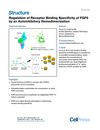
July 2017 in “Structure” In this study, researchers found that ligand homodimerization controls the receptor binding specificity of the FGF9 subfamily, preventing off-target activation of FGFR "b" isoforms.
21 citations
,
June 2016 in “PloS one” This study found that MYC and FGF pathways are crucial for hair cell regeneration in chick and zebrafish models, suggesting potential targets for promoting hair cell regeneration in mammals.
 September 2020 in “bioRxiv (Cold Spring Harbor Laboratory)”
 This study found that zebrafish and stickleback fish use similar genetic programs for tooth regeneration, despite differences in their dental structures.
 85 citations
,
October 2015 in “Proceedings of the National Academy of Sciences of the United States of America”
85 citations
,
October 2015 in “Proceedings of the National Academy of Sciences of the United States of America” This study found that NF-κB signaling may connect injury response to regenerative processes in zebrafish hearts, potentially aiding the development of cardiac regenerative therapies in humans.
20 citations
,
July 2005 in “Experimental dermatology” This study found that the fuzzy mutation in mice is linked to both structural hair defects and accelerated hair follicle cycling, influencing the regulation of hair cycle phases such as catagen and anagen.
 72 citations
,
November 2012 in “PloS one”
72 citations
,
November 2012 in “PloS one” This study found that dysregulation of the folliculin-p0071 interaction may lead to changes in cell adhesion and signaling, contributing to conditions like emphysema and renal cell carcinoma.
January 2018 in “OPen Access Repositorium der Universität Ulm (OPARU) (Ulm University)” This study found that zebrafish can completely regenerate their ventricular myocardium within four weeks, with Wnt/β-catenin signaling playing a critical role in cardiomyocyte dedifferentiation and proliferation.
47 citations
,
September 2012 in “Human molecular genetics online/Human molecular genetics” This study suggests that the interaction between folliculin and plakophilin-4 (p0071) may play a role in folliculin's tumor suppressor function by regulating RhoA signaling, impacting cell migration and junction formation.
April 2026 in “Journal of Investigative Dermatology” This study highlights that ZNF750, a zinc-finger transcription factor, is crucial for epidermal differentiation and barrier formation in skin by activating genes involved in lipid processing and stratum corneum development, and links ZNF750 sequence variations to skin inflammatory diseases like psoriasis.
 1 citations
,
January 2021 in “Journal of biological chemistry/The Journal of biological chemistry”
1 citations
,
January 2021 in “Journal of biological chemistry/The Journal of biological chemistry” This study found that loss of the folliculin protein delays transferrin receptor recycling, leading to iron deficiency and suggesting a role in the mechanisms of Birt-Hogg-Dubé syndrome.
 37 citations
,
January 2009 in “Sexual Development”
37 citations
,
January 2009 in “Sexual Development” This study found that chronic exposure to fadrozole or finasteride during frog development induced intersex individuals, which displayed different gene expression profiles depending on the chemical used.

In this study, researchers observed that during zebrafish fin regeneration, osteoblast Erk activity, influenced by Fgf receptor signaling, forms gradients scaling with amputation length, which predicts regenerative tissue growth and skeletal structure size.
 60 citations
,
November 2009 in “General and Comparative Endocrinology”
60 citations
,
November 2009 in “General and Comparative Endocrinology” The researchers reported that during early embryogenesis and larval development in Silurana tropicalis, inhibiting steroidogenic enzymes cyp19 and srd5beta affects genes related to thyroid and reproductive systems.
 119 citations
,
November 2014 in “Trends in Cell Biology”
119 citations
,
November 2014 in “Trends in Cell Biology” This review discusses the mechanisms and pathways of FGFR signalling and its roles in development, disorders, and therapeutic targeting, but reports no new clinical results.
 28 citations
,
July 2007 in “Development”
28 citations
,
July 2007 in “Development” In this study, inactivating the TAF4 subunit of transcription factor TFIID in mouse epidermis disrupted gene expression linked to skin and hair function, and increased tumor risk.
 93 citations
,
April 2003 in “Proceedings of the National Academy of Sciences of the United States of America”
93 citations
,
April 2003 in “Proceedings of the National Academy of Sciences of the United States of America” This study identified an unexpected critical role for the FATP4 protein in skin and hair development in mice, linking it to a potential candidate gene for restrictive dermopathy in humans.
49 citations
,
September 2016 in “Genes Brain & Behavior” In this study, a deficiency in the zinc finger protein Zfp462 in mice led to anxiety-like behaviors and excessive self-grooming, providing a new model for studying anxiety disorders.
 20 citations
,
January 2017 in “Scientific reports”
20 citations
,
January 2017 in “Scientific reports” This study found that cetaceans have adapted their fibroblast growth factors to assist in low bone density, hypoxia tolerance, and the development of rigid flippers, reflecting significant evolutionary changes for aquatic life.
1 citations
,
April 2017 in “Journal of Investigative Dermatology” ZNF750 and MPZL3 are important in causing seborrheic dermatitis.
In this study, researchers identified that the oncomodulin protein lineage, specifically the gene pvalb8, plays a crucial role in the development and function of auditory hair cells in zebrafish by promoting cell proliferation through the Wnt signaling pathway.
101 citations
,
November 2019 in “The Plant Cell” This study found that the zinc finger protein AtZP1 inhibits root hair initiation and elongation in Arabidopsis by suppressing key transcription factors involved in root hair development.
 8 citations
,
January 2017 in “Stem Cells International”
8 citations
,
January 2017 in “Stem Cells International” This study found that overexpression of sFRP4 in skin cells reduces Wnt signaling activation, leading to decreased melanocyte differentiation in regenerating hair follicles.
 43 citations
,
February 2013 in “Developmental dynamics”
43 citations
,
February 2013 in “Developmental dynamics” This study found that Eda and activin A regulate Foxi3 expression, which may contribute to the development of hypohidrotic ectodermal dysplasia by affecting Foxi3 activity in ectodermal appendages like hair and teeth.
1 citations
,
October 2019 in “International Journal of Dermatology and Venereology” This review discusses the role of zebrafish as a model for studying human hereditary pigmentary disorders and reports no new experimental results, emphasizing their genetic similarities and the genetic tools available.
19 citations
,
November 2012 in “Cell Communication and Signaling” This study found that Fibroblast growth factor-9 (FGF-9) accelerates epithelial invagination in engineered ectodermal organs and suggests its potential role in organogenesis and regeneration research.