 November 2024 in “PubMed”
 This study found that carboxytherapy significantly improved skin wrinkles, laxity, and pigmentation among 28 patients with skin aging on the abdomen, accompanied by increased epidermis and dermis thickness and no significant side effects.
 January 2024 in “GeroScience”
 This review explores how radiation-induced hair graying can be used as a model to study the mechanisms behind hair graying, focusing on cellular senescence and potential therapeutic targets to address age-related changes. Results are not provided.
 November 2023 in “Frontiers in cell and developmental biology”
 This source reviews mechanisms and existing treatments for hair aging, highlighting factors like oxidative stress and DNA repair defects that affect hair follicle and stem cell function, and discusses research limitations and future directions in the field.
 August 2023 in “International journal of medical science and clinical research studies”
 This review discusses platelet-rich plasma (PRP) therapy for pediatric surgical wound care, evaluating its potential as an adjunctive treatment, but reports no new clinical results.
 June 2023 in “Research Square (Research Square)”
 In this study, utilizing a mixture of crushed sky fruit seeds and sodium salt for goat skin preservation led to a significant reduction in environmental impact, decreasing total dissolved solids by 59% and chloride content by 44%, while maintaining the physical quality of processed leather.
 January 2020 in “Asian journal of applied science and technology”
 This source provides an overview of the dietary recommendations for macronutrient intake and the benefits of plant-based diets, including meeting essential amino acid needs through combining plant proteins and the advantages of consuming complex carbohydrates and adequate fiber for health.
 July 2019 in “Facial Plastic Surgery Clinics of North America”
 New techniques and technologies are improving facial plastic and reconstructive surgery.
Tailored nonsurgical cosmetic procedures are crucial for safely treating diverse skin types, especially skin of color.
 December 2017 in “Springer eBooks”
 Transplant patients often get skin problems, with treatments varying by condition.
 January 2017 in “Clinical approaches and procedures in cosmetic dermatology”
 This review explores the role of advanced glycation end products in skin aging and their interaction with oxidative stress, but reports no new clinical findings.
 April 2016 in “Journal of Investigative Dermatology”
 This symposium reviewed various topics in stem cell research related to skin biology, including mechanisms of skin regeneration, tumorigenesis, and pathways influencing melanoma stem cell behavior, but it reported no new clinical results.
 January 2016 in “Georg Thieme Verlag eBooks”
 The document recommends personalized, culturally sensitive treatments to rejuvenate the aging Asian face, focusing on natural results and specific techniques for skin, hair, and facial features.
 January 2008 in “Annals of Nutrition and Metabolism”
 This study suggests that a specific region upstream of the TGF-β1 gene may play a key role in androgenetic alopecia by regulating gene expression in a cell-specific manner.
 January 1999 in “American Journal of Medical Genetics Part A”
 This case report describes a rare occurrence of ectodermal dysplasia features in a 14-year-old with MBTPS1 gene variants, expanding the known spectrum of related disorders.

This study analyzed stable isotopes in animal fibers from Bronze and Iron Ages sites in Xinjiang, China, revealing that caprines and cattle primarily consumed C3 plants, while some Iron Age individuals showed unusual high C4 plant intake likely linked to millet foddering practices.
January 2026 in “Ethnobiology”  March 2024 in “Jordan Journal of Biological Sciences”
 This study reported that the Pamona indigenous community near Lake Poso, Indonesia, relies on 21 macrofungi species for diverse uses, including food and medicine, helping to address malnutrition and disease prevention.
27 citations
,
November 2015 in “American Journal of Primatology” This review discusses the use of stable isotope analysis in primate hair to study feeding behavior and reports no new results; the authors call for methodological refinement in field and lab procedures.
 2 citations
,
July 1996 in “Hair transplant forum international”
2 citations
,
July 1996 in “Hair transplant forum international” This article discusses ideal techniques for harvesting donor tissue in hair restoration surgery but reports no new clinical results.
 February 2024 in “Scientific Reports”
 The wolves suspected of man-eating in the 1880s likely ate very little human flesh and mostly consumed a diet similar to herbivores and omnivores.
 9 citations
,
January 2003 in “Organic Eprints (International Centre for Research in Organic Food Systems, and Research Institute of Organic Agriculture)”
9 citations
,
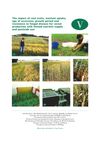
January 2003 in “Organic Eprints (International Centre for Research in Organic Food Systems, and Research Institute of Organic Agriculture)” This research observed that while organic farming systems in Southern Norway showed decreased phosphorus over time and variable nitrogen retention, the mulching of plant material could enhance vegetable yields, suggesting a need for innovative nutrient management strategies in organic farming.
34 citations
,
April 2023 in “Climacteric” This review discusses the long-term effects of gender affirming hormone therapy and reports no new clinical findings, recommending a shared decision-making approach to balance benefits and risks for transgender individuals.
9 citations
,
September 2022 in “Pharmaceutics” This study found that porcine-placenta-extract-loaded nanoformulated serum improved skin hydration and promoted hair growth, as well as reduced intracellular ROS and inflammation without cytotoxicity in human subjects.
 December 2023 in “Regenerative therapy”
 In this review, the authors reported that exosomal miRNA-based therapies showed promising therapeutic effects on nine skin diseases in animal models, with enhanced outcomes observed when using miRNA-overexpressing exosomes compared to natural ones; however, no comparisons to standard treatments were available.
21 citations
,
February 2003 in “Hormones and Behavior” This study found that testosterone combined with progesterone stimulated digging behavior in ovariectomized rabbits but also reduced food intake, an effect partially counteracted by progesterone.
September 1997 in “Bulletin of the history of medicine” This review discusses the potential for discovering new drugs in ancient and medieval European texts and reports no new clinical research, emphasizing the need for scientific exploration of historical medicinal knowledge.
2 citations
,
June 2024 in “Heliyon” This study identified 1965 different metabolites in various tissues of *Oresitrophe rupifraga* Bunge using a targeted metabolomics approach and found significant metabolic differences between its aboveground and underground parts, providing insights into the plant's unique growth traits and potential cultivation and utilization.
6 citations
,
April 1971 in “Journal of Wildlife Diseases” This study observed that captive flying squirrels with partial alopecia experienced complete hair regrowth after their diet was changed from sunflower seeds and peanuts to mouse chow over 11 months.
 August 2022 in “Italian Journal of Animal Science/Italian journal of animal science”
 This study found that supplementing Angora goats with whole field bean seeds postpartum did not prevent weight and body condition losses but was associated with improved mohair growth and kid weight gain, likely due to better nutrient partitioning towards lactation and hair growth.
 October 2023 in “Al-Kauniyah”
 In this study of gibbons at the Tegal Alur Animal Rescue Center, researchers found that while the feeding schedule met natural requirements, the gibbons' body weights were lower compared to their counterparts in the wild, and some exhibited hair loss and depigmentation.