5 citations
,
January 2019 in “Methods in molecular biology” In this study, researchers showed that multiphoton microscopy with fluorescent protein tagging enables single-cell imaging and tracking in live transgenic mice, offering new insights into cell dynamics in stem cell research compared to traditional histological methods.
January 2009 in “Heilongjiang xumu shouyi” This study found that BrdU labeling in Inner Mongolia cashmere goats revealed the presence and localization of stem cells in primary and secondary hair follicles and the epidermis, with signals diminishing after 10 weeks.
September 2026 in “medRxiv” This study found that a serum combining recombinant growth factors and plant-derived EVs significantly increased eyelash length and density without causing skin hyperpigmentation in healthy female participants over eight weeks.
3 citations
,
January 2021 in “Andrology” This study found that low androgen levels in rat penile endothelial cells were associated with a decrease in eNOS-expressing extracellular vesicles and reduced nitric oxide production.
 66 citations
,
April 1995 in “The journal of cell biology/The Journal of cell biology”
66 citations
,
April 1995 in “The journal of cell biology/The Journal of cell biology” In this study, researchers reported that a keratinocyte growth factor-Ig fusion protein could specifically detect and localize KGFRs in epithelial tissues, suggesting a method for histochemical detection of growth factor receptors.
 2 citations
,
March 2022 in “Portuguese Journal of Nephrology & Hypertension”
2 citations
,
March 2022 in “Portuguese Journal of Nephrology & Hypertension” This manuscript describes two case reports of preterm newborns with a rare homozygous mutation in the epidermal growth factor receptor, leading to severe health issues and early mortality despite supportive care.
 8 citations
,
August 2018 in “Drug testing and analysis”
8 citations
,
August 2018 in “Drug testing and analysis” This study observed that ethyl glucuronide (EtG) concentrations in hair decreased significantly during an abstinent period, suggesting possible wash-out effects or other factors affecting EtG levels.
 6 citations
,
May 2009 in “Cell transplantation”
6 citations
,
May 2009 in “Cell transplantation” This study found that EGCG improved the integrity of skin grafts during cryopreservation, suggesting its potential usefulness for skin preservation, though the exact mechanism remains unclear.
October 2014 in “Microscopy” This study found that using ionic liquid for specimen preparation allowed for observation of dermal papilla cells and their cilia in near-living conditions, reducing damage typically caused by conventional preparation methods.
 1 citations
,
February 2009 in “Journal of Investigative Dermatology”
1 citations
,
February 2009 in “Journal of Investigative Dermatology” This study found that VEGF-deficient keratinocytes can form tumors using different aneuploidy and signaling patterns, highlighting VEGF's role beyond angiogenesis in tumor cell growth and survival.
 14 citations
,
October 2015 in “PLoS ONE”
14 citations
,
October 2015 in “PLoS ONE” This study found that keratins 5, 7, 8, and 19 are expressed in human trophoblast cells while vimentin is solely expressed in stromal-mesenchymal cells, aiding in placental cell type identification.
June 2026 in “British Journal of Dermatology” In this case report, researchers observed a Slovakian neonate with a rare EGFR genetic mutation who presented with severe neonatal dermatoses, ichthyosis, and multisystem complications, emphasizing the significance of genetic diagnosis for such complex conditions.
 24 citations
,
September 2008 in “Clinical and experimental dermatology”
24 citations
,
September 2008 in “Clinical and experimental dermatology” Repigmentation in vitiligo may come from melanocyte stem cells in the skin.
9 citations
,
December 2018 in “Journal of Analytical Toxicology” This study found that exposure to artificial sunlight led to variable changes in ethyl glucuronide levels in hair, with both increases and decreases observed depending on hair characteristics.
 March 2018 in “Benha Journal of Applied Sciences”
 This study found that serum VEGF levels were lower in women with telogen effluvium compared to healthy controls, indicating a possible role of VEGF in the condition's pathogenesis.
 February 2026 in “Frontiers in Medicine”
 This study reported that trichoscopy can identify specific hair shaft abnormalities linked to increased serological activity, highlighting its use as a valuable non-invasive diagnostic tool in pediatric dermatology for neonates with ECS.
27 citations
,
February 2003 in “European Journal Of Oral Sciences” This study found that the SVpgC2a keratinocyte cell line, used as a model for dysplastic epithelium, showed increased apoptosis, proliferation, and aberrant keratin expression compared to normal keratinocytes from buccal mucosa.
10 citations
,
December 1990 in “Archives of Dermatological Research”  May 2026 in “International Journal of Drug Delivery Technology”
 This case study highlights Erythromelanosis follicularis faciei et colli as an easily overlooked pigmentary disorder characterized by a distinctive triad requiring precise diagnosis for effective patient counseling and cosmetic management.
20 citations
,
November 2003 in “American Journal Of Pathology” Fibroblasts from healthy donors can prevent changes seen in recessive epidermolysis bullosa simplex.
April 2023 in “Journal of Investigative Dermatology” EGFR helps protect hair follicles from bacterial infections.
1 citations
,
May 2019 in “International Journal of Applied Pharmaceutics” This study evaluated hair tonic and gel formulations containing Angiopteris evecta root water extract and found both fulfilled pharmaceutical preparation standards, with the 12.5% hair tonic and 10.0% gel concentrations most effective for hair growth without a significant difference in performance.
7 citations
,
June 2019 in “Coloration Technology” This research found that translucent keratin films absorbed more dye than opaque films, suggesting they may serve as better screening substrates for evaluating hair dye effectiveness.
This study observed that mesenchymal stem cell-conditioned medium accelerated burn wound healing in rats by enhancing epidermal growth factor presence, improving wound closure, collagen density, and re-epithelialization compared to the control.
19 citations
,
January 2012 in “Dermatology” This study describes three cases of acneiform eruptions from EGFR inhibitors that improved with topical recombinant human EGF, suggesting its potential as a treatment option for this side effect.
 April 2023 in “Journal of Investigative Dermatology”
 This study found that alopecia areata patients have higher odds of certain comorbidities like ulcerative colitis and vitiligo, while showing lower odds for conditions like hypertension and type 2 diabetes compared to healthy controls.
1 citations
,
October 2023 in “PROTOPLASMA”  August 2018 in “Journal of Investigative Dermatology”
 This study found that combining optical clearing methods with light-sheet fluorescence microscopy allows detailed 3D visualization of normal and pathological human skin biopsies, revealing differences in epidermal thickness and volume.
 14 citations
,
November 2009 in “Clinical and experimental dermatology”
14 citations
,
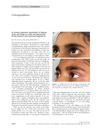
November 2009 in “Clinical and experimental dermatology” This article presents a case report of a child with coexisting alopecia areata and vitiligo showing improvement with topical prostaglandin E2 treatment, without reporting new clinical results.
 June 2023 in “Animal Bioscience”
 This study observed that vimentin and transthyretin proteins were more highly expressed in black sheep skins compared to white, suggesting their involvement in coat color formation.