2 citations
,
October 2019 in “Nanomedicine” This commentary discusses current challenges and future opportunities in pharmaceutical care for organ transplant recipients, focusing on immunosuppressive strategies, their complexities, and potential advancements like nanoimmunotherapy, but reports no new clinical results.
 1 citations
,
September 2023 in “Molecules (Basel. Online)”
1 citations
,
September 2023 in “Molecules (Basel. Online)” This source highlights that while plant sterols show potential benefits and applications in various industries, significant research gaps, including their complex structures and mechanisms, hinder their broader use, emphasizing the need for innovative sources and sustainable methods for their study.
 December 2023 in “American Journal of Animal and Veterinary Sciences”
 In this study, researchers examined the pancreas of immature Iraqi blackbuck, finding unique histological features, such as underdeveloped goblet cells and similar distribution of Langerhans islets across genders, which could enhance understanding of the species' pancreatic physiology and pathology.
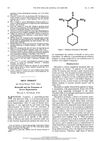 51 citations
,
October 1980 in “The New England Journal of Medicine”
51 citations
,
October 1980 in “The New England Journal of Medicine” Minoxidil lowers blood pressure effectively but may cause unwanted hair growth and other side effects.
 January 2019 in “Springer Reference Medizin”
 This article reviews the role of factor Xa inhibitors like Rivaroxaban and suggests they may eventually replace vitamin K antagonists, but their side effects require further clarification.
November 2021 in “International Journal of Trichology” This study found that androgenetic alopecia patients had significantly lower serum levels of paraoxonase 1, which correlated with disease severity and suggests a role of oxidative stress in its pathogenesis.
5 citations
,
May 2018 in “European journal of pharmacology” This study reviewed the pharmacological properties of fesoterodine and found that its ability to effectively treat overactive bladder, especially in the elderly, is likely due to its specific properties, including its receptor affinity, blood-brain barrier penetration, metabolic conversion, and extended-release formulation.
 July 2026 in “International Journal of Molecular Sciences”
 This review highlights how cyclodextrin-polysaccharide hybrids can advance drug delivery and environmental cleanup by improving the solubility and stability of hydrophobic molecules, serving as promising platforms for biomedical applications and efficient sorbents for wastewater treatment.
October 2024 in “International Journal of Pharmaceutics” This study aimed to develop a new transdermal patch for treating androgenetic alopecia using finasteride, combined with chemical permeation enhancers to improve drug delivery through the skin, but results of pharmacokinetics and pharmacodynamics evaluations are not reported.
 111 citations
,
August 2002 in “Journal of Medicinal Chemistry”
111 citations
,
August 2002 in “Journal of Medicinal Chemistry” This study reports that 2-(1-Adamantyl)-4H-thiochromen-4-on-6-O-sulfamate is the most potent steroid sulfatase inhibitor identified so far, exhibiting 170-fold higher activity than the lead compound estrone sulfamate.
109 citations
,
February 2018 in “CB/Current biology” This study concluded that the receptor-like kinase ERULUS, regulated by auxin, is crucial for modulating cell wall composition and pectin dynamics during root hair growth in Arabidopsis.
 107 citations
,
December 2003 in “Dermatologic Therapy”
107 citations
,
December 2003 in “Dermatologic Therapy” This paper reviews the use of interferons, particularly alfa interferon, in treating cutaneous T-cell lymphoma, noting its substantial efficacy both alone and in combination therapies with predictable, generally well-tolerated side effects.
 78 citations
,
June 2021 in “Dermatology and Therapy”
78 citations
,
June 2021 in “Dermatology and Therapy” This study highlights the evolving understanding of acne's pathophysiology and suggests that targeting pro-inflammatory cytokines such as IL-1β, IL-17, IL-23, and TNFα with biological antibodies may offer new treatment strategies for severe acne and its scars.
 39 citations
,
June 2017 in “Journal of Applied Research on Medicinal and Aromatic Plants”
39 citations
,
June 2017 in “Journal of Applied Research on Medicinal and Aromatic Plants” This review examines around 68 plant sources from six major plant families, assessing their scientific rationale and use by the cosmeceutical industry for applications like anti-ageing and sun protection.
35 citations
,
November 2021 in “Journal of nanobiotechnology” This study reported that thymol-loaded nanoparticles showed promise as an antibiotic-free treatment for acne by effectively targeting the infection without disrupting healthy skin microbiota.
22 citations
,
June 2021 in “Plants” This study found that a methanolic extract of Sterculia foetida seeds demonstrated significant thrombolytic, anti-arthritic, analgesic, and antipyretic activities, with moderate cytotoxic effects in vitro and in vivo.
 22 citations
,
January 2009 in “Medical mycology”
22 citations
,
January 2009 in “Medical mycology” In this case report, researchers identified Arthroderma vanbreuseghemii as the cause of a familial fungal infection, which was successfully treated with itraconazole and topical terbinafine cream.
19 citations
,
May 2020 in “American journal of men's health” This review discusses androgen therapy in adolescents, detailing current practices and noting the limited use of commercially available testosterone or dihydrotestosterone formulations; no new results are reported.
 16 citations
,
September 2020 in “British journal of dermatology/British journal of dermatology, Supplement”
16 citations
,
September 2020 in “British journal of dermatology/British journal of dermatology, Supplement” This review explores the role of neutrophil recruitment in the inflammation seen in hidradenitis suppurativa and emphasizes potential therapeutic targets within these pathways, but it reports no new clinical results.
15 citations
,
January 2023 in “Antioxidants” This review discusses oxidative stress in alopecia areata pathogenesis and potential treatment strategies, reporting no new clinical results but suggesting biomarkers for oxidative stress and discussing JAK inhibitors as promising options.
 14 citations
,
September 2014 in “Journal of Pediatric and Adolescent Gynecology”
14 citations
,
September 2014 in “Journal of Pediatric and Adolescent Gynecology” This study found that irregular menstrual cycles in Brazilian adolescents were significantly associated with a higher occurrence of metabolic syndrome and polycystic ovary syndrome indicators.
10 citations
,
June 2022 in “Frontiers in Immunology” This study found that sterile fucoidan promotes T cell proliferation but reduces differentiation at higher concentrations and suppresses osteogenic differentiation in co-cultured environments.
 6 citations
,
April 2021 in “Scientific Reports”
6 citations
,
April 2021 in “Scientific Reports” This study found that Phytochrome A is crucial for regulating central metabolism and the transition to mature seedling proteomes in tomato seedlings grown under far-red light.
2 citations
,
October 2023 in “Biology” This review highlights cobalt's essential role in vitamin B12 metabolism and its biomedical applications but also warns of health risks from high levels and environmental contamination, discussing remediation methods like phytoremediation.
1 citations
,
October 2025 This source describes wound healing as a complex biological process that requires precise regulation and coordination among various cells, cytokines, and signaling pathways to achieve tissue repair, although specific findings or results are not provided in the abstract.
1 citations
,
November 2011 in “British journal of pharmacology” This abstract provides a comprehensive overview of enzyme classification, function, and interaction with drugs, but does not present new research findings.
 1 citations
,
November 1983 in “The Lancet”
1 citations
,
November 1983 in “The Lancet” Acute leukemias with the Philadelphia chromosome may be biphenotypic, and identifying this is important for proper treatment.
 December 2025 in “Al-Iraqia Medical College Journal”
 This study explored the relationships between virus susceptibility to infection and several factors, finding that higher heat tolerance and larger virus size correlated positively with infection susceptibility, while high humidity and higher mutation rates correlated inversely among eight RNA viruses, including SARS-CoV-2 and influenza.
 September 2022 in “Research Square (Research Square)”
 This study found that caffeic acid treatment mitigated the negative effects of acrylamide toxicity in Wistar rats by normalizing tissue and serological indices.
November 2025 in “Journal of Cosmetic Dermatology” This study reported that young men with early-onset androgenetic alopecia have a higher prevalence of insulin resistance and metabolic syndrome compared to controls, suggesting that AGA may indicate underlying metabolic disturbances.