 21 citations
,
November 2017 in “Scientific Reports”
21 citations
,
November 2017 in “Scientific Reports” This study found that prostaglandin D2 reduced proliferation in bulge resident K15+ stem cells but not in other K15+ progenitor cells, suggesting differential impacts on hair follicle stem cell niches.
43 citations
,
September 2009 in “Stem Cells” This study reported that GFP labeling driven by the K15 promoter enables visualization and selection of stem cells in adult human scalp hair follicles for further analysis and manipulation.
April 2018 in “Plastic & Reconstructive Surgery Global Open” This study successfully isolated LGR6+ epithelial stem cells from rats and demonstrated their multipotency, suggesting potential for fracture healing research.
96 citations
,
September 1996 in “PubMed” This study demonstrated that murine monoclonal antibodies can reveal specific patterns of desmosomal cadherin expression, Dsc1 and Dsc3, in human tissues and cultured cells using immunofluorescence microscopy.
 40 citations
,
March 2017 in “The journal of investigative dermatology/Journal of investigative dermatology”
40 citations
,
March 2017 in “The journal of investigative dermatology/Journal of investigative dermatology” This study visualized mitochondrial metabolism in cultured bovine hair follicles and plucked human hairs, finding that ROS and mitochondrial polarization correlate in specific hair follicle regions, particularly near keratin deposition sites.
47 citations
,
April 2001 in “Journal of Dermatological Science” This study found that insulin-like growth factor-I and hepatocyte growth factor increased the chemotactic migration of human hair outer root sheath cells, suggesting these factors have both growth stimulatory and chemotactic effects.
7 citations
,
February 1982 in “Australian Journal of Biological Sciences” This study observed that cell aggregates formed rapidly in cultures of rat hair follicle cells, with proteins showing hair cortical keratin but not synthesizing it as anticipated.
 May 2015 in “Journal of Investigative Dermatology”
 In this study, Wnt-3a was found to play an important role in partially maintaining and expanding epithelial skin stem cells in vitro, suggesting potential for in vitro stem cell culture without feeder cells.
 551 citations
,
November 2013 in “Nature”
551 citations
,
November 2013 in “Nature” This study found that differentiated airway epithelial cells can revert into functional stem cells in vivo, suggesting a more general role for this dedifferentiation process in tissue regeneration in higher vertebrates.
1 citations
,
October 2022 in “Journal of Bioscience and Bioengineering” This study found that Y27632 treatment facilitated the formation of core-shell-shaped hair follicle organoids, resulting in nearly 100% efficient hair shaft sprouting in vitro.
16 citations
,
July 2008 in “BMC Genomics” This study shows that alpha 6 + /MHCI - cells have gene expression profiles similar to hair follicle stem cells, suggesting they may be enriched for stem cells.
July 2026 in “Journal of Investigative Dermatology” ABS-201 may effectively promote hair growth in men by targeting the prolactin receptor.
February 2026 in “Experimental Dermatology” In human hair follicle cultures, this study found that cyclohexyl salicylate, an OR2A4/7 agonist, promoted hair growth by delaying catagen development and expanding epithelial stem cell progeny, suggesting its potential as a non-drug hair loss treatment.
64 citations
,
January 2013 in “The journal of investigative dermatology/Journal of investigative dermatology” This study found that ectodermal precursor cells derived from human induced pluripotent stem cells may enhance hair follicle morphogenesis through improved epithelial-mesenchymal interactions when cocultured with dermal cells.

This study demonstrates that a novel autologous hair follicle-derived epithelial sheet can effectively repigment skin in patients with stable vitiligo, offering a potential new treatment option.
 4 citations
,
October 2017 in “Advances in tissue engineering & regenerative medicine”
4 citations
,
October 2017 in “Advances in tissue engineering & regenerative medicine” In this study, a bioengineered construct using a biodegradable polycaprolactone mat cocultured with human keratinocyte and rabbit dermal fibroblast cells demonstrated potential as a tissue-engineered skin substitute, showing good cell adhesion and growth.
561 citations
,
April 2003 in “Journal of Investigative Dermatology” CD34 is a marker for isolating stem-like cells in mouse hair follicles.
 15 citations
,
August 2013 in “Stem Cells and Development”
15 citations
,
August 2013 in “Stem Cells and Development” This study proposes a two-step method that may enhance the generation of stem-like epidermal cells with superior proliferation and differentiation potential for skin regeneration.
30 citations
,
September 2000 in “Journal of Dermatological Science” This study reports that the fatty acid composition in cell membranes of stratified squamous epithelium varies with keratinization patterns, showing a partial essential fatty acid-deficient state in cultured keratinocytes.
 79 citations
,
March 1999 in “The journal of investigative dermatology/Journal of investigative dermatology”
79 citations
,
March 1999 in “The journal of investigative dermatology/Journal of investigative dermatology” This study found that procyanidin oligomers, particularly dimers and trimers, significantly promoted hair growth in mice and hair epithelial cell cultures, suggesting potential use as hair growth agents.
 1 citations
,
April 2025 in “Scientific Reports”
1 citations
,
April 2025 in “Scientific Reports” This study developed a culture method to expand and differentiate primary mammary basal cells, identifying key transcription factors like EGR1 and ELF3 that influence Claudin expression and actin organization, offering insights into epithelial cell biology and potential applications in related research fields.
January 2010 in “Zhongguo xiandai yixue/Zhongguo xiandai yixue zazhi” This study found that epithelial stem cells from umbilical skin can differentiate into various cell types, suggesting potential roles in epidermis and hair cell formation.
 3 citations
,
February 2021 in “bioRxiv (Cold Spring Harbor Laboratory)”
3 citations
,
February 2021 in “bioRxiv (Cold Spring Harbor Laboratory)” This study found that exposing adult esophageal epithelial cells to skin stroma can induce them to transition toward a hair follicle identity, with HIF1a playing a crucial role in this conversion process.
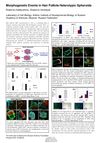
This study found that hyaluronic acid increased the size of hair follicle germ-like aggregates and the number of proliferative cells but did not maintain specific markers during the process.
 33 citations
,
January 1997 in “Endocrinology”
33 citations
,
January 1997 in “Endocrinology” Testosterone was found to inhibit hair follicle epithelial cell proliferation in adult stumptailed macaques only when dermal papilla cells from bald scalps were present, and this effect was reversed by the antiandrogen RU 58841.
 August 2023 in “Scientific reports”
 In this study, researchers differentiated human induced pluripotent stem cells into dermal papilla-like cells and observed gene expression dynamics during five stages of dermal differentiation, demonstrating the potential of these cells to interact with epidermal cells in functional assays.
 131 citations
,
July 2009 in “Experimental Dermatology”
131 citations
,
July 2009 in “Experimental Dermatology” This review discusses the development and advances in studying trichogenic dermal cells for hair follicle morphogenesis, summarizing methods, bioassays, and molecular markers, but reports no new research findings.
 42 citations
,
January 2017 in “Stem cells international”
42 citations
,
January 2017 in “Stem cells international” This study found that while extracellular matrix components like hyaluronic acid promoted larger organoid formation, other matrix components hindered hair follicle germ assembly in an in vitro model.
1 citations
,
October 2016 in “Molecular biology of the cell” This essay shares the scientific pursuits and leadership approaches of the author's lab but presents no new research findings.
32 citations
,
August 2006 in “Archives of Dermatological Research” This study found that dermal papilla and sheath cells can induce hair follicle formation in vitro and in vivo by interacting with hair follicle epithelial cells.