 35 citations
,
August 2004 in “Epilepsy & behavior”
35 citations
,
August 2004 in “Epilepsy & behavior” In this study, divalproex sodium extended-release was found to be more tolerable and preferred by patients compared to the delayed-release formulation, with improved seizure control and psychiatric symptom relief.
 June 2025 in “Universities Journal of Phytochemistry and Ayurvedic Heights”
 This study evaluated the wedelolactone content and antimicrobial activity of Eclipta alba and Wedelia chinensis extracts, finding a potential relationship between the concentration of wedelolactone and their in vitro antimicrobial effects against several pathogenic bacteria and yeast.
39 citations
,
November 1978 in “Annals of internal medicine” This brief report discusses spironolactone used as a treatment for hirsutism in a hyperandrogenic woman, offering no new clinical findings and focusing on its antiandrogenic properties.
 July 2026 in “Frontiers in Immunology”
 This review summarizes recent findings on the role of lactylation, a novel post-translational modification, in skin diseases, suggesting its potential as a therapeutic target by linking metabolism, epigenetic regulation, and inflammatory processes.
 November 1982 in “Inpharma”
 Spironolactone reduces hair growth in women with unexplained excessive hairiness.
February 2025 in “Canadian Journal of Health Technologies” This review assessed the clinical and cost-effectiveness of baricitinib, an oral treatment for severe alopecia areata in adults, to inform Canadian reimbursement recommendations, excluding Quebec.
 14 citations
,
December 1998 in “The Journal of Clinical Endocrinology and Metabolism”
14 citations
,
December 1998 in “The Journal of Clinical Endocrinology and Metabolism” This study found that MENT is 10 times more potent than testosterone in suppressing gonadotropins and contributing to anabolism in monkeys, with a potentially wider therapeutic index for human androgen replacement and male contraception.
 March 2026 in “Journal of Veterinary and Animal Sciences”
 This study found that pre-ruminant crossbred calves supplemented with sodium butyrate had significantly lower alopecia scores compared to those receiving a probiotic and emulsifier, though both groups experienced alopecia between the 2nd and 6th weeks.
 6 citations
,
October 2015 in “Clinical Case Reports”
6 citations
,
October 2015 in “Clinical Case Reports” This study highlights that scalp hair loss is an underreported side effect of somatostatin analogs therapy, potentially linked to decreased GH/IGF-1 levels or a direct drug effect.
 13 citations
,
May 2011 in “Bioorganic & Medicinal Chemistry”
13 citations
,
May 2011 in “Bioorganic & Medicinal Chemistry” This study identified certain benzopyran derivatives with a bulky tert-butyloxycarbonylamino group as effective KATP channel openers that inhibit insulin secretion in rat pancreatic islets.
This paper reviews the current evidence regarding the off-label use of spironolactone for acne management, noting that despite its long-standing application in acne treatment, it has not yet received FDA approval for this indication.
17 citations
,
January 2004 in “European journal of obstetrics, gynecology, and reproductive biology/European journal of obstetrics & gynecology and reproductive biology” This review discusses the use of ethinylestradiol combined with antiandrogenic progestin for treating androgenisation symptoms and improving metabolic and menstrual health in women, but it does not provide new clinical data.
 3 citations
,
March 2017 in “Regulatory toxicology and pharmacology”
3 citations
,
March 2017 in “Regulatory toxicology and pharmacology” In this study, aleglitazar and its metabolite M6 were evaluated for safety in non-clinical settings, revealing organ-targeting effects common to PPAR agonists but no significant tumor increase in rat carcinogenicity studies, supporting progression to Phase 3 clinical trials.
 7 citations
,
June 2010 in “Journal of The American Academy of Dermatology”
7 citations
,
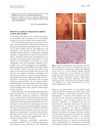
June 2010 in “Journal of The American Academy of Dermatology” This paper reports a single case of lichenoid cutaneous sarcoidosis that was unresponsive to standard treatments but showed marked improvement with the administration of oral tranilast.
61 citations
,
March 2006 in “Colloids and surfaces. B, Biointerfaces” In this study, lecithin/n-propanol/isopropyl myristate/water/tetracaine hydrochloride microemulsion was found to be a safe carrier for transdermal drug delivery in animal models, with analgesic effects on Wistar rats.
June 2026 in “Annals of Clinical Pathology” This review discusses how glucagon-like peptide-1 receptor agonists, used for type 2 diabetes and obesity, may cause skin aging and hair loss, and explores methylene blue as a potential protective treatment.
124 citations
,
September 1980 in “The Journal of clinical endocrinology and metabolism/Journal of clinical endocrinology & metabolism” This study found that spironolactone significantly reduced hair growth in hirsute women, with noticeable effects in 3-5 months, and decreased serum testosterone levels in all participants.
 June 2025 in “Mağallaẗ ʻulūm al-rāfidayn”
 In this study with diabetic rats, the researchers found that combining Amoxicillin/Clavulanate with metformin may enhance the glucose-lowering effects of metformin, without affecting cholesterol, triglycerides, or certain electrolytes.
November 2025 in “Clinical Endocrinology” This analysis reports no significant differences between spironolactone and metformin for managing PCOS, noting spironolactone remains a potential off-label option for patients unable to use hormonal contraceptives, but larger studies are necessary to confirm its efficacy.
12 citations
,
October 2022 in “Facial Plastic Surgery” This study found that polycaprolactone gel injections were significantly more effective than sodium hyaluronate gel in improving nasolabial fold severity for Chinese patients over 12 months, with similar rates of mild injection-related adverse events between the groups.
 11 citations
,
January 2000 in “The Journal of Steroid Biochemistry and Molecular Biology”
11 citations
,
January 2000 in “The Journal of Steroid Biochemistry and Molecular Biology” This study found that LY320236 is a competitive inhibitor of type I and a non-competitive inhibitor of type II steroid 5alpha-reductase, indicating its potential as a dual inhibitor with differing modes of activity.
8 citations
,
March 2022 in “International Journal of Endocrinology” This study found that combining low-dose spironolactone with metformin improved insulin resistance in PCOS patients more effectively than using either drug alone.
 20 citations
,
December 1997 in “Clinical Endocrinology”
20 citations
,
December 1997 in “Clinical Endocrinology” This article discusses the potential beneficial effect of spironolactone on androgenic alopecia but provides no new clinical findings.
9 citations
,
March 2023 in “GeroScience” 6 citations
,
March 2024 in “The Lancet Child & Adolescent Health” November 2024 in “International Journal of Scientific Reports” This meta-analysis found that while both Dienogest and GnRH analogues effectively managed endometriosis-related pain, Dienogest reduced recurrence rates and hot flushes but increased irregular bleeding, making it a safer option due to fewer side effects.
 November 2025 in “SKIN The Journal of Cutaneous Medicine”
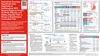
 This phase 3 trial found that over 50% of adolescents with severe alopecia areata achieved successful hair regrowth after 52 weeks on baricitinib 4-mg, with no new safety concerns reported compared to existing safety profiles.
June 2026 in “Frontiers in Nutrition” This study provides a narrative review suggesting GLP-1 receptor agonists could optimize metabolic health before conception in women with PCOS, but not necessarily improve fertility outcomes, emphasizing individualized use and the need for further research to confirm their reproductive benefits and safety.
14 citations
,
October 2015 in “Neurochemistry International” This study found that letrozole, an aromatase inhibitor, reduced the incidence and severity of PTZ-induced kindling seizures in mice, potentially due to its effects on 17β-estradiol and neurosteroid synthesis.
10 citations
,
November 2019 in “Journal of Traditional and Complementary Medicine” This study found that oral treatment with Chamaecyparis obtusa var. formosana leaf extracts improved glucose metabolism and reduced insulin resistance in hyperglycemic rats, suggesting potential as a diabetes health supplement.