 43 citations
,
August 2016 in “International Journal of Nanomedicine”
43 citations
,
August 2016 in “International Journal of Nanomedicine” This study found that a eupafolin nanoparticle delivery system improved water solubility and skin penetration, enhancing its antioxidant and anti-inflammatory effects against particulate matter-induced stress in skin cells.
April 2024 in “International Journal For Multidisciplinary Research” This review discusses the potential benefits of using natural permeation enhancers to improve transdermal drug penetration in formulations like emulgel, a promising topical delivery system for hydrophobic drugs.
 August 2019 in “Journal of Medical Histology”
 This review discusses the role of epithelial mesenchymal transition (EMT) in wound healing and tissue repair, highlighting its potential contributions to progenitor cell pools, but reports no new clinical findings.
 April 2016 in “Journal of Investigative Dermatology”
 This study found that increasing En1 expression in mouse epidermis can convert cutaneous appendages to eccrine sweat glands, suggesting a role for En1 in eccrine gland development.
198 citations
,
May 2021 in “Advanced Materials” This review discusses triboelectric nanogenerator (TENG) devices for body-integrated electrical stimulation therapy and suggests they may revolutionize personalized healthcare, but it reports no new clinical results.
1 citations
,
September 2025 in “Viruses” This study of HCPS survivors in Chile found that 61.9% reported incomplete recovery at 3-6 months post-symptom onset, with ECMO users experiencing more motor dysfunction and palpitations, highlighting the need for multidisciplinary care to address persistent symptoms.
44 citations
,
July 2020 in “Stem Cell Research & Therapy” This review discusses recent advancements in the study and application of epidermal stem cells for wound healing and tissue engineering, without presenting new experimental findings.
This study found that bursts of ERK activation in the epidermis of mice were linked to cell division, supporting synchronized cell proliferation and transient ERK activity in living tissues.
This study found that fibroblasts from Emery-Dreifuss muscular dystrophy patients with certain genetic mutations overexpress markers of fibrosis, and gene correction techniques reduced fibrogenic molecule expression in cell models, suggesting potential therapeutic applications.
 July 2016 in “Dermatologie pro praxi”
 This article discusses the use of Espumil foam base in pharmacies for preparing dermatological medications and reports no new clinical results.
 June 2023 in “International Journal for Research in Applied Science and Engineering Technology”
 This research highlights the potential of emulgel as an advanced topical drug delivery system, offering improved efficacy for hydrophobic medications in treating dermatological conditions and a range of ailments with its dual release control mechanism of gel and emulsion.
 77 citations
,
April 2004 in “Gene expression patterns”
77 citations
,
April 2004 in “Gene expression patterns” This study observed specific expression patterns of three zebrafish estrogen receptor genes during development, highlighting robust co-expression of esr2a and esr2b in primary neuromasts, branchial arches, and other tissues.
 March 2023 in “International journal of pharmaceutical sciences review and research”
 In this study, an Emulgel containing Tridax procumbens extract was formulated and found to have promising physical properties and antimicrobial activity for wound healing.
1 citations
,
January 2014 in “Assiut Veterinary Medical Journal/Maǧallaẗ Asyūṭ al-ṭibiyyaẗ al-baytariyyaẗ” This study in Aswan governorate reported that emaciated cattle showed decreased blood cell counts and serum minerals, as well as elevated liver enzymes, possibly associated with parasitic infections.
 32 citations
,
February 2016 in “The American journal of dermatopathology/American journal of dermatopathology”
32 citations
,
February 2016 in “The American journal of dermatopathology/American journal of dermatopathology” This study observed that in primary extramammary Paget disease, carcinoma commonly spreads to significant depths along hair follicles and eccrine ducts, with a maximal depth of 3.6 mm.
129 citations
,
July 2019 in “Stem Cell Research & Therapy” This review examines the role of epidermal stem cells in wound healing, discussing their characteristics and mechanisms, but does not report new clinical results.
 April 2023 in “Journal of Investigative Dermatology”
 This study demonstrated that the Epidermal Biopotential Sensing System (EBSS) can measure digital biomarkers of pain in mice, suggesting potential applications in assessing pain and screening analgesics in populations with communication difficulties.
 26 citations
,
March 2018 in “Dermatology and Therapy”
26 citations
,
March 2018 in “Dermatology and Therapy” This study found that conditioned media from epidermal progenitor cells improved skin aging signs in a clinical trial and protected fibroblasts from oxidative stress in vitro.
 May 2022 in “Research Square (Research Square)”
 This study found that the newly developed transdermal oil body microgel emulsion (OBEME) improved wound healing in mice by enhancing skin permeability, reducing inflammation, and promoting new blood vessel formation and re-epithelialization.
1 citations
,
May 2023 in “Elsevier eBooks” 8 citations
,
October 2021 in “Experimental cell research” This study found that macrophage-engineered extracellular vesicle mimetics may promote hair regrowth, presenting a potential alternative to extracellular vesicles for overcoming clinical production challenges.
3 citations
,
May 2013 in “International journal of molecular sciences” This review discusses the biological characteristics and potential of epidermal stem cells in orthopedic regenerative medicine but reports no new experimental findings.
9 citations
,
July 2022 in “Journal of Clinical Oncology” This study found that oral paclitaxel combined with encequidar improved tumor response rates compared to intravenous paclitaxel in women with metastatic breast cancer, while also reducing neuropathy but increasing certain gastrointestinal and neutropenic side effects.
 15 citations
,
September 2007 in “Cell & tissue research/Cell and tissue research”
15 citations
,
September 2007 in “Cell & tissue research/Cell and tissue research” This study suggests that human embryonic stem cells may improve skin graft quality and functionality by enabling the identification and amplification of early ectodermal progenitors, pending confirmation from preclinical studies.
 11 citations
,
January 1993 in “Dermatology”
11 citations
,
January 1993 in “Dermatology” In this study, researchers found histopathological similarities between L-tryptophan eosinophilic myalgia syndrome and idiopathic eosinophilic fasciitis, with certain unique inflammatory features present in the former.
This article discusses the role of epimorphin as a key morphoregulator for various epithelial cells in tubulogenesis and reports no experimental results on its signaling pathways.
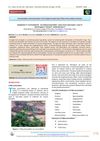 April 2023 in “International journal of pharmaceutical sciences review and research”
 This study concluded that an Emulgel formulation containing Tridax procumbens extract showed promising wound healing and antimicrobial activity, with improved physical properties in the F2 formulation.
 January 2015 in “Durham e-Theses (Durham University)”
 This study found that glucose starvation and hypoxia are physiological triggers of ER stress in in vitro differentiated adipocytes, rather than high concentrations of saturated fatty acids, cholesterol, or proinflammatory cytokines.
 2 citations
,
July 2005 in “International Joint Conference on Artificial Intelligence”
2 citations
,
July 2005 in “International Joint Conference on Artificial Intelligence” This study suggests that EREG, released from ORS cells, may promote hair growth by activating specific receptors and modulating ROS generation, offering a potential new treatment for hair loss.
October 2022 in “Zenodo (CERN European Organization for Nuclear Research)” This piece describes the EndoPump Male Enhancement supplement, which claims to enhance erections and libido, but notes that there is insufficient medical evidence supporting the efficacy of its ingredients for sexual health.